Air Force Adopts Flexible Officer Education Model
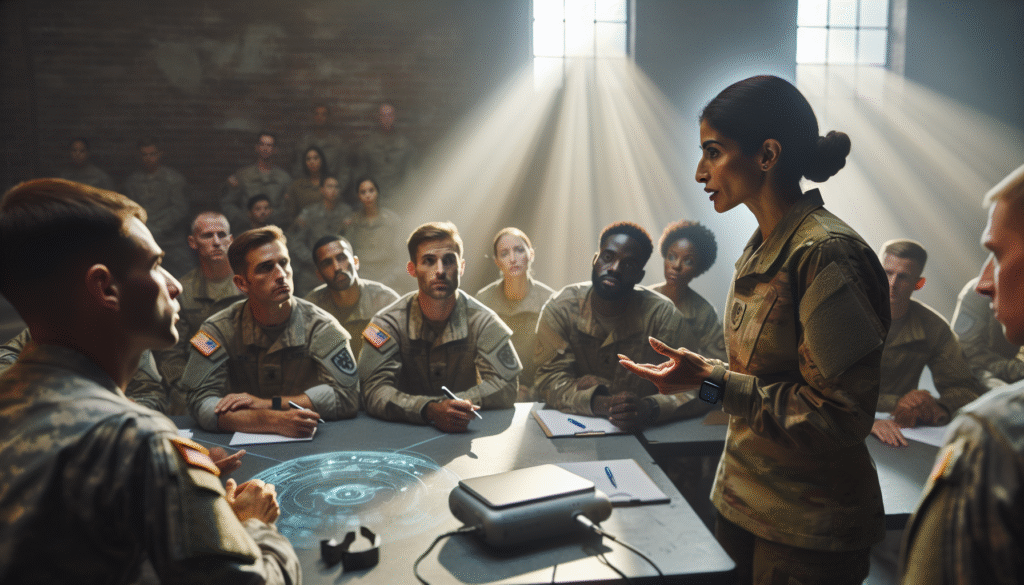
In a significant move aimed at bolstering career development and flexibility for its officer corps, the U.S. Air Force has revamped its policy on developmental education, according to a December 3 article titled “Air Force updates officer developmental education policy” published by Air Force Times. The revised framework represents a departure from a rigid, time-sensitive approach to a more tailored model that emphasizes long-term leadership potential and alignment with service needs.
Under the updated policy, the Air Force is shifting away from its long-standing focus on fixed timelines that dictated when officers must attend professional military education programs. In their place, the service is adopting a system that allows for more personalized career paths, enabling officers to pursue developmental education based on individual performance, uniqueness of career track, and the timing that best supports both personal development and mission readiness.
The change comes amid mounting concerns that the previous system unintentionally penalized high-performing officers whose career trajectories did not align perfectly with the rigid schedules for education and promotion milestones. In many cases, officers unable to attend in-residence schools at the “right” time risked falling behind their peers, regardless of their operational contributions or leadership abilities.
According to the Air Force Times article, the goal of the new approach is to prioritize quality over timing. Officers will now have increased opportunities to attend developmental education either in-residence or via distance learning without the pressure of meeting specific progression gates. This allows commanders and career managers to better match educational opportunities with the evolving needs of both the individual and the institution.
Lt. Gen. Caroline Miller, deputy chief of staff for manpower, personnel and services, emphasized that the evolution in policy is designed to foster a more agile and adaptive force. “We’re putting more trust in our officers and their leaders to shape their careers,” Miller told Air Force Times.
Some pilot testing of the new model has already shown promise, according to service officials, and the Air Force expects a full rollout in career fields across the active-duty component, with potential adaptations in the Air National Guard and Air Force Reserve.
The policy update aligns with broader Department of the Air Force efforts to modernize personnel management and talent development strategies to remain competitive in an increasingly complex global security environment. In particular, it reflects the service’s recognition that rigid, one-size-fits-all career templates may hinder long-term effectiveness in favor of short-term conformity.
While the new system may take time to refine and fully implement, it marks a notable cultural shift. By trusting officers and their supervisors to make more nuanced decisions about professional growth, the Air Force signals its intention to cultivate a workforce that is strategically minded, operationally flexible, and better equipped to meet the demands of future conflicts.