Primordial Wins General Dynamics Contract to Bring AI Decision Support Into Armored Vehicle Cockpits
General Dynamics Land Systems has selected Primordial to develop an AI-powered crew assistant for combat vehicles, aiming to cut cognitive load in battle.
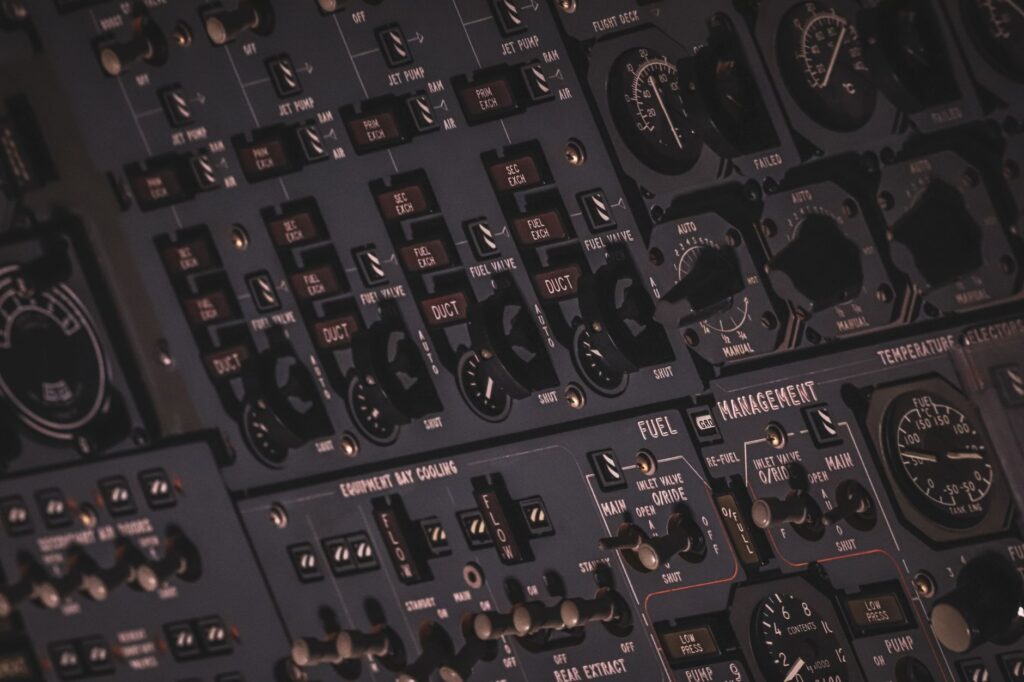
General Dynamics Land Systems has awarded a contract to artificial intelligence firm Primordial to develop an AI-powered assistant designed to help armored vehicle crews manage information and make faster decisions in combat, according to Breaking Defense. The partnership represents a concrete step toward embedding large-language-model-style AI directly into the operational environment of ground combat platforms, where crews routinely face sensor overload and compressed decision timelines. The effort sits alongside a broader Army push to modernize command-and-control at the tactical edge, including the NGC2 program that recently moved nine firms into prototyping.
Primordial, a defense-focused AI company, will build the assistant to interpret data from vehicle sensors, communications systems, and situational-awareness feeds, then surface relevant information to the crew in plain language. The goal, as reported by Breaking Defense, is reducing the cognitive burden on crews who must simultaneously operate the vehicle, monitor threats, and coordinate with other elements — tasks that have grown more complex as modern armored platforms have accumulated additional sensors and networked capabilities.

What the System Is Designed to Do
The AI assistant is intended to function as an onboard decision-support tool rather than an autonomous system, according to the Breaking Defense report. It would parse incoming data streams and present synthesized, prioritized information to crew members, helping them cut through the noise during high-tempo operations. Officials have not publicly confirmed specific technical specifications for the system, such as the underlying model architecture or the sensor inputs it will draw from at initial fielding.
The distinction between decision-support and autonomous action is significant for a program operating under Army doctrine, which generally requires a human in the loop for lethal decisions. By framing the tool as an assistant — one that informs rather than acts — General Dynamics and Primordial appear to be threading the needle between capability ambition and the institutional constraints that govern AI deployment in fielded military systems. How the interface presents information under the noise and vibration conditions of an active vehicle will be a key engineering challenge the program will need to address.
Industrial and Strategic Context
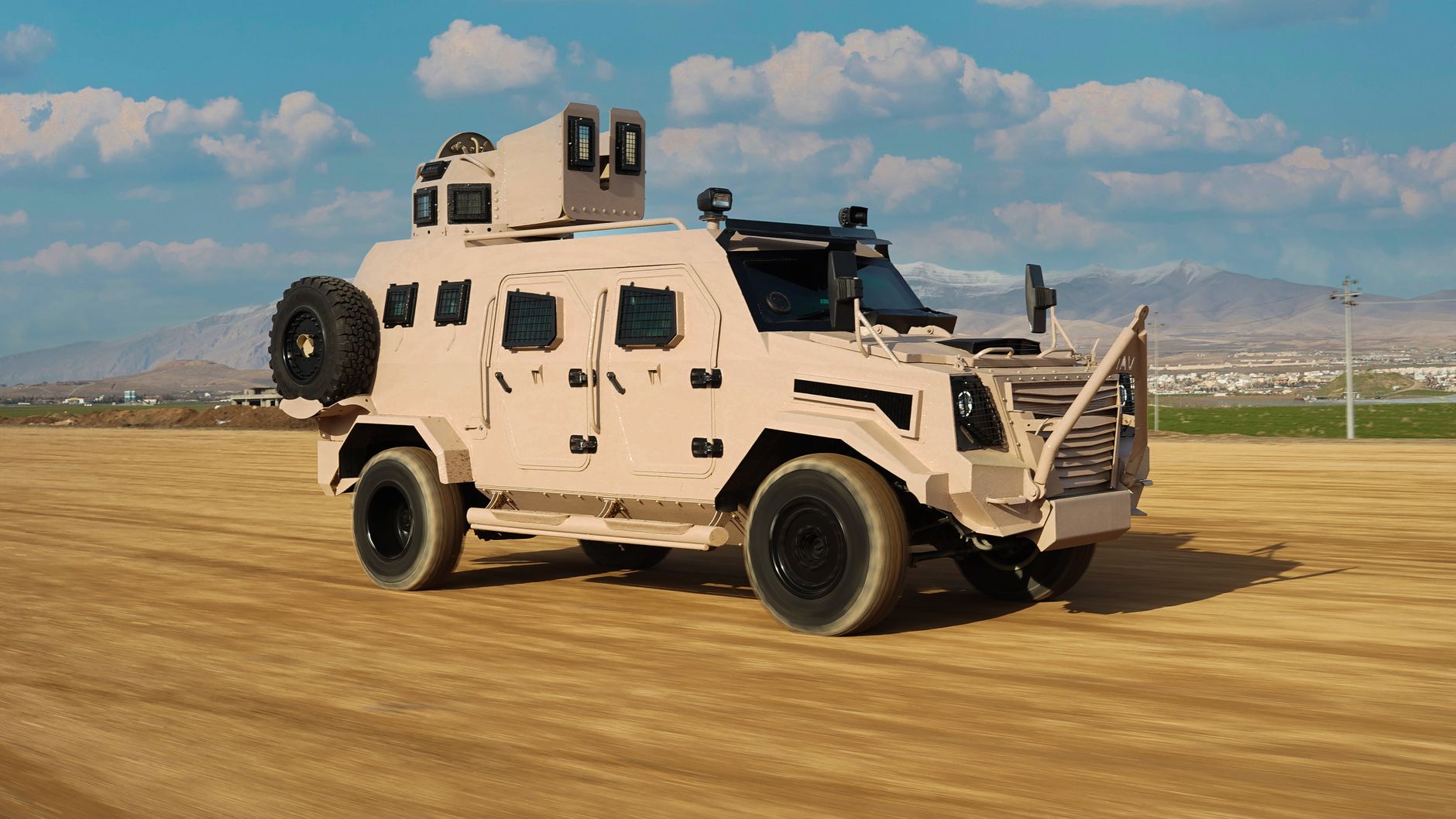
The contract reflects accelerating demand across the defense industry for AI tools that can operate at the platform level, not just in rear-echelon command posts. Ground vehicle crews have historically been among the last beneficiaries of digital modernization compared with aviators and naval operators, who have had advanced sensor-fusion and decision-aid tools for longer. Bringing a natural-language AI layer to armored vehicles could compress the gap between raw sensor data and actionable crew awareness in a way that legacy human-machine interfaces have not achieved.
The timing also tracks with lessons being absorbed from recent conflicts, where the volume and speed of battlefield information — drones, electronic warfare signatures, networked fires — have overwhelmed traditional crew workflows. Developments such as autonomous turret systems intercepting Russian drones in confirmed combat have underscored how rapidly AI-assisted platforms are moving from experimental to operational. General Dynamics has not disclosed a projected fielding timeline or which specific vehicle programs the Primordial assistant is intended to support, and the Army has not publicly confirmed a broader program of record tied to the effort.