Eighty-One U.S. Aircraft and Drones Lost or Damaged in Weeks of Combat With Iran
Task & Purpose tallied 81 U.S. fighters, helicopters, and drones lost or damaged since the outbreak of hostilities with Iran.
At least 81 U.S. military aircraft — including fighters, helicopters, and unmanned systems — have been lost or damaged since the outbreak of hostilities with Iran, according to a tally published by Task & Purpose. The count, detailed in a & Purpose report, represents one of the most significant accumulations of American aviation attrition in a short-duration conflict in recent memory, and underscores the operational costs of sustained high-intensity air operations in a contested environment. The scale of the losses spans crewed strike aircraft, rotary-wing platforms, and the unmanned systems that have become central to U.S. power projection — a mix that reflects how broadly the conflict has drawn on the American aerial order of battle. As the drone threat has grown across multiple theaters, the vulnerability of U.S. platforms to layered air defenses and counter-UAS systems has become an increasingly pressing concern for Pentagon planners.
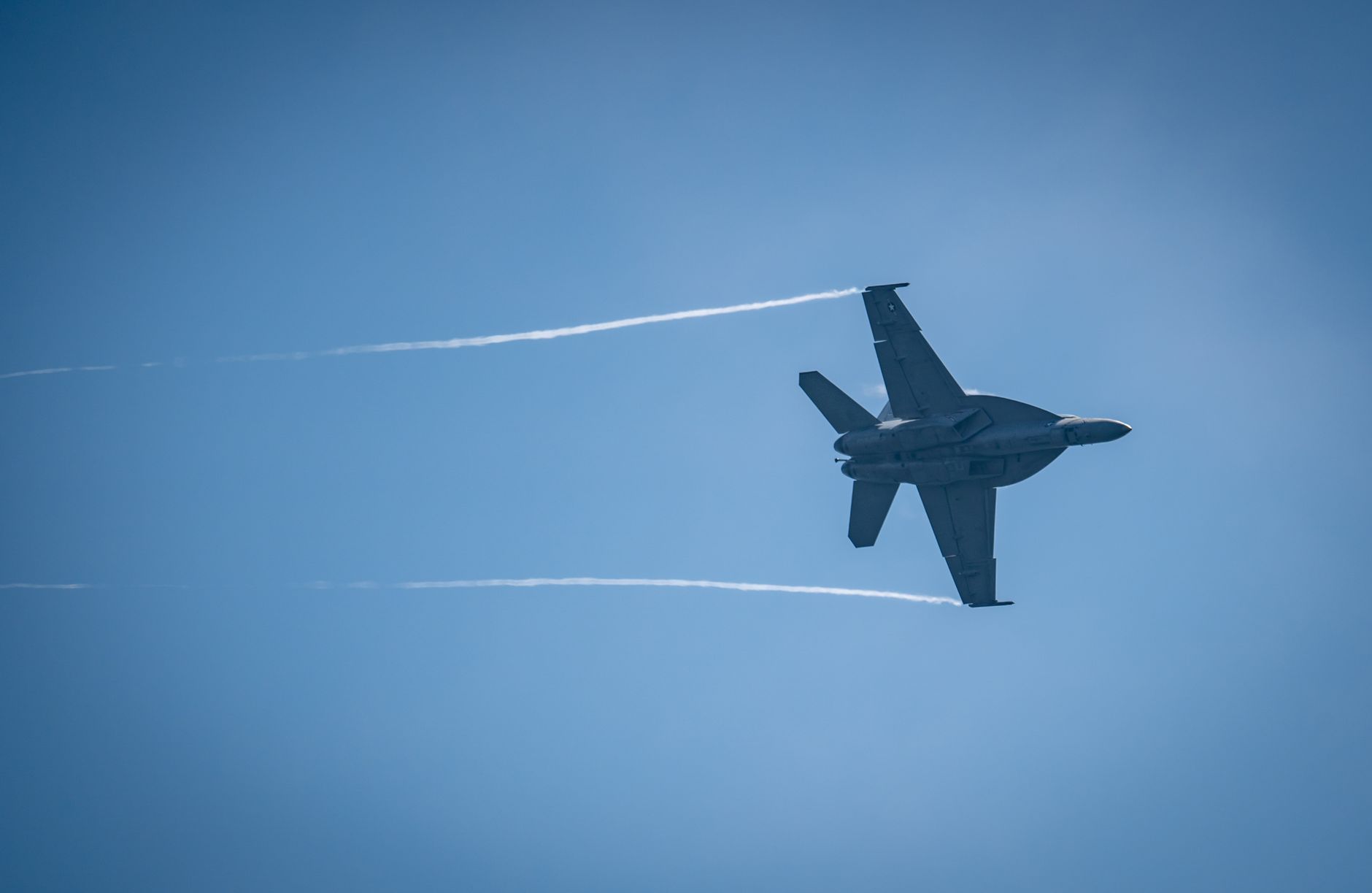
A Cross-Domain Toll Across Fighters, Rotorcraft, and UAS
The 81 platforms catalogued by Task & Purpose span multiple aircraft types and mission sets. The losses and damage incidents include fixed-wing combat aircraft, helicopters operating in support and assault roles, and drones that have been employed for reconnaissance, strike, and persistent surveillance. The report does not attribute all losses to a single cause, reflecting the layered and varied threat environment that Iranian and Iranian-aligned forces have brought to bear against U.S. assets across the region.
The inclusion of unmanned systems in the tally is particularly notable. Drones have proliferated across U.S. operational planning as low-cost, low-risk alternatives to crewed sorties, but their attrition in contested airspace reveals the limits of that calculus when an adversary fields capable air defenses. The breadth of platform types affected — from frontline tactical jets to support helicopters to UAS — suggests the conflict has imposed stress across the full spectrum of U.S. aviation assets, not merely at the high end of the capability ladder.
Strategic and Industrial Implications of Sustained Attrition
Eighty-one aircraft lost or damaged in a compressed operational timeline carries consequences that extend well beyond the immediate tactical balance. Replacing or repairing frontline platforms — particularly crewed fighters — demands industrial capacity and supply chains that were not configured for high-tempo attrition. The U.S. defense industrial base has faced persistent questions about its ability to surge production in a major contingency, and losses at this scale will sharpen those debates in Congress and at the Pentagon. Prior conflicts in the post-Cold War era rarely generated aircraft attrition at a pace that seriously strained the replacement pipeline; this conflict appears to be testing that assumption.
The operational picture also has direct implications for how the United States postures forces in adjacent theaters. Aircraft diverted to replace losses or pulled from forward deployments for repair reduce the availability of platforms elsewhere, creating cascading readiness effects across combatant commands. The report from Task & Purpose does not specify the current mission-capable status of damaged platforms or the timeline for their return to service, and Pentagon officials had not publicly confirmed a comprehensive accounting at the time of publication. What the tally does establish is that the air campaign against Iran has exacted a material cost on U.S. aviation forces that will demand serious attention from both military planners and the lawmakers who fund force modernization. Hypersonic programs and next-generation strike platforms may accelerate in priority as decision-makers weigh the attrition risks facing current-generation aircraft in high-threat environments.