Western Militaries Scramble for Interceptors as Russia Fields Faster, More Capable Drones
Russia’s evolving drone arsenal is outpacing Western defenses, forcing a rapid rethink of counter-UAS strategy and interceptor development.

Russia’s drone arsenal has grown significantly more capable since the early months of its war in Ukraine, with newer systems flying faster and proving harder to intercept than the Shahed-series loitering munitions that defined the opening phase of the air campaign. The evolution is forcing Western militaries and their defense industries to accelerate counter-unmanned aerial systems programs that, until recently, were still in early development stages. According to Business Insider reporting, the pace of Russian drone development has outrun the interceptor solutions Western nations had banked on deploying at scale. The broader counter-UAS challenge has intensified as a result, pressing commanders and procurement officials alike to find answers faster than acquisition timelines traditionally allow.
The shift is not simply one of speed or range. Russian engineers have iterated on drone designs with a regularity that analysts compare to software development cycles — compressing the time between a vulnerability being exposed on the battlefield and a corrected design reaching operational units. That adaptive loop has made it increasingly difficult for Western defenders to develop and field interceptors tuned to a fixed threat profile.
The Interceptor Gap and What Is Driving It
Western counter-drone programs have faced a structural mismatch: the cost and complexity of proven air defense interceptors make them economically unsustainable against cheap, mass-produced drones. Firing a missile worth tens or hundreds of thousands of dollars to destroy a drone costing a fraction of that has been a persistent operational and budgetary problem for Ukraine and its partners. Business Insider’s reporting underscores that the search for a cost-effective interceptor — one fast enough and agile enough to track newer Russian systems — remains unresolved across multiple allied nations.
Several Western companies and government programs are competing to fill that gap, pursuing solutions ranging from dedicated kinetic interceptor drones to directed-energy systems. None has yet reached the production scale or operational maturity needed to address the threat comprehensively. The urgency has grown as Russia fields drones with higher terminal velocities and, in some cases, more sophisticated navigation that reduces their susceptibility to electronic jamming — previously one of the primary defensive tools available to Ukrainian forces.
Pressure on Industry and Allied Policy
The operational pressure in Ukraine is reshaping procurement conversations across NATO. Allies that have supplied air defense systems to Kyiv are confronting inventory drawdowns while simultaneously working to develop next-generation counter-UAS capabilities for their own forces. That dual demand has strained defense industrial capacity and elevated drone defense as a top-tier modernization priority. autonomous gun turrets, which achieved a confirmed combat debut against Russian Lancet drones, illustrate the kind of unconventional, lower-cost intercept solutions that are attracting attention as stopgap measures.
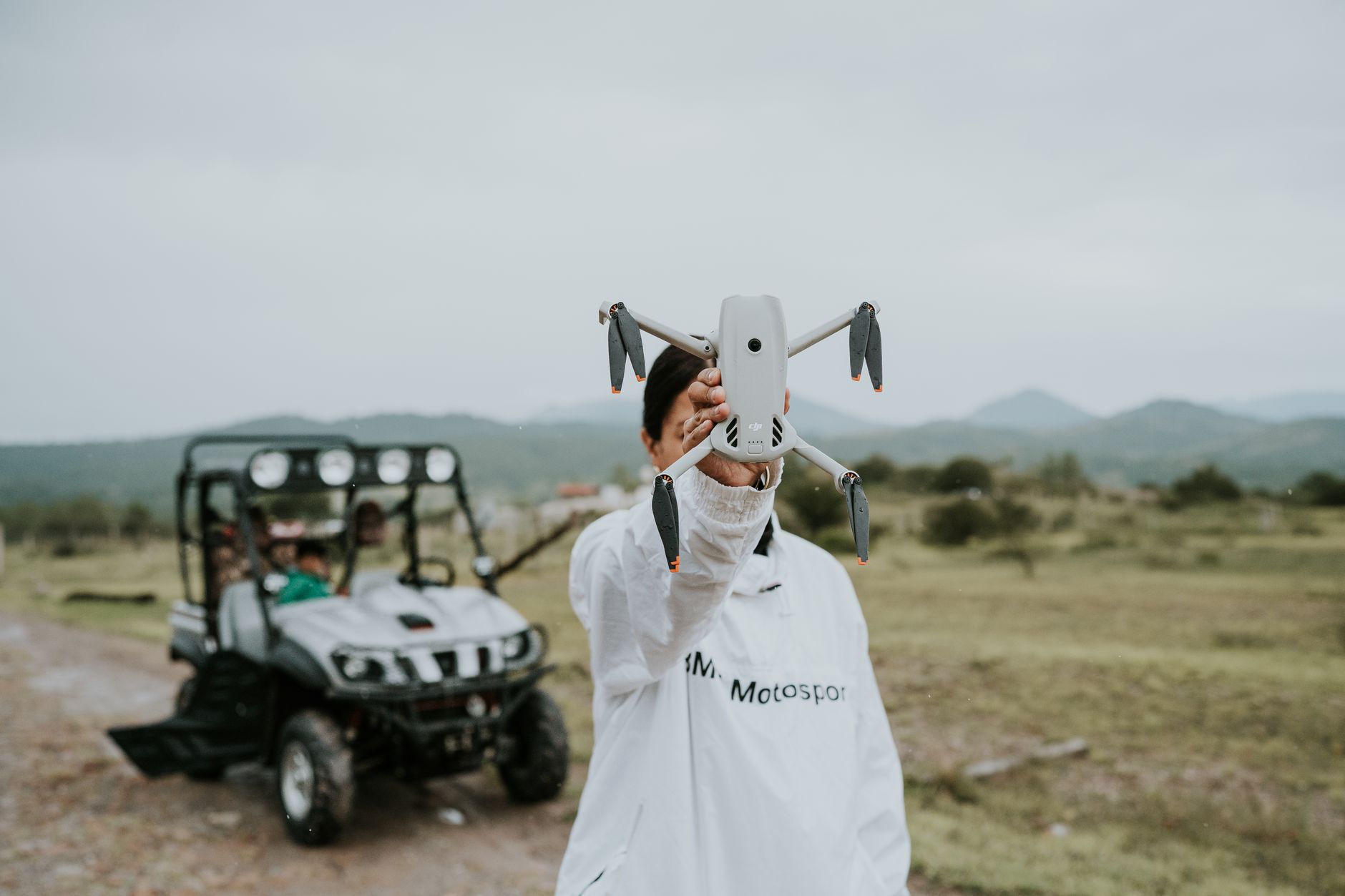
Officials have not confirmed a unified NATO standard or timeline for fielding a next-generation interceptor at scale, and the Business Insider report indicates that multiple competing approaches are still being evaluated rather than converging on a single solution. What is clear is that the strategic calculus has changed. Drone warfare — once treated as a supplementary capability — now sits at the center of contested airspace planning, and the gap between Russian iterative development and Western programmatic response times is the defining challenge Western defense establishments are working to close.