Jordan Puts Its Heavyweight Mi-26 Halo Transport on Display at SOFEX 2018
Jordan showcased its newly acquired Russian-built Mi-26 Halo heavy-lift helicopter at SOFEX 2018, signaling expanded airlift ambitions.
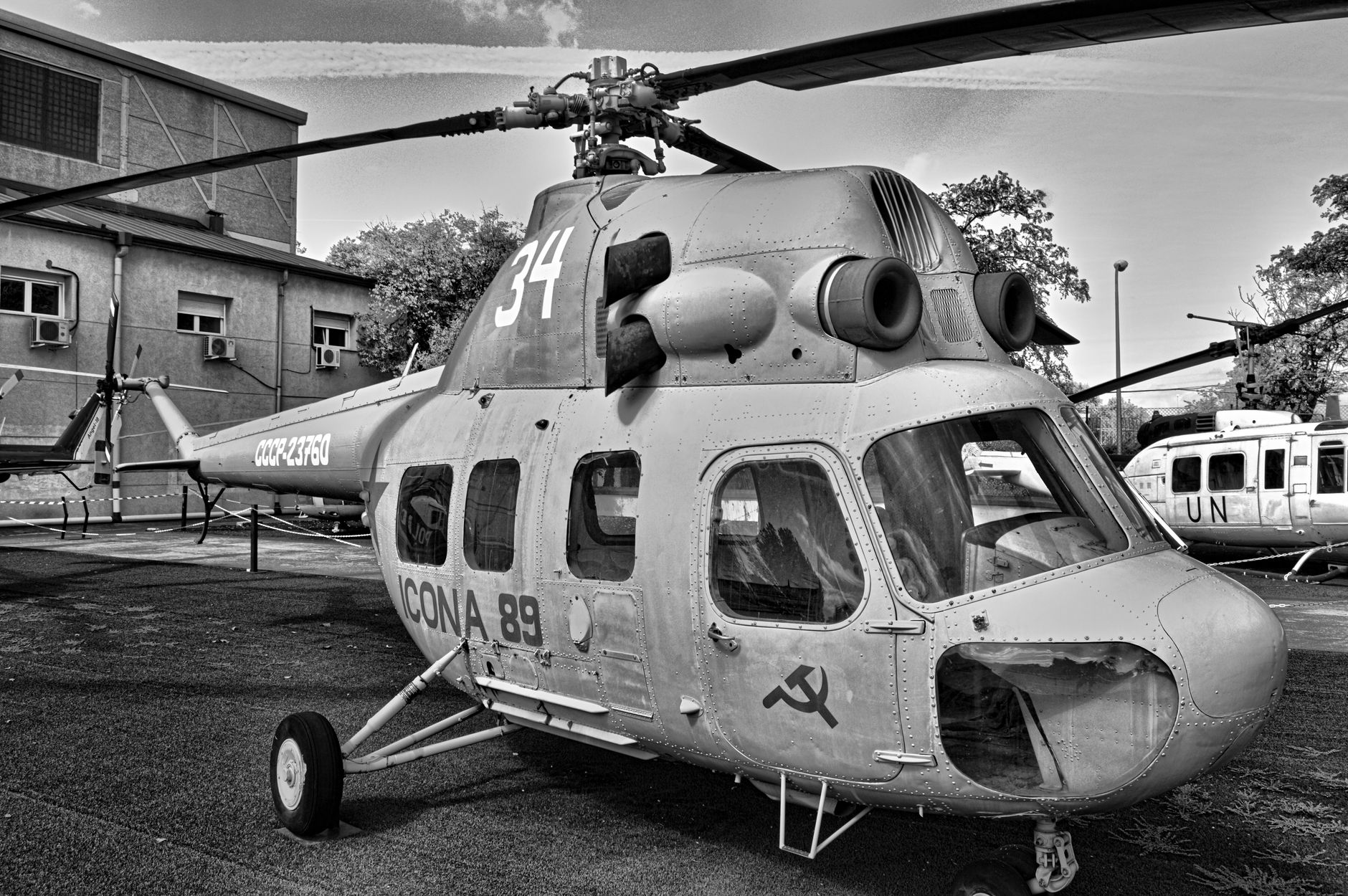
Jordan’s Royal Air Force drew considerable attention at the Special Operations Forces Exhibition and Conference (SOFEX) in Amman this month when it rolled out its newly acquired Mi-26 Halo, the largest production helicopter in the world, for a public debut on the tarmac of King Abdullah II Air Base. The display, Defense News reported from the show, marked the first time Jordan had publicly presented the Russian-built heavy-lift platform since acquiring it. For a country that has invested steadily in special-operations and expeditionary capabilities, the Halo signals a meaningful expansion in strategic airlift reach — a capability category that matters acutely across the wider Middle East. Readers following regional force-modernization trends may also find context in our coverage of Syrian air defenses and how neighboring states are recalibrating their military postures.
A Platform Built for Heavy Work
The Mi-26 Halo is a Soviet-designed, Russian-manufactured rotary-wing aircraft that occupies a category largely by itself. Its eight-blade main rotor spans roughly 32 meters, and the aircraft is capable of carrying payloads that rival those of fixed-wing tactical transports. According to the Defense News report on the SOFEX showcase, Jordan’s example was presented in a configuration that highlighted its cargo capacity — the type can transport outsized loads internally or slung externally, making it useful for moving armored vehicles, artillery pieces, or large quantities of humanitarian supplies across terrain where fixed-wing operations are impractical or impossible.
The Halo’s sheer scale drew crowds of show attendees and military delegations at SOFEX, where it stood apart visually from the lighter utility and attack helicopters that typically dominate regional air-show static displays. Jordanian air force personnel were on hand to brief visitors on the aircraft, though officials did not publicly detail the total number of airframes acquired or disclose the financial terms of the procurement, according to the Defense News account.
Strategic Rationale for Jordan’s Airlift Investment
Jordan’s decision to operate the Mi-26 reflects a pragmatic approach to capability building that the kingdom has pursued for years — acquiring platforms from multiple suppliers rather than relying on a single partner. The Halo complements a rotary-wing fleet that already includes Western-sourced types, giving Jordanian commanders a heavy-lift option for contingencies that exceed the payload limits of smaller helicopters. That flexibility is operationally relevant in a neighborhood where humanitarian crises, disaster-relief missions, and logistical demands across difficult terrain remain recurring requirements.
SOFEX itself, hosted biennially in Amman, has grown into one of the region’s principal forums for special-operations procurement and defense diplomacy, drawing delegations from dozens of countries. Jordan’s choice to unveil the Mi-26 there rather than at a conventional air show underscores how the kingdom frames the aircraft — not purely as a conventional military transport, but as a platform with direct utility to the kind of rapid, flexible operations that define modern special-operations and crisis-response missions. The acquisition also reinforces Jordan’s role as a regional logistical hub, a status the kingdom has cultivated through decades of participation in multinational exercises and humanitarian operations across the broader Middle East and Africa. Those looking for parallel examples of nations diversifying their aerospace inventories can find a related procurement perspective in our reporting on MQ-9 Reaper successors and the competitive dynamics shaping next-generation platforms.

Jordanian officials provided no timeline at SOFEX for when the Mi-26 would reach full operational status with the Royal Air Force, and the Defense News report noted that details on the aircraft’s maintenance arrangements and crew training program were not disclosed at the show. What was clear, however, is that Jordan has added a capability well beyond anything else in its rotary-wing inventory — one that neighboring militaries and partner nations will be watching closely as it moves toward operational service.