Daily Coffee Consumption May Extend Lifespan — If You Know How to Time and Dose It
Research suggests coffee can support longevity and performance, but timing, dose, and preparation method all determine whether it helps or harms.

Coffee is one of the most consumed beverages on the planet, yet most people treat it as a simple stimulant rather than a compound with measurable effects on long-term health. A detailed examination published by Business Insider makes the case that coffee, used correctly, functions as a meaningful tool for longevity and physical performance — provided the consumer understands how to work with, not against, its biological mechanisms. The piece, titled “Coffee is an underrated longevity hack. Here’s how to use it to optimize your health,” draws on health and nutrition research to outline specific, actionable guidance. For those tracking personnel readiness and long-term force health in a military context, the underlying science carries operational relevance as well.
The core argument is not that coffee is universally beneficial, but that its benefits are highly conditional. Preparation method, timing relative to sleep and meals, and individual caffeine metabolism all determine whether a given habit promotes health or undermines it. Most habitual coffee drinkers, the reporting suggests, are leaving significant benefit on the table — or actively working against the compound’s potential.
What the Research Says About Coffee and Long-Term Health
The Business Insider report highlights findings associating regular coffee consumption with reduced risk of several chronic conditions, including certain neurodegenerative diseases and cardiovascular conditions, though officials and researchers note that correlation in observational studies does not establish direct causation. Coffee contains hundreds of bioactive compounds beyond caffeine — including chlorogenic acids and other polyphenols — that may account for some of the observed associations with reduced inflammation and improved metabolic markers.
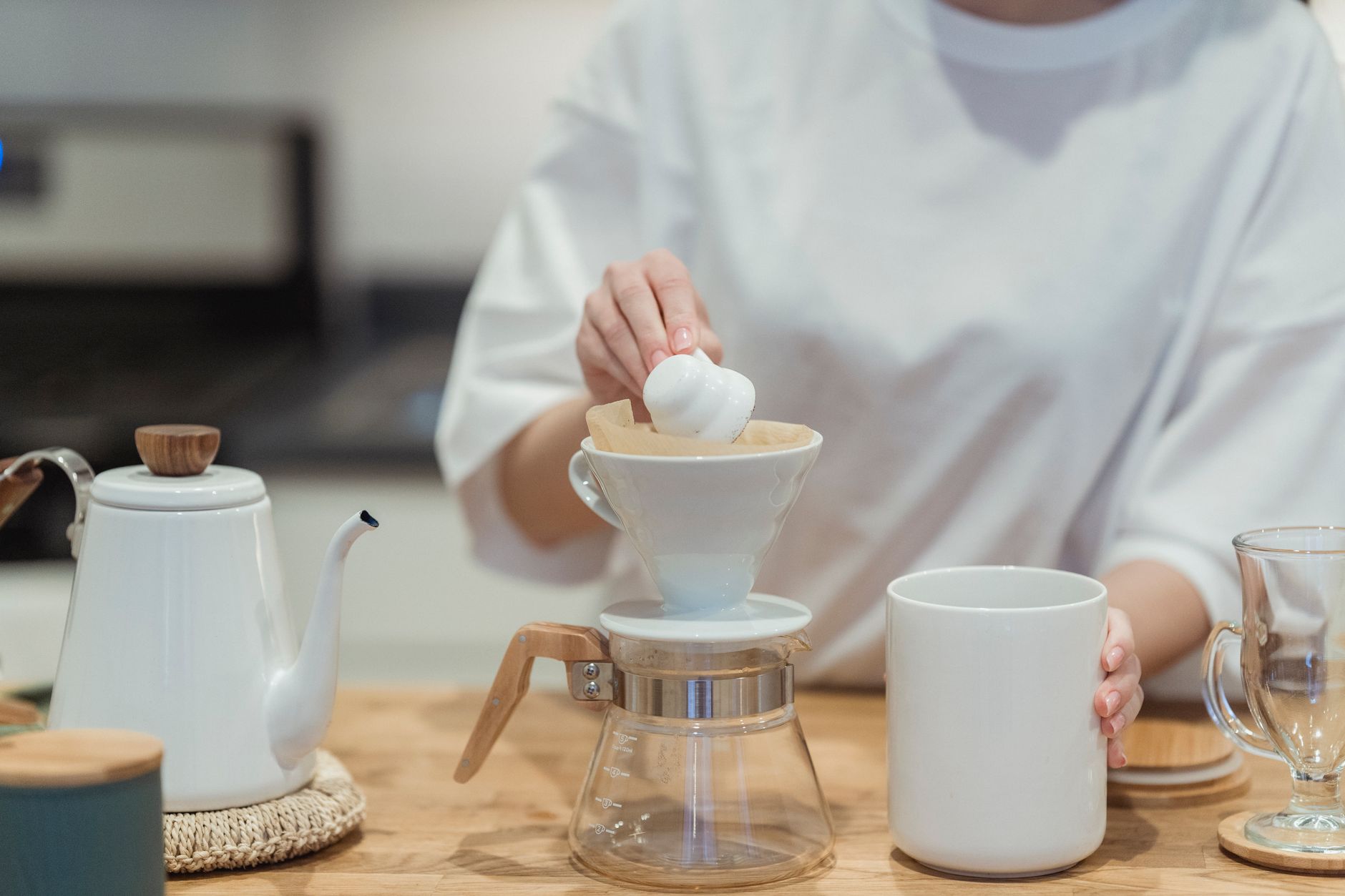
Filtered coffee, the report notes, is specifically recommended over unfiltered preparations such as French press or boiled coffee. Unfiltered methods allow diterpenes — compounds including cafestol and kahweol — to pass through into the cup. These substances are linked to elevated LDL cholesterol levels. Paper-filtered brewing largely removes them. The distinction matters particularly for individuals who consume multiple cups per day, since the cumulative exposure to those compounds scales with volume.
Timing and Dose — Where Most People Go Wrong
Caffeine’s interference with adenosine — the neurotransmitter that accumulates during waking hours and drives the sensation of fatigue — sits at the center of the timing debate. Consuming caffeine immediately upon waking, before adenosine has had time to build, produces a diminished stimulant effect and often results in a more pronounced energy crash later in the day. The report recommends delaying first caffeine intake by roughly 90 minutes to two hours after waking, allowing cortisol levels to normalize and adenosine to begin accumulating naturally before it is blocked.
On the upper end of consumption, the report points to research suggesting that moderate intake — in the range of two to four cups daily for most adults — appears associated with the most favorable health outcomes, with benefits tapering or reversing at higher doses. Critically, caffeine’s long half-life means afternoon and evening consumption can measurably disrupt sleep architecture even when the individual does not feel subjectively alert. The report recommends cutting off caffeine intake by early-to-mid afternoon to protect slow-wave and REM sleep, which are the phases most critical to physical recovery and cognitive consolidation.
Practical Application for Performance and Longevity
The convergence of longevity research and performance optimization is the piece’s central contribution. Caffeine consumed roughly 30 to 60 minutes before physical activity can improve endurance output and reduce perceived exertion, according to the underlying science referenced in the report. That window aligns with caffeine’s absorption curve and allows it to peak in the bloodstream during the activity rather than before it. The framing positions coffee not as a passive habit but as a substance with specific windows of optimal utility — a distinction with implications for anyone whose physical readiness is operationally consequential.
The Business Insider report stops short of prescribing universal dosing targets, acknowledging that genetic variation in the CYP1A2 enzyme means individuals metabolize caffeine at significantly different rates — a factor that makes personalized calibration more reliable than fixed recommendations. What the piece does establish clearly is that the difference between coffee as a health asset and coffee as a liability is largely a function of how, when, and in what form it is consumed. The underlying data, while drawn from observational and laboratory research rather than controlled longitudinal trials, offers a coherent framework for evidence-informed adjustment.