One of the Air Force’s Retired SR-71 Blackbirds Has Quietly Vanished From Its Display Site
An SR-71 Blackbird has disappeared from its retirement location, sparking speculation about whether the legendary spy plane could fly again.
An SR-71 Blackbird — one of the most storied reconnaissance aircraft in American military history — has gone missing from its long-standing retirement display, according to a Task Purpose report that first flagged the absence. The discovery has renewed longstanding speculation about whether any example of the legendary aircraft could be returned to airworthy condition, a question the U.S. Air Force has periodically confronted since the fleet’s final retirement in 1999. The disappearance of a static display aircraft is unusual enough to draw attention on its own, but the SR-71’s singular place in aerospace history — and the persistent mythology surrounding it — has amplified interest considerably.
The SR-71, developed by Lockheed’s Skunk Works division, flew higher and faster than any air-breathing aircraft before or since, operating at altitudes above 85,000 feet and at speeds exceeding Mach 3. Those performance figures made it effectively immune to interception throughout its operational life, a capability that remains relevant context as Air Force reconnaissance and penetrating-ISR requirements grow more demanding against peer adversaries fielding advanced air defenses. The aircraft was formally retired by the Air Force in 1990, briefly returned to service in 1995 at NASA’s request, and was stood down for good in 1999.
What the Display Record Shows
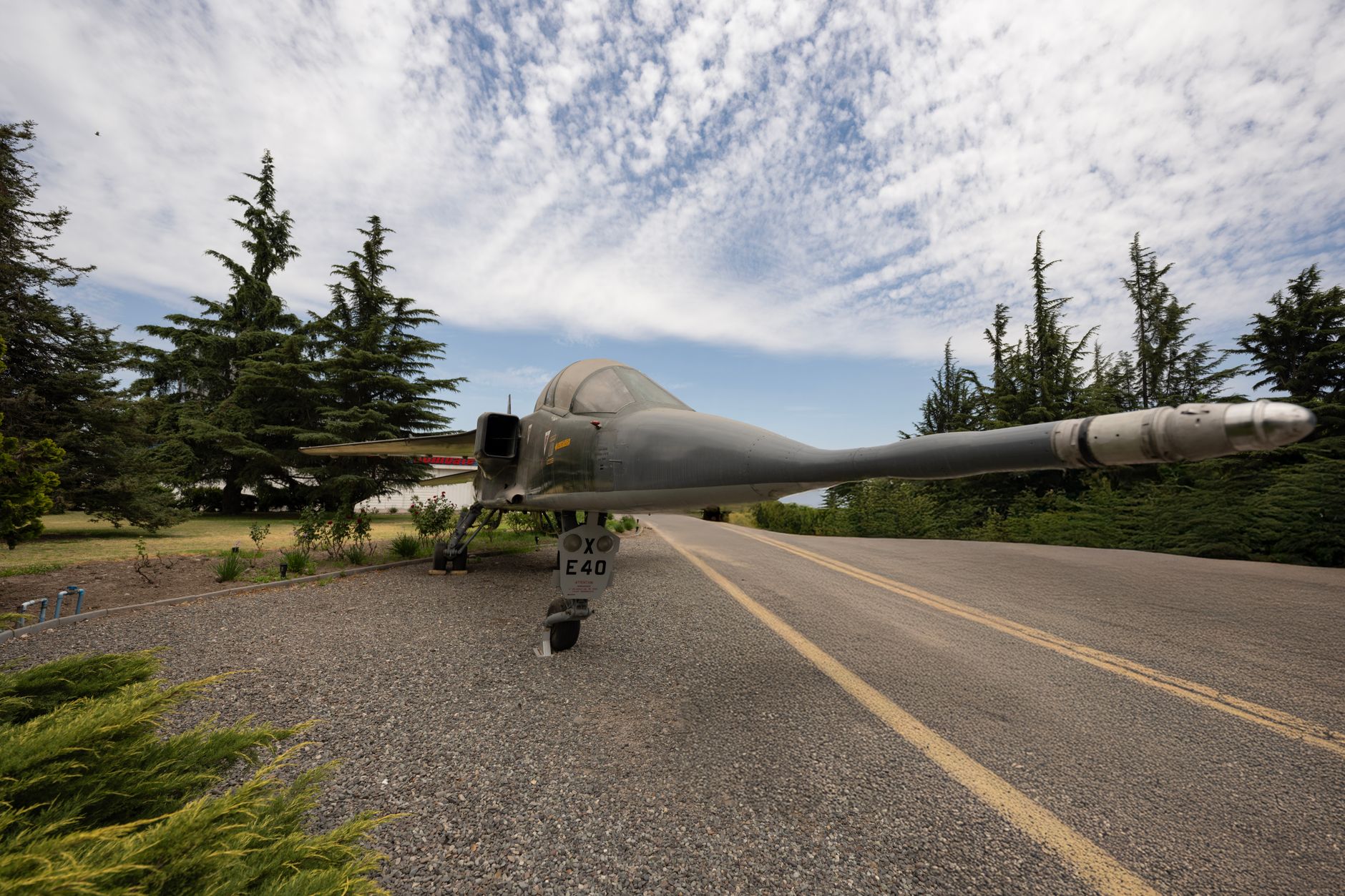
According to the Task and Purpose report, observers tracking the locations of surviving SR-71 airframes noted that one aircraft previously confirmed at a retirement site is no longer present at that location. The report does not identify which specific airframe is involved or confirm the precise site from which it has been removed. Officials have not publicly confirmed the aircraft’s current location or stated a reason for its relocation, leaving open a range of mundane explanations — restoration work, facility maintenance, or a transfer to another museum or institution — alongside more speculative ones.
A small number of SR-71 airframes survive in various states of preservation across the United States, held by institutions including the Smithsonian’s National Air and Space Museum and the Air Force Flight Test Museum at Edwards Air Force Base, among others. The disposition of each airframe is generally a matter of public record, which is part of why the absence of a previously documented aircraft registered quickly among aviation observers. Whether the removal reflects routine institutional logistics or something more consequential has not been established by the available sourcing.
The Question of a Return to Flight
The idea of returning an SR-71 to operational or even flight-demonstration status is not new, and it has never been simple. The aircraft’s propulsion system — twin Pratt and Whitney J58 engines — required specialized fuels and support infrastructure that the Air Force dismantled after the 1999 retirement. Airframe restoration to airworthy condition for a platform of this complexity would represent a substantial engineering and logistical undertaking, and no official program to do so has been publicly announced. Congress did at one point appropriate funds in the 1990s to retain two airframes in a flyable state before that effort, too, was eventually wound down.

The SR-71’s disappearance from its display spot arrives at a moment when the Air Force is investing heavily in next-generation ISR and electronic warfare platforms intended to operate in contested environments against adversaries like China and Russia. Whether the missing Blackbird is connected to any operational ambition or simply reflects a transfer between institutions, the Air Force has offered no clarification as of the time of the Task and Purpose report. Until officials address the aircraft’s location publicly, the gap in the display record is likely to sustain the speculation it has already generated.