U.S. Army to Extend Tour Lengths at Korea Posts, Ending Years of Short Rotations
The U.S. Army plans to extend assignment lengths for troops stationed in South Korea, a shift aimed at boosting readiness and unit cohesion.
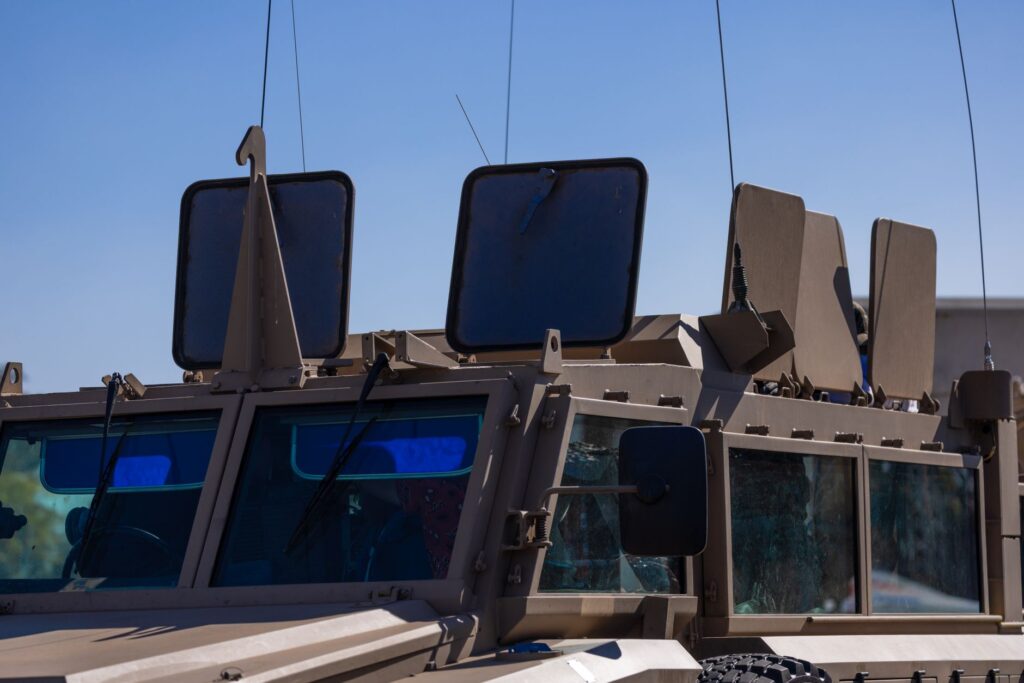
The U.S. Army is moving to lengthen the standard assignment periods for soldiers sent to South Korea, a policy shift that officials say will improve operational readiness, deepen unit cohesion, and reduce the turbulence caused by high personnel turnover on the peninsula. The change, reported by Military Times, marks a meaningful departure from the short, often unaccompanied tours that have long defined the Korea assignment for most enlisted soldiers and officers. The decision comes as the United States continues to weigh its forward posture across the Indo-Pacific in response to China’s expanding regional military footprint and persistent threats from North Korea.
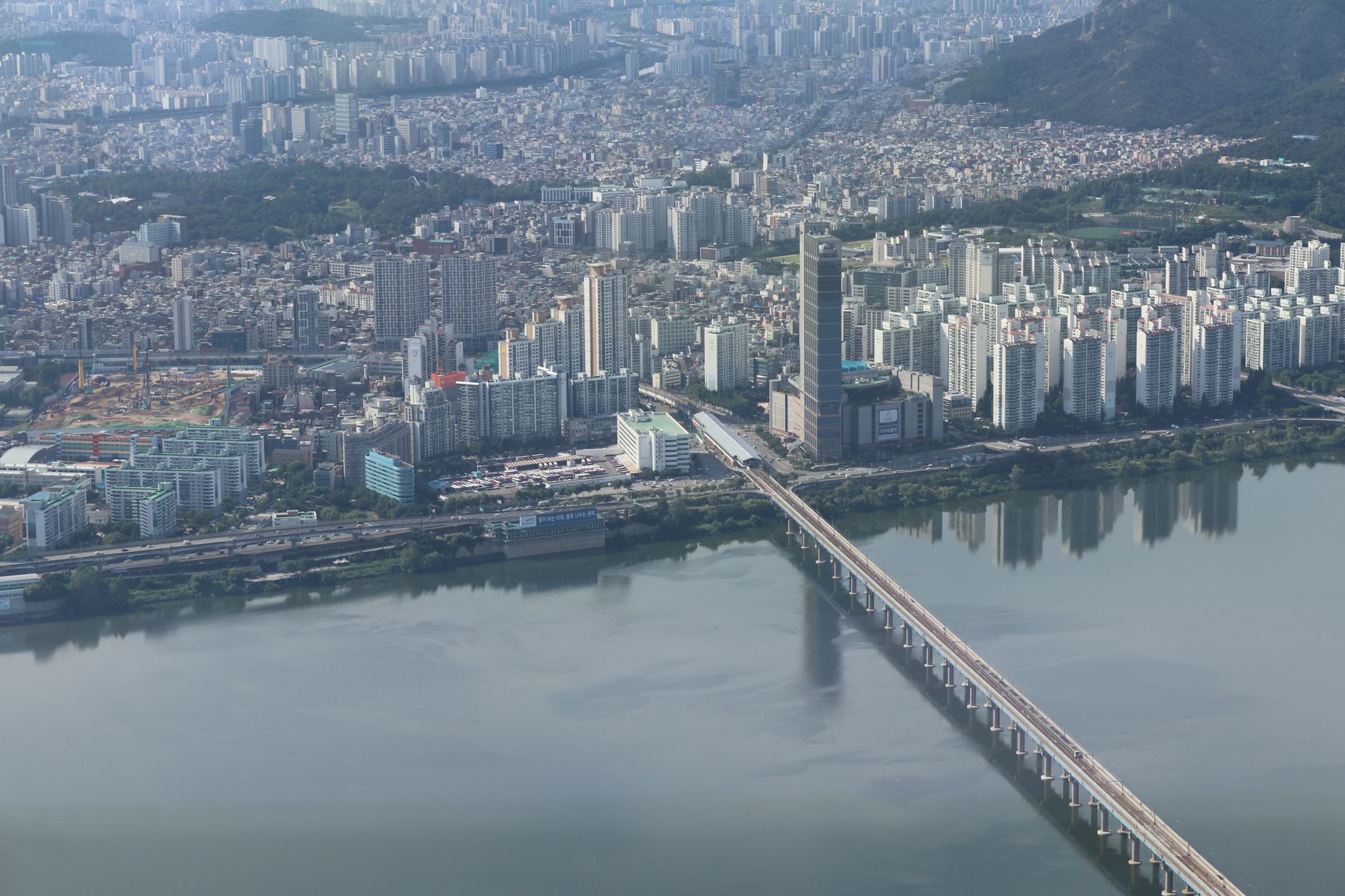
Under the current structure, many soldiers serve one-year unaccompanied tours at installations across South Korea, including major facilities tied to U.S. Forces Korea. The planned extension would push those assignments longer, though officials have not publicly confirmed the exact new tour length or the precise implementation timeline, according to Military Times. The Army has framed the change as part of a broader effort to treat Korea assignments more like conventional accompanied tours, where families can join service members and soldiers can build deeper familiarity with the operational environment.
Readiness and Retention at the Core
The recurring cycle of one-year rotations has long drawn criticism from commanders who argue it degrades unit effectiveness. When soldiers leave just as they have gained fluency in local terrain, allied procedures, and theater-specific threat sets, the unit absorbs the cost of that lost experience. Longer tours would allow the Army to retain institutional knowledge within formations and build stronger working relationships with Republic of Korea Army counterparts who operate alongside U.S. forces on a day-to-day basis.
The personnel policy shift also carries quality-of-life implications. Unaccompanied tours place sustained strain on military families, and the Army has signaled that making Korea a more conventional accompanied-tour destination could improve soldier satisfaction and retention. Extending assignments could make the Korea posting more comparable to duty stations in Germany or Japan, where longer accompanied tours are the norm. Officials have not confirmed whether accompanying-family infrastructure at Korea installations would be expanded to accommodate an expected increase in families living on or near post.
Strategic Context on the Peninsula
South Korea hosts roughly 28,500 U.S. troops under the long-standing mutual defense framework between Washington and Seoul, making it one of the largest and most operationally significant forward deployments in the Indo-Pacific. The peninsula remains a high-priority theater given North Korea’s continued development of ballistic missiles and nuclear capabilities. Enhancing the depth and continuity of U.S. forces stationed there carries direct implications for deterrence credibility — a factor that defense planners weigh alongside hardware and basing when assessing alliance strength.
The timing of the announcement also intersects with broader U.S. military repositioning across Asia. As the carrier fleet maintains a distributed posture across multiple theaters, ground-force continuity at permanent installations like those in Korea becomes a stabilizing element in the overall deterrence architecture. Longer tours would give theater commanders a more experienced, better-integrated force at a moment when North Korean provocations and cross-strait tensions continue to shape the region’s security calculus. The Army has not yet issued formal guidance on an implementation date, and additional details are expected as the service finalizes the policy.