A Training Flight Ends in Wreckage, Taking With It One of Russia’s Aging Nuclear Bombers
Russia lost a Tu-95 nuclear-capable bomber in a training crash, a blow to a fleet with no modern replacement in production.
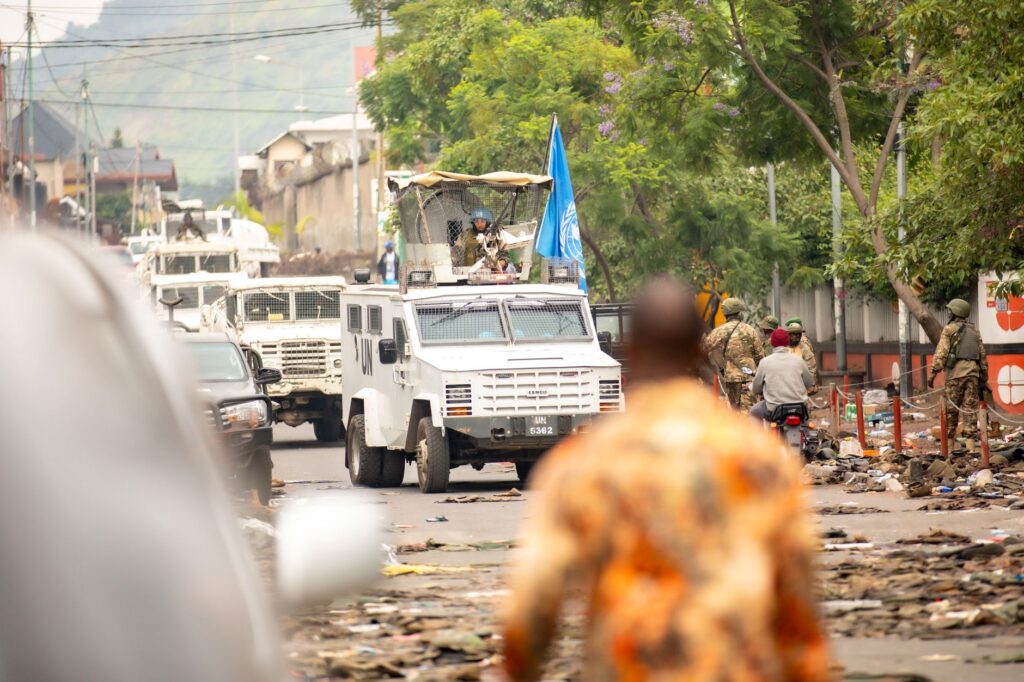
Russia has lost a Tu-95 Bear strategic bomber in a training accident, according to Business Insider, dealing a concrete and difficult-to-reverse blow to the country’s long-range nuclear aviation force. The crash, which resulted in crew fatalities, destroyed an aircraft that Russian defense industry cannot quickly or cheaply replace. The incident underscores a persistent vulnerability in Moscow’s strategic triad: its bomber leg rests on a platform first flown in the 1950s, with no next-generation successor entering serial production.
The loss arrives at a moment when Russia’s military is already under sustained pressure across multiple domains. As GDD has tracked, adversary military readiness assessments increasingly account for attrition not just of personnel and armor but of irreplaceable strategic assets — exactly the category the Tu-95 occupies.
An Aircraft the Soviet Union Built and Russia Cannot Rebuild
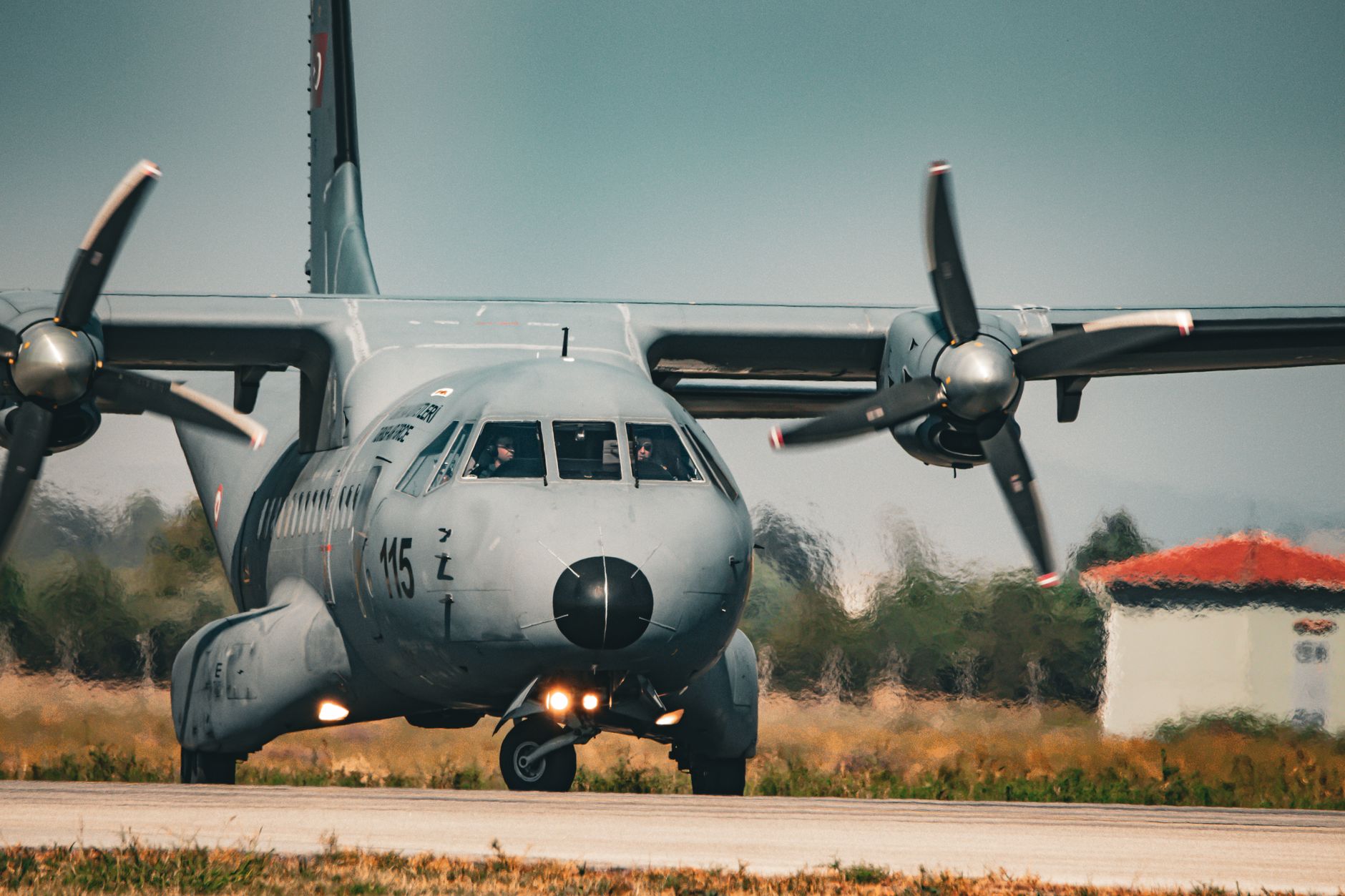
The Tu-95, known in NATO reporting as the Bear, entered Soviet service in the mid-1950s and has been modernized repeatedly over the decades, but the airframe itself is no longer in production. Russia maintains a limited number of the aircraft and has relied on deep overhauls rather than new manufacturing to sustain the fleet. Losing even a single example to a non-combat accident is therefore qualitatively different from, for instance, losing a frontline fighter that can be replaced from an active production line.
Business Insider’s reporting notes the aircraft is described as irreplaceable in the near term, a characterization that reflects both the absence of an active Tu-95 production program and the slow pace at which Russia’s defense industry has developed its putative successor, the PAK DA stealth bomber. That program has faced repeated delays and has not entered serial production, leaving the Tu-95 and the supersonic Tu-160 as Russia’s primary airborne nuclear delivery platforms for the foreseeable future.
Strategic Weight of a Single Airframe
The Tu-95 carries cruise missiles capable of delivering nuclear or conventional warheads at stand-off range, making each operational aircraft a meaningful component of Russia’s nuclear signaling posture as well as its warfighting capability. Russian long-range aviation has been active in the context of the Ukraine war, with Tu-95s conducting cruise missile launches against Ukrainian territory from stand-off positions over Russian and Caspian airspace. The destruction of one aircraft in a training accident therefore removes an asset that has seen active operational use, not merely a reserve platform sitting in long-term storage.
Crew fatalities compound the loss. Training experienced aircrew for strategic bombers is a years-long process, and Russia’s defense establishment has faced documented pressure on manning and retention across its military aviation branches since the beginning of the Ukraine conflict. Officials have not publicly confirmed the number of crew members killed or detailed the specific circumstances that led to the crash, leaving the precise cause of the accident uncharacterized in open-source reporting.
The incident reinforces a broader pattern of strain on Russian military aviation that Western defense analysts have noted throughout the current conflict period. Whether it prompts Moscow to adjust the operational tempo of its remaining Tu-95 fleet — or accelerate, even modestly, any reconstitution efforts — remains to be seen. What is not in question is that the Russian Air Force is now operating with one fewer strategic bomber than it had before the crash, and no near-term path to replacing it.