Pentagon Commits $87 Million to Overhaul Electronic Warfare Capabilities on the Aging F-16 Fleet
The Air Force awarded an $87M contract to modernize F-16 electronic warfare systems under the IVEWS program.
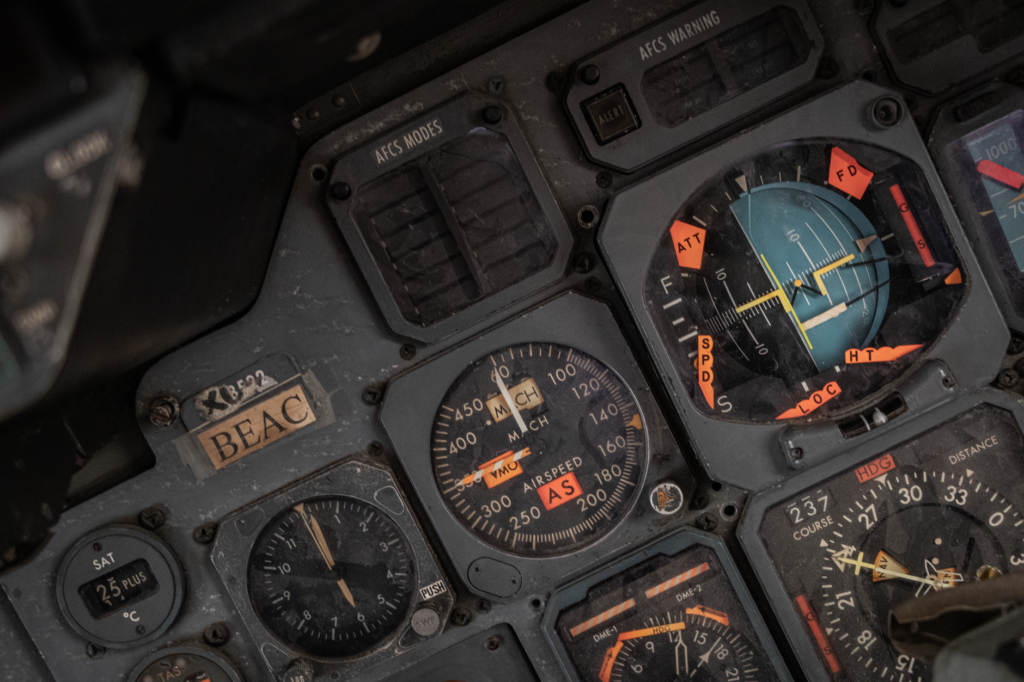
The U.S. Air Force has awarded an $87 million contract to upgrade the electronic warfare systems aboard its F-16 fleet through the Integrated Viper Electronic Warfare Suite, or IVEWS, program — a modernization push designed to keep the decades-old fighter competitive against increasingly sophisticated adversary radar and jamming threats. The award, detailed by Space Forces Magazine, signals a deliberate effort to extend the operational utility of the F-16 well into an era defined by advanced integrated air defense systems. As the Air Force continues to field the F-35, the F-16 remains a backbone platform for both U.S. and allied air operations, making survivability investments on the airframe a practical near-term priority.
Electronic warfare has taken on renewed urgency across the services as peer and near-peer competitors field denser, more capable ground-based air defenses. The IVEWS program reflects a broader recognition that legacy platforms cannot persist in contested environments without meaningful upgrades to their onboard sensing, jamming, and self-protection suites. That calculus extends beyond the Air Force — the hypersonic integration work underway on the Navy’s F/A-18 Super Hornet follows a similar logic, pairing new offensive or defensive capability onto proven airframes rather than waiting for next-generation replacements.
What IVEWS Is Designed to Do
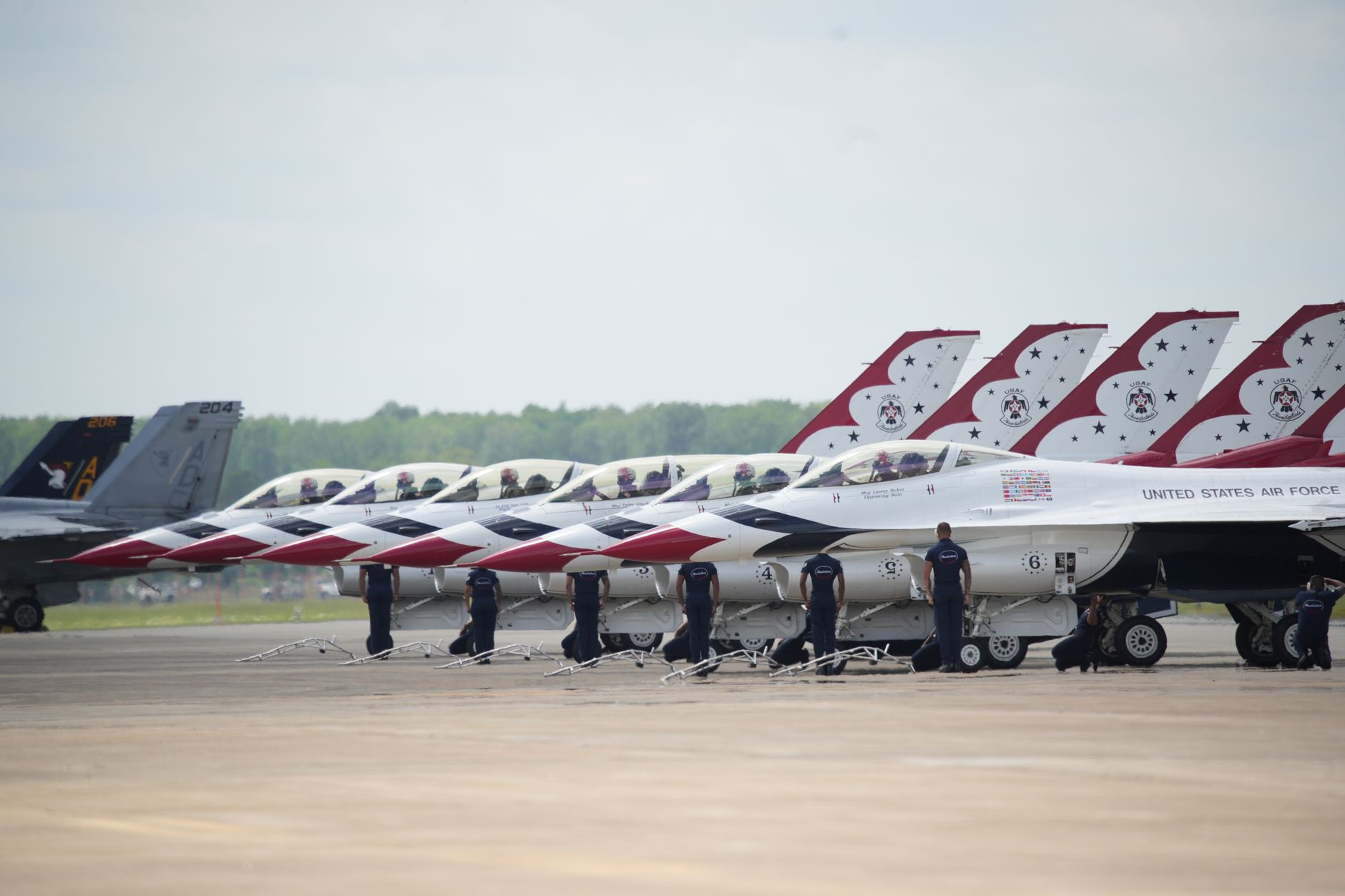
IVEWS is intended to replace or modernize the F-16’s existing electronic warfare architecture, improving the aircraft’s ability to detect, classify, and respond to radar-guided threats. According to Air and Space Forces Magazine’s reporting on the program, the suite is being developed to give F-16 pilots better situational awareness in electronically contested environments and to improve the platform’s jamming and self-protection capabilities. Officials have not publicly disclosed the full technical specifications of the system or the precise performance benchmarks the program is targeting under this contract award.
The $87 million investment represents a significant contract action, though the total lifecycle cost of a full-fleet IVEWS integration across the Air Force’s F-16 inventory would likely be substantially larger. Program officials have not confirmed a projected completion timeline or the number of aircraft covered under this specific contract. The modernization is particularly relevant for Air National Guard units, which operate large numbers of F-16s and are unlikely to transition to the F-35 on any near-term schedule.
Strategic and Industrial Context
The IVEWS award arrives as the defense industrial base faces sustained pressure to accelerate modernization timelines without proportionally expanding budgets. Electronic warfare upgrades of this type — applied to existing airframes rather than funded through new-aircraft procurement — represent one of the more cost-efficient pathways to maintaining an operationally relevant tactical air fleet. For the F-16 specifically, the aircraft continues to serve in front-line roles across NATO and throughout the Indo-Pacific theater, meaning any survivability gap in its electronic warfare suite carries operational consequences well beyond U.S. Air Force units alone.
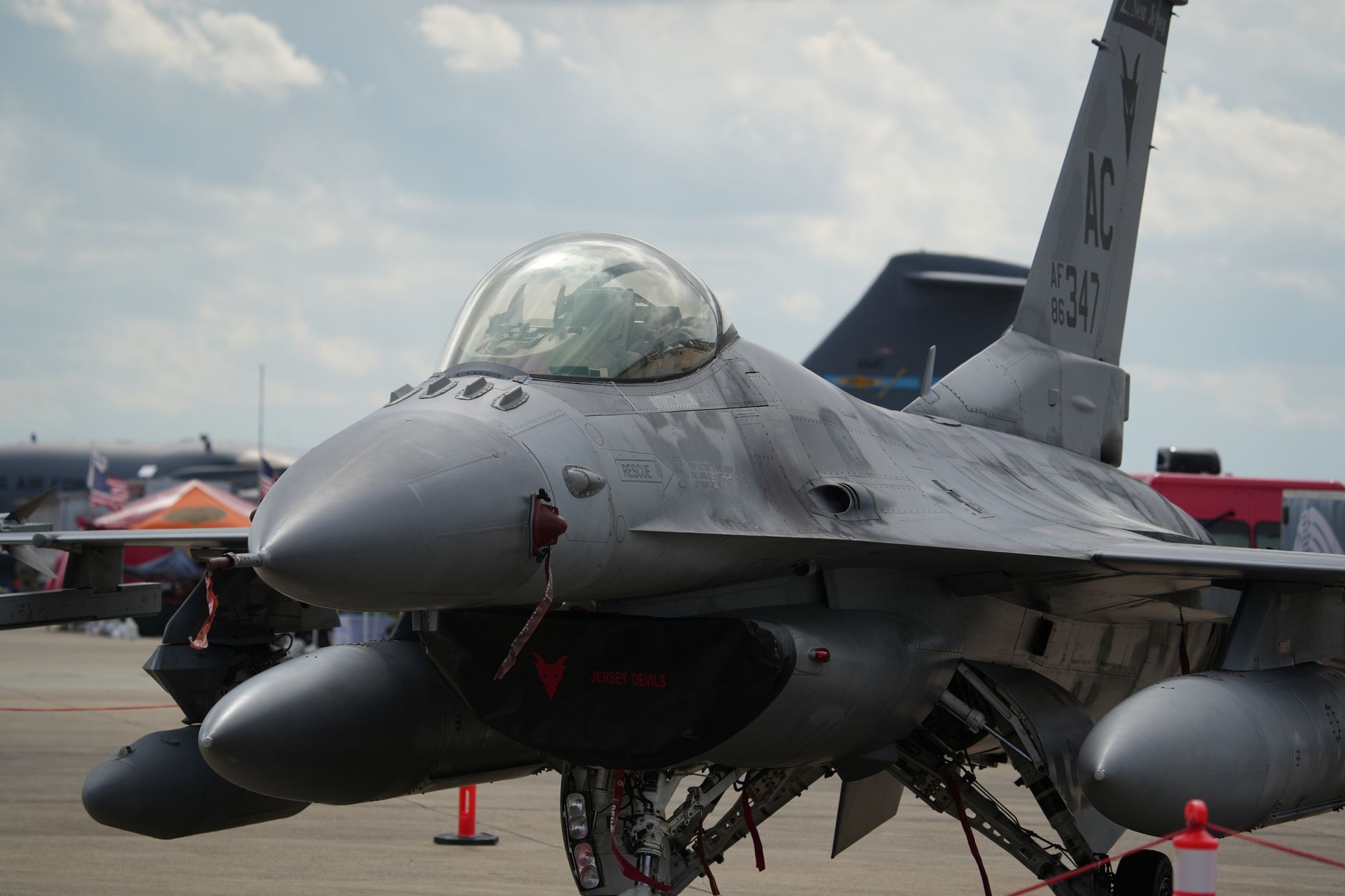
Allied nations operating the F-16 — including several that have recently received or requested the platform — may also be watching the IVEWS program closely, as U.S. modernization decisions often shape what upgrade paths become available through foreign military sales channels. The Air Force has not announced whether IVEWS would be offered to partner nations. Meanwhile, the service’s broader investment in electronic warfare and survivability technology reflects the competitive pressures documented across the joint force, including the directed-energy work the Space Force is pursuing to protect assets from drone and electronic threats at home. Taken together, these programs illustrate a force-wide reckoning with the electromagnetic environment as a decisive domain of modern conflict.