Satellite Imagery Reveals Activity at Chinese Shipyard Tied to Next-Generation Submarine Program
New satellite imagery shows activity at a Chinese shipyard linked to next-generation submarine development, raising fresh questions about PLAN expansion.
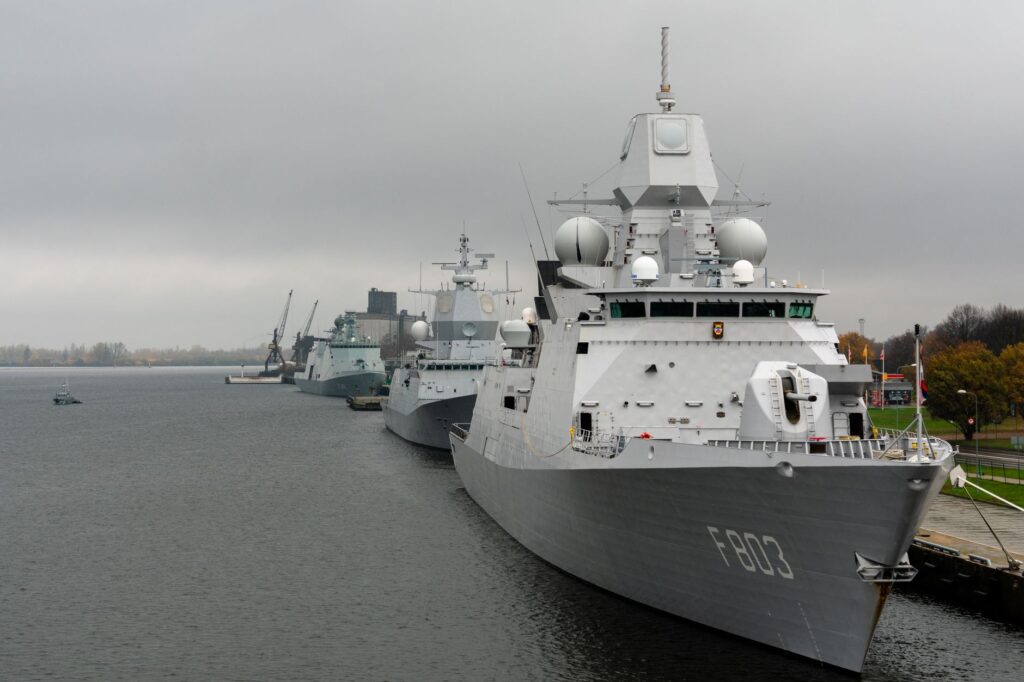
New satellite imagery has captured what analysts believe to be significant activity at a Chinese naval shipyard associated with Beijing’s next-generation submarine program, adding fresh detail to ongoing assessments of the People’s Liberation Army Navy’s undersea modernization effort. The War Zone first reported the imagery, noting that the visuals point to continued development work on what could represent a meaningful advance in China’s submarine capabilities. The findings arrive as the United States and its allies are closely tracking PLAN expansion across all vessel classes, an effort with direct implications for submarine fleet competition globally.
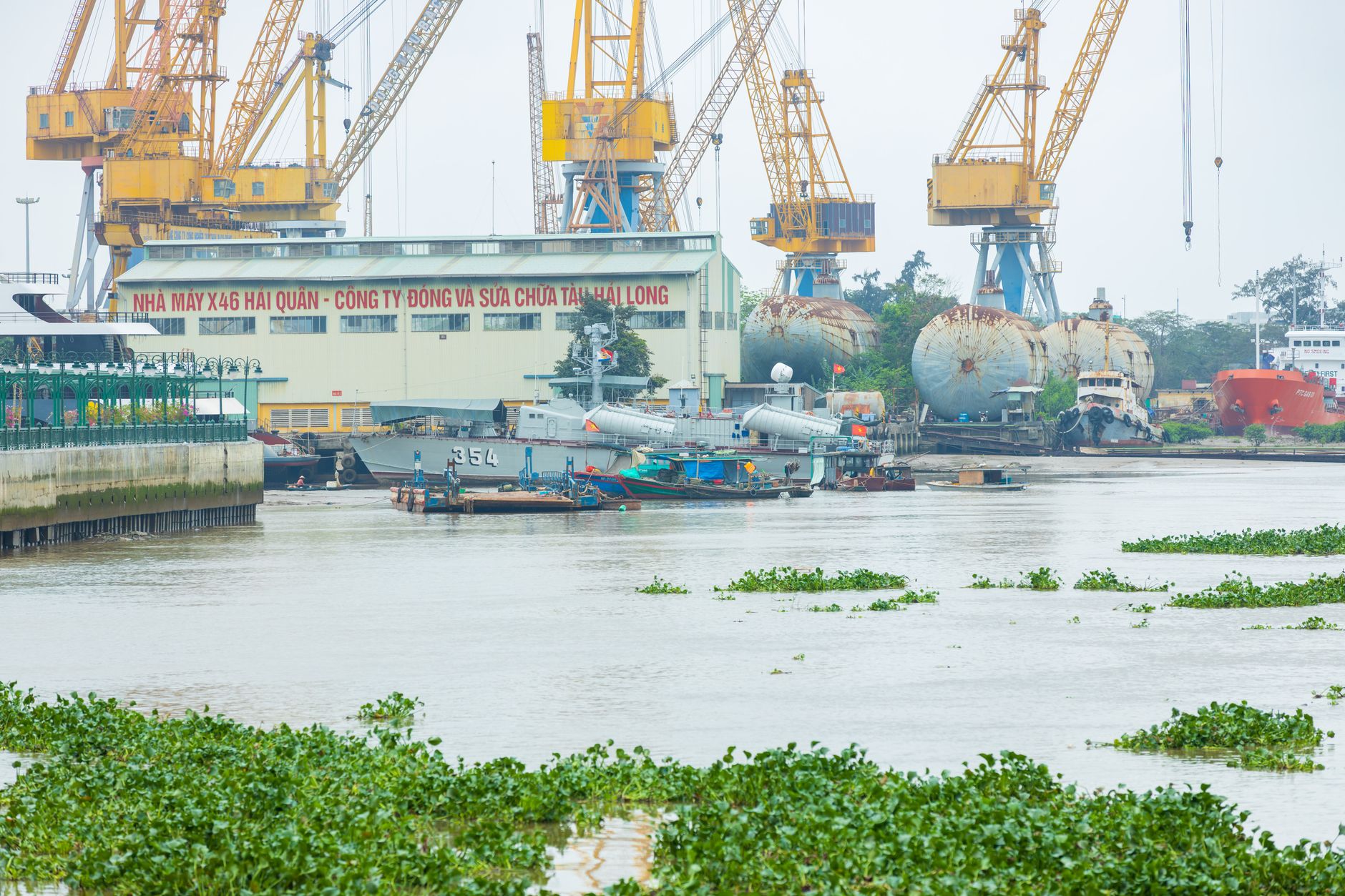
A social media account tracking PLA military updates drew early attention to the development. The imagery analysis circulated on X highlighted specific structural and positional details at the facility that open-source analysts interpreted as consistent with submarine construction or outfitting activity.
What the Imagery Shows — and What Remains Unconfirmed
According to The War Zone’s reporting, the satellite imagery reveals activity at a Chinese facility consistent with submarine-related construction or testing work. Officials have not publicly confirmed the specific class designation, displacement figures, or propulsion configuration of any vessel under development at the site. The publication stopped short of asserting the imagery conclusively identifies a completed or near-complete hull, reflecting the inherent limitations of open-source overhead surveillance in resolving covered or partially obscured industrial facilities.
Open-source intelligence derived from commercial satellite platforms has become an increasingly standard tool for tracking military shipbuilding programs, particularly in cases where host nations restrict access to official information. Analysts have used similar methods to chart the pace of Chinese carrier and destroyer construction at Jiangnan and Dalian shipyards in recent years. The current imagery, however, pertains to submarine activity — a domain where physical concealment, covered dry docks, and security measures complicate interpretation even more than surface combatant programs.

Strategic Weight of PLAN Submarine Modernization
China’s submarine fleet is widely regarded as a central pillar of its anti-access and area-denial strategy, as well as its sea-based nuclear deterrent. The PLAN currently operates a mix of ballistic missile submarines, nuclear-powered attack submarines, and a larger force of diesel-electric boats. Any next-generation program would presumably aim to reduce acoustic signatures, extend operational range, or improve weapons integration — though The War Zone’s reporting does not confirm which of these priorities, if any, are reflected in the imagery under examination.
The timing of the satellite observations matters strategically. The United States Indo-Pacific Command has repeatedly identified Chinese undersea warfare modernization as a priority concern, and the AUKUS submarine partnership — under which the United States and United Kingdom are helping Australia acquire nuclear-powered attack submarines — is explicitly designed in part as a counterweight to PLAN undersea expansion. Pentagon budget discussions have also flagged submarine procurement as a pressure point, with defense spending priorities competing across multiple platform categories simultaneously. Whether the shipyard activity captured in the latest imagery represents an accelerated timeline or routine progress on a known program remains an open question that official assessments have yet to answer publicly.