Space Force Moves to Harden Cape Canaveral Against the Growing Drone Threat
Space Force is expanding counter-drone capabilities at Cape Canaveral as commercial launch activity intensifies and UAS threats grow.
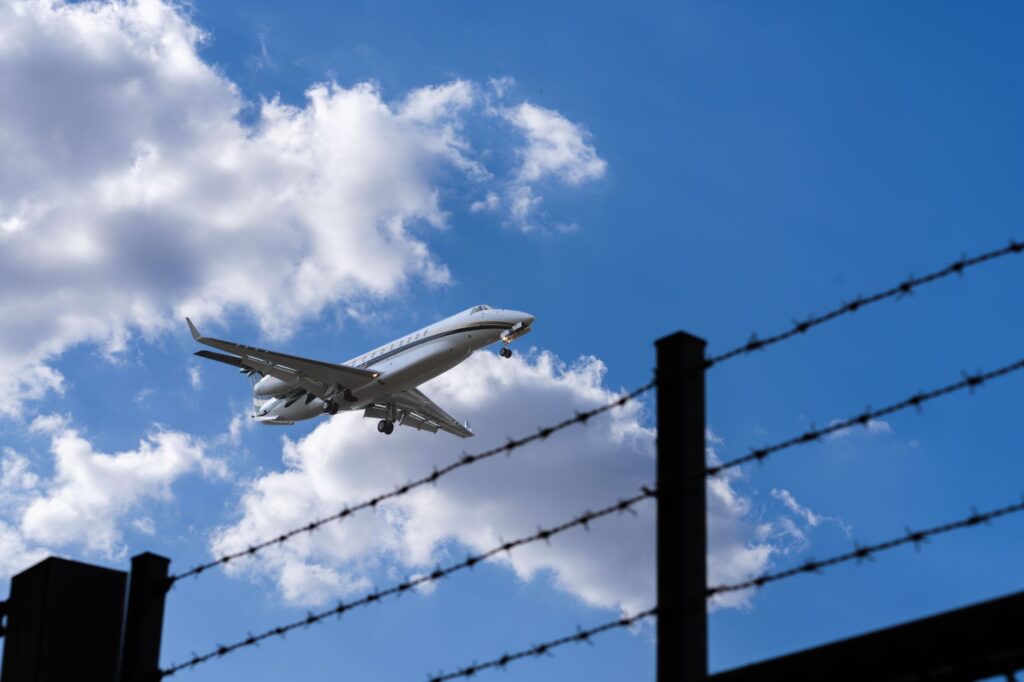
The United States Space Force is actively expanding counter-unmanned aerial system defenses at Cape Canaveral Space Force Station in Florida, service officials confirmed, citing an escalating threat environment around one of the nation’s most strategically critical launch complexes. The buildup reflects a broader recognition within the Pentagon that commercial spaceports and military launch facilities represent high-value targets that have historically operated with limited organic air defense. As Defense One reported, Space Force officials acknowledged the effort as part of an ongoing force protection upgrade at the station.
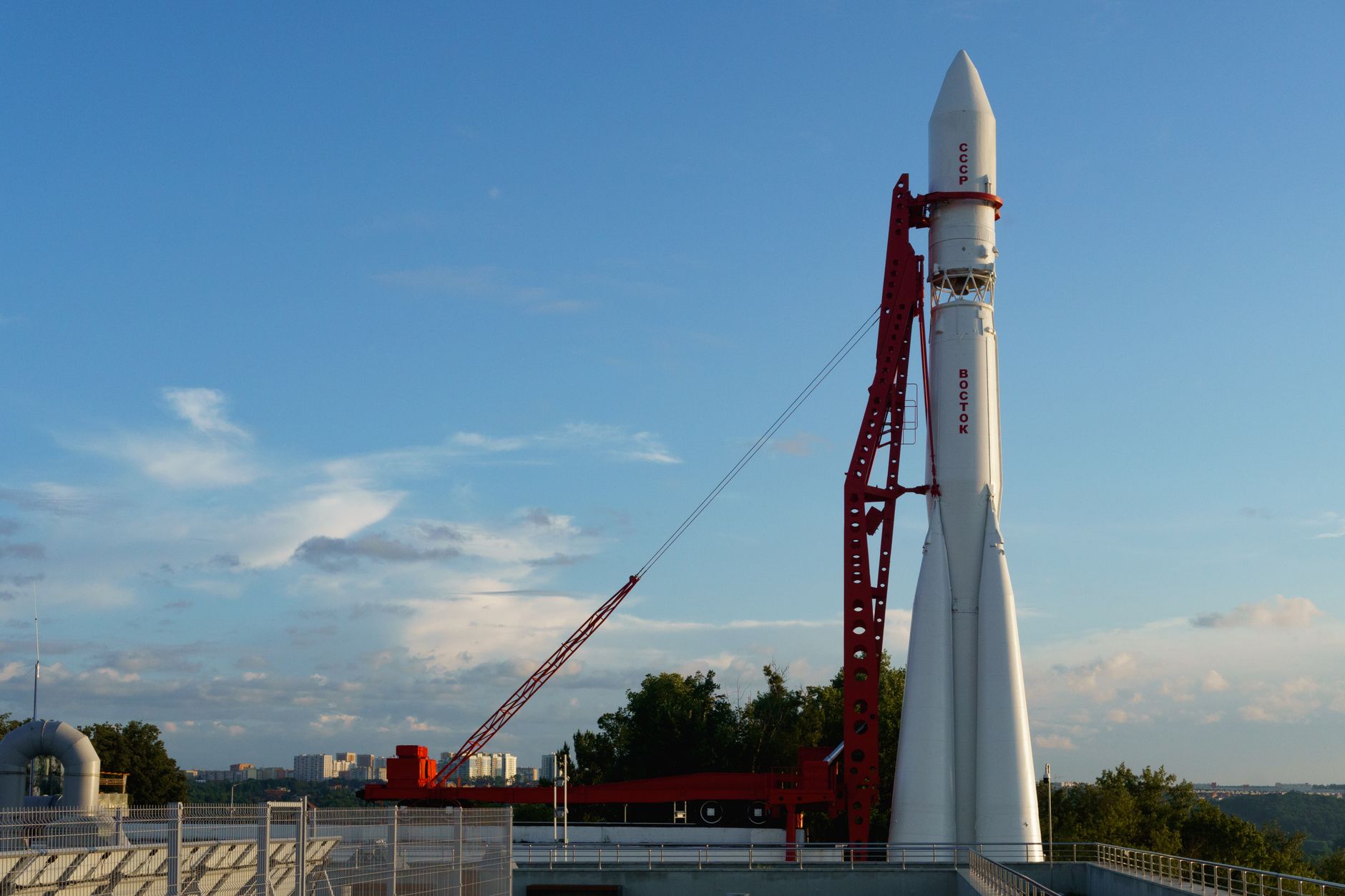
Cape Canaveral hosts a dense concentration of national security payloads, classified reconnaissance satellites, and commercial launches — including those conducted by SpaceX, whose Falcon 9 and Falcon Heavy rockets operate regularly from the site. The convergence of military and commercial missions at a single coastal installation has sharpened concerns about surveillance drones, whether operated by foreign intelligence services or non-state actors. Officials have not publicly disclosed specific system designations or the number of sensors and effectors being fielded as part of the counter-UAS expansion. Related upgrades to space domain awareness networks internationally underscore how launch infrastructure has become a target set that adversaries are actively studying.
Launch Cadence Creates a Persistent Vulnerability Window
The security challenge at Cape Canaveral is compounded by the sheer volume of launches now occurring from the Florida Space Coast. SpaceX alone has conducted dozens of missions annually from the site in recent years, and the pace is expected to continue. According to Bloomberg, SpaceX launched NASA’s dark energy-hunting Euclid successor mission from the Cape as part of an increasingly packed manifest. Each launch window represents a period of elevated activity — fueling operations, personnel movements, and media access — that creates predictable patterns a hostile UAS could exploit for reconnaissance or disruption.
Counter-UAS systems at facilities like Cape Canaveral typically incorporate a layered architecture: radar and electro-optical sensors for detection and tracking, radio-frequency jammers for soft-kill options, and in some cases kinetic defeat systems for hard-kill scenarios. Space Force officials have not confirmed which specific technologies are being deployed at Cape Canaveral, nor have they indicated whether the program involves contracted industry partners or organic military solutions. The lack of detail is consistent with how the Defense Department typically handles force protection disclosures for active installations.
Institutional Momentum Behind Base Air Defense
The Cape Canaveral effort fits within a wider push across the military services to address what Pentagon planners have long described as a gap in installation-level air defense. Drone incursions over military bases — domestic and overseas — have repeatedly exposed the absence of standing counter-UAS authorities and integrated sensor networks at many installations. The Space Force, as the newest and smallest military branch, is building its force protection architecture largely from scratch, which gives it some institutional flexibility but also means it is doing so without decades of established doctrine.
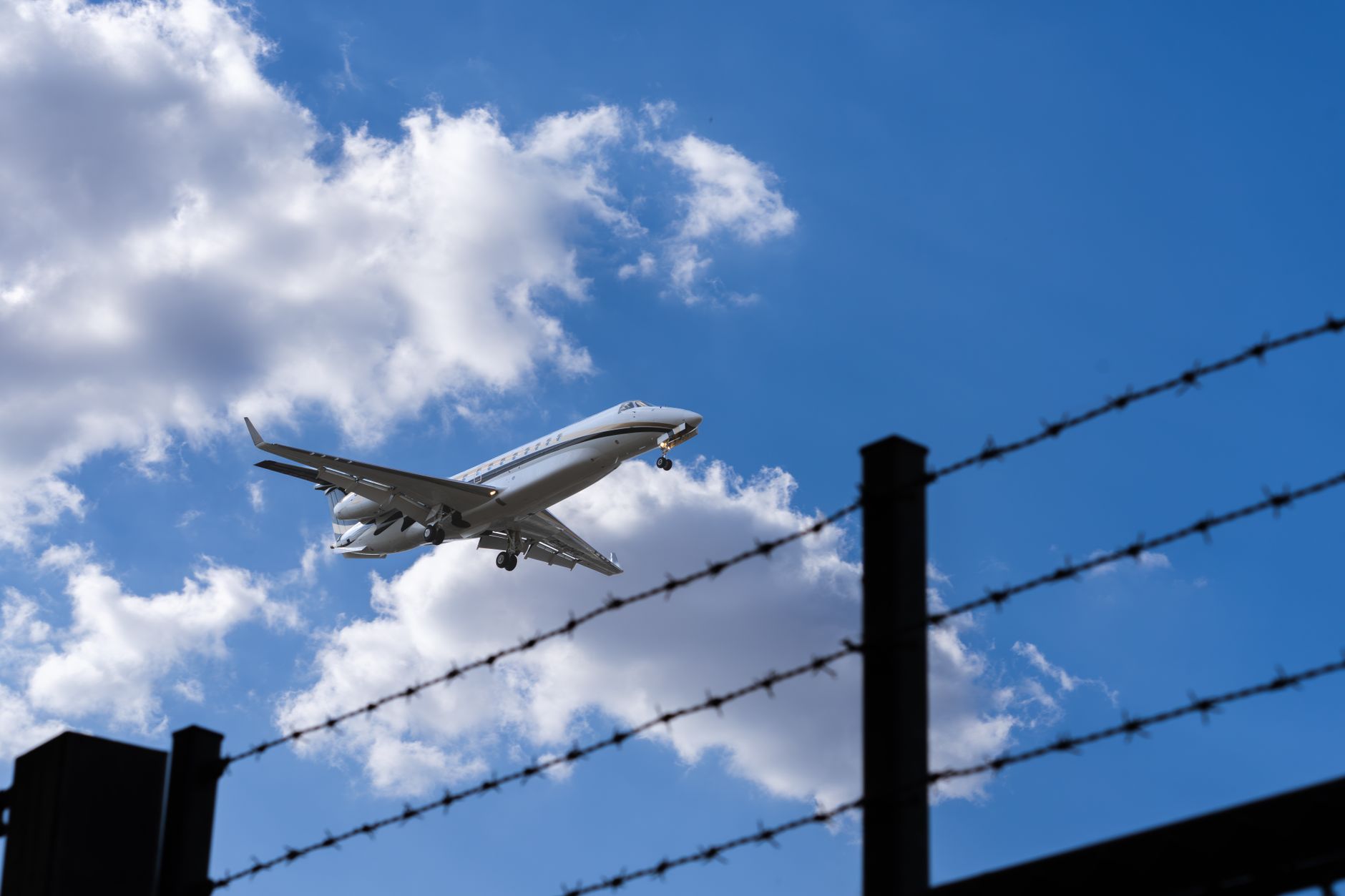
The broader pattern of hardening critical military infrastructure against drone threats has gained momentum across the services. The forward posture exercises in Europe have similarly forced planners to grapple with base defense requirements in contested environments. For Space Force, the stakes at Cape Canaveral are particularly high: a disrupted or delayed launch of a national security satellite can have cascading effects on intelligence collection, communications, and missile warning capabilities that extend far beyond the Florida coastline. Officials have not provided a timeline for when the counter-drone upgrades will reach an initial operational capability.