Hegseth Calls Washington Post Iran Casualty Report Fabricated, Demands Correction
Defense Secretary Pete Hegseth forcefully denied a Washington Post report claiming the Pentagon concealed U.S. casualties from strikes on Iran.
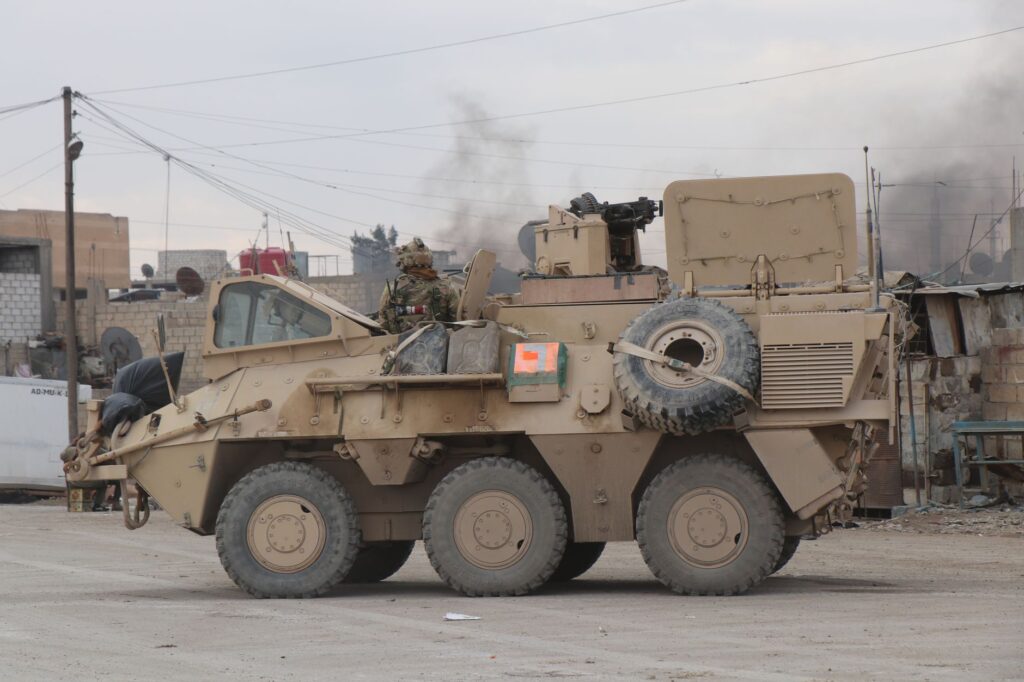
Defense Secretary Pete Hegseth on Tuesday issued a sharp public rebuttal of a Washington Post report alleging that the Pentagon had concealed American military casualties sustained during U.S. strikes on Iranian nuclear facilities, calling the story a fabrication and demanding a retraction. The dispute marks one of the most direct confrontations between a sitting defense secretary and a major American newspaper over wartime reporting accuracy. For broader context on how the U.S. and its partners have navigated the evolving Iran threat, see GDD’s earlier coverage of the air defense doctrine overhaul that reshaped alliance posture amid missile and drone proliferation.
Hegseth’s denial was unambiguous in its language. According to a Daily Wire report on the exchange, the secretary described the Washington Post’s claims as a “complete lie” and stated that no U.S. service members were killed or wounded during the operations in question. Hegseth’s office posted a direct rebuttal on social media; the official statement flatly denied the Post’s central claim that casualty figures had been withheld from the public and from Congress.
The Washington Post’s Allegations and the Pentagon’s Response
The Washington Post had reported that U.S. personnel suffered casualties during strikes targeting Iran’s nuclear program and that senior Pentagon officials had moved to suppress that information. The paper did not, according to the Daily Wire’s account of the story, publicly name specific individuals alleged to have ordered the concealment or provide on-record sourcing for the casualty figures it cited. The Post’s report drew immediate scrutiny precisely because casualty data involving active military operations carries significant legal and congressional-notification obligations under U.S. law.
Hegseth did not simply dispute the framing of the Post’s report — he rejected its factual foundation in its entirety. The Daily Wire noted that Hegseth called on the newspaper to issue a correction and retraction. Pentagon press office representatives, per the same reporting, backed the secretary’s position that no American casualties occurred during the Iran strikes. Officials have not, as of the time of reporting, released a detailed operational summary that would allow independent verification of the zero-casualty claim, nor has the Post withdrawn or amended its original story.
Credibility Stakes and the Information Environment Around the Iran Strikes
The confrontation arrives at a moment when the information environment surrounding U.S. military action against Iran is already contested. The strikes themselves represented a significant escalation in American willingness to conduct direct kinetic operations against Iranian nuclear infrastructure, and any credible reporting of concealed casualties would carry substantial political and legal consequences, including potential War Powers Act implications and congressional demands for classified briefings. The gap between the Post’s allegations and Hegseth’s categorical denial leaves a significant unresolved factual question that neither side has yet resolved with publicly verifiable evidence.

The episode also underscores a recurring tension in civil-military media relations during active operations: the Pentagon’s authority to classify operational details against the press’s role in surfacing information the public and Congress may have a legitimate interest in receiving. That tension has shaped coverage of other allied security partnerships in the region as well — GDD has tracked how Israel’s submarine fleet expansion has similarly drawn scrutiny over what operational details governments choose to disclose and when. Until either the Washington Post produces documentation supporting its casualty claims or an independent source corroborates Hegseth’s denial, the dispute remains unresolved in the public record.