FTS Rolls Out Airborne Light Combat Vehicle Designed to Meet German Special Forces Requirements
German-Israeli firm FTS has unveiled a new light airborne combat vehicle tailored for German special operations forces.
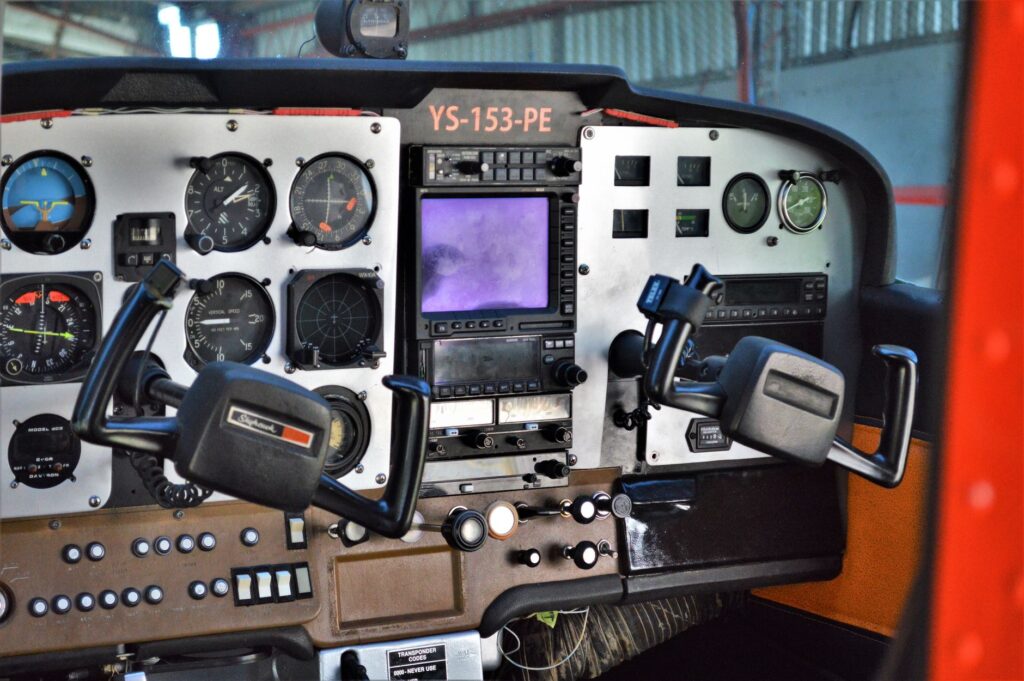
German-Israeli defense company Future Technology Systems (FTS) has publicly unveiled a new light airborne combat vehicle engineered specifically for German special operations forces, marking a notable product debut for the binational firm. The unveiling, by Breaking Defense, positions the platform as a candidate for units that require a rapidly deployable ground vehicle capable of being transported by rotary-wing or fixed-wing aircraft. The development reflects a broader European push to recapitalize light-mobility assets for elite forces as demand for expeditionary capability grows across NATO.
The vehicle sits at the intersection of two industrial traditions — German engineering standards and Israeli experience designing combat-proven light platforms for rugged, high-tempo operations. That combination matters for prospective customers evaluating not just the hardware but the supply chain and sustainment network behind it. As European defense procurement increasingly favors platforms with domestic or allied production ties, FTS’s German-Israeli structure may give it a structural advantage in competing for Bundeswehr contracts.
Platform Design and Operational Concept
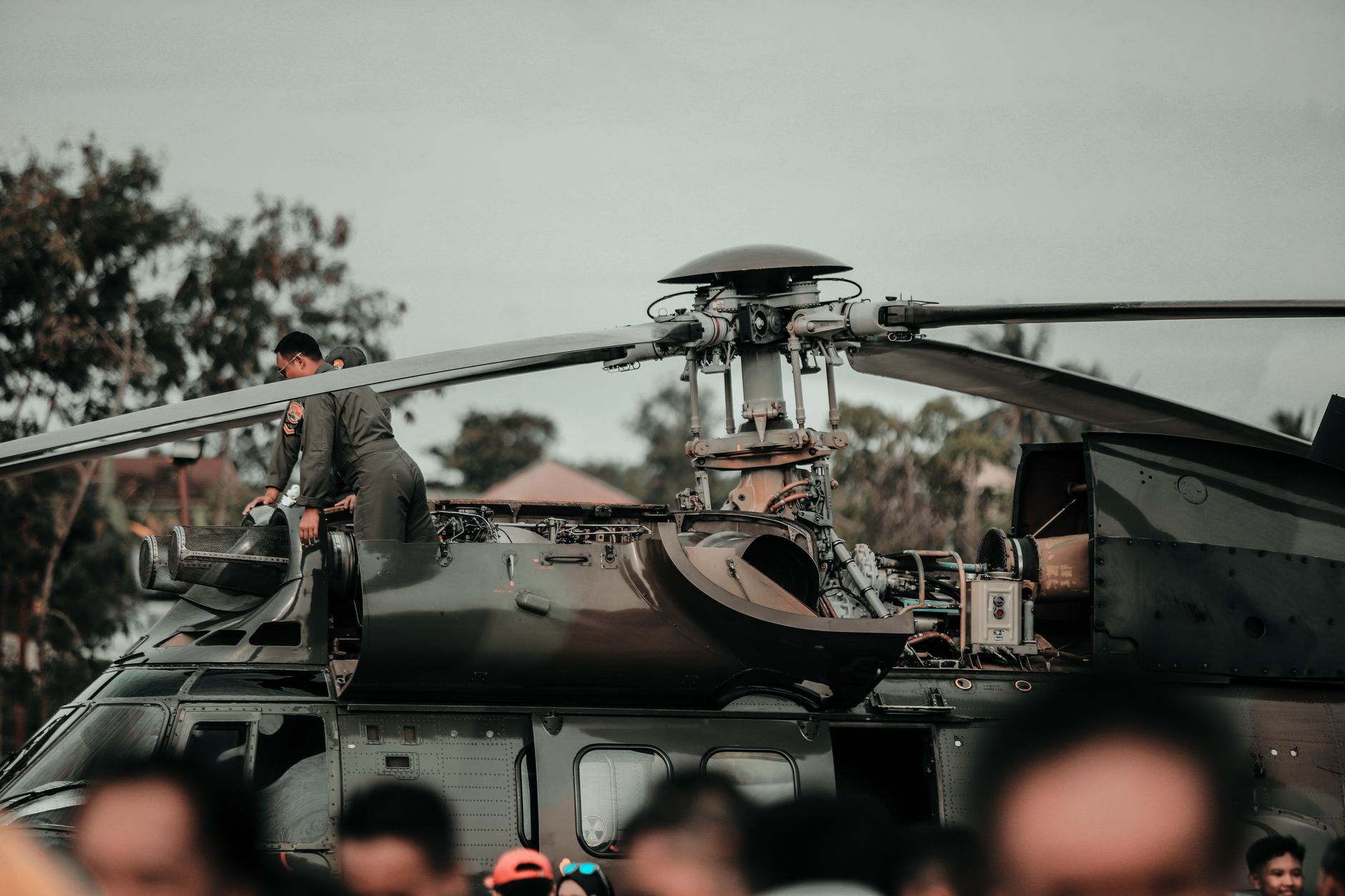
FTS designed the vehicle around the core requirement of air-transportability, prioritizing a low profile and reduced weight that allow it to fit within the cargo envelope of helicopters commonly operated by German special operations aviation. Beyond airlift compatibility, the platform is intended to give dismounted forces a fast, mobile ground option once inserted — bridging the gap between an insertion point and an objective that would otherwise require movement on foot. Officials have not confirmed specific payload, range, or top-speed figures in publicly available disclosures at this stage of the program.
The modular architecture of the vehicle appears central to FTS’s pitch. Configurable weapon station mounts and adaptable cargo space suggest the company is targeting a platform that can serve reconnaissance, direct-action, and logistics-support roles without requiring separate vehicle variants. This kind of multi-role flexibility has become a standard expectation in special operations procurement, where small units must accomplish diverse mission sets with limited organic equipment. Whether the vehicle carries any specific protection package against small-arms fire or blast threats has not been confirmed in available sourcing.
Industrial Context and German Special Forces Market
The timing of the unveiling is significant. Germany’s Kommando Spezialkräfte and associated special operations elements have been part of a broader Bundeswehr modernization effort accelerated by Berlin’s post-2022 defense spending commitments. Light vehicle recapitalization has not been among the most publicly prominent line items in that effort, but special operations commands across NATO have consistently flagged mobility gaps — particularly for platforms that can keep pace with evolving air-insertion doctrine. Concerns about battlefield transparency and adversary real-time tracking have also pushed special forces planners toward smaller, lower-signature ground platforms that are harder to detect and target.
FTS enters a competitive field. Established European manufacturers already supply light tactical vehicles to German and allied special operations customers, and any path to a Bundeswehr contract would likely require evaluation trials and formal procurement action by German defense authorities. The company has not publicly announced a contract award or a formal program of record tied to the new vehicle. What the unveiling does establish is FTS’s intent to compete in this segment and its ability to bring a complete platform concept to market — a prerequisite for any subsequent evaluation process. Further technical disclosures and customer engagements are expected as the company advances the program.