Cornered by U.S. Military Action, Iran Bets on BRICS to Break Its Diplomatic Siege
With U.S. military pressure mounting, Iran is pivoting to BRICS for diplomatic cover and economic relief.
Iran is doubling down on multilateral diplomacy as a shield against intensifying American military pressure, turning to the BRICS summit as its most visible platform for countering the isolation that has deepened since the United States escalated its military campaign against the country, according to Bloomberg reporting published September 11, 2026. The move signals Tehran’s calculation that alignment with major non-Western economies offers both political legitimacy and a partial economic lifeline that bilateral relationships alone cannot provide. The broader regional volatility driving that calculation is evident across the Middle East, where armored vehicle demand and defense spending have surged in parallel with rising threat perceptions.
Iranian officials have adopted a publicly defiant posture even as the U.S. war effort has, by Bloomberg’s account, sharpened Tehran’s strategic vulnerability. Rather than signaling a willingness to negotiate terms with Washington, Iranian leadership has framed its BRICS engagement as evidence that the United States cannot unilaterally dictate the international order — a rhetorical line aimed as much at domestic audiences as at foreign partners.
BRICS as Strategic Cover
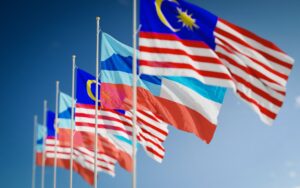
The BRICS grouping — which now includes a significantly expanded roster of member states beyond its original five — gives Iran a forum where Western sanctions architecture carries less institutional weight. Bloomberg’s reporting indicates Iran is using the summit to press for expanded trade arrangements and financial mechanisms that could reduce its dependence on dollar-denominated systems, though the publication does not specify which member states have signaled concrete commitments in response.
The strategic logic is straightforward: by deepening ties with BRICS economies, Tehran seeks to demonstrate to its own population and to regional observers that isolation is neither total nor permanent. Whether that demonstration translates into meaningful sanctions relief or sustained trade volumes remains unconfirmed. Bloomberg does not report specific trade figures or formal agreements emerging from the summit at the time of publication, and Iranian officials have not provided detailed data to corroborate claims of economic resilience.
Military Pressure and Diplomatic Maneuvering
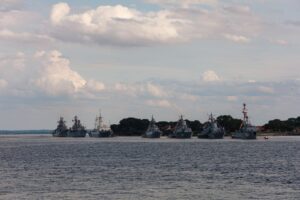
The U.S. military campaign referenced in Bloomberg’s reporting has, according to the publication, materially worsened Iran’s strategic position — tightening constraints on Iranian-aligned networks across the region and compounding existing economic stress from sanctions. Iranian officials have not publicly acknowledged operational setbacks, maintaining instead that the country’s defensive posture remains intact. The gap between that official messaging and the picture drawn by Bloomberg underscores the information environment surrounding the conflict, in which both sides have incentives to manage perception as aggressively as kinetics.
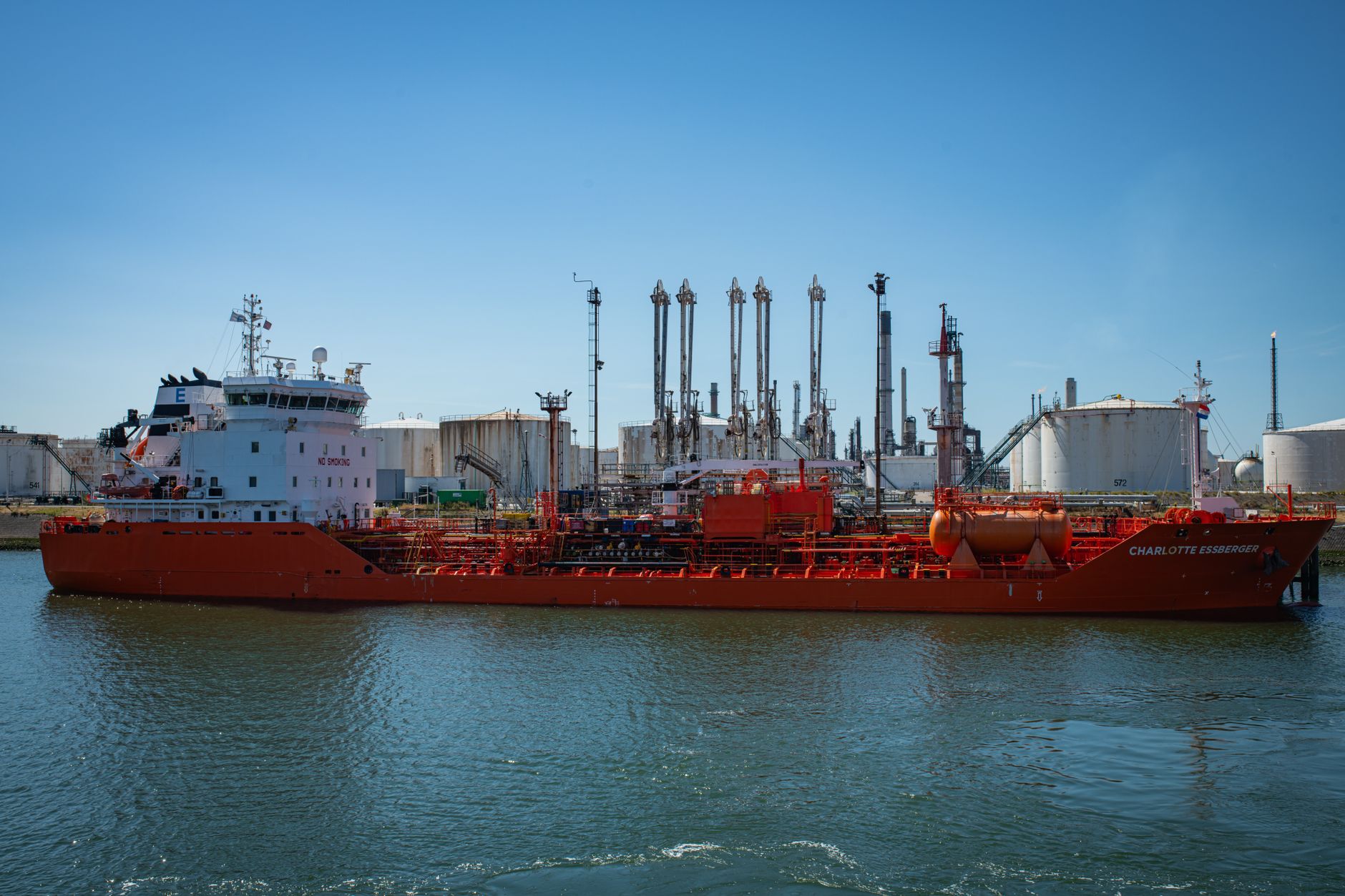
The energy dimension of Iran’s position adds another layer of complexity. Disruptions to regional energy flows — a concern that has grown steadily since Houthi activity reshaped tanker routing in the Red Sea, a pattern covered separately in Sea oil flows analysis — have kept global markets attentive to any further deterioration in the Gulf. Iran’s ability to leverage its own energy resources as a diplomatic or economic tool depends heavily on which BRICS partners are prepared to absorb Iranian exports despite secondary-sanctions risk, a question Bloomberg leaves open.
For Washington, the BRICS pivot is not an unfamiliar countermove — adversaries under pressure have sought multilateral cover before — but its effectiveness this time will hinge on how much economic and political capital BRICS members are willing to expend in Iran’s defense. That calculus, Bloomberg’s reporting suggests, is still playing out, with Tehran hoping urgency and solidarity rhetoric can substitute for the formal commitments it has yet to secure.