ParaZero Wins Its First U.S. Government Contract, Opening a New Market for Drone Safety Systems
Israeli drone-safety firm ParaZero has secured its first U.S. government order, marking a significant market milestone for its parachute recovery systems.

ParaZero Technologies, an Israeli aerospace-defense company specializing in autonomous parachute recovery systems for unmanned aircraft, has secured its first order from the United States government, according to Calcalist Tech. The contract marks a significant commercial and strategic milestone for the Tel Aviv-based firm, which has built its business around systems designed to prevent uncontrolled drone crashes in populated or sensitive airspace. For companies operating in the drone technology sector, U.S. government validation carries substantial weight in opening further institutional procurement opportunities.
The company did not publicly disclose which U.S. government agency placed the order, the contract value, or the specific quantity of systems involved. Officials have not confirmed whether the order is for military, law enforcement, or another federal end-user. What ParaZero has confirmed is that the contract represents the company’s entry into the U.S. federal procurement market — a threshold that typically involves rigorous certification, interoperability, and airworthiness assessments before any order is placed.
What ParaZero Makes and How It Works
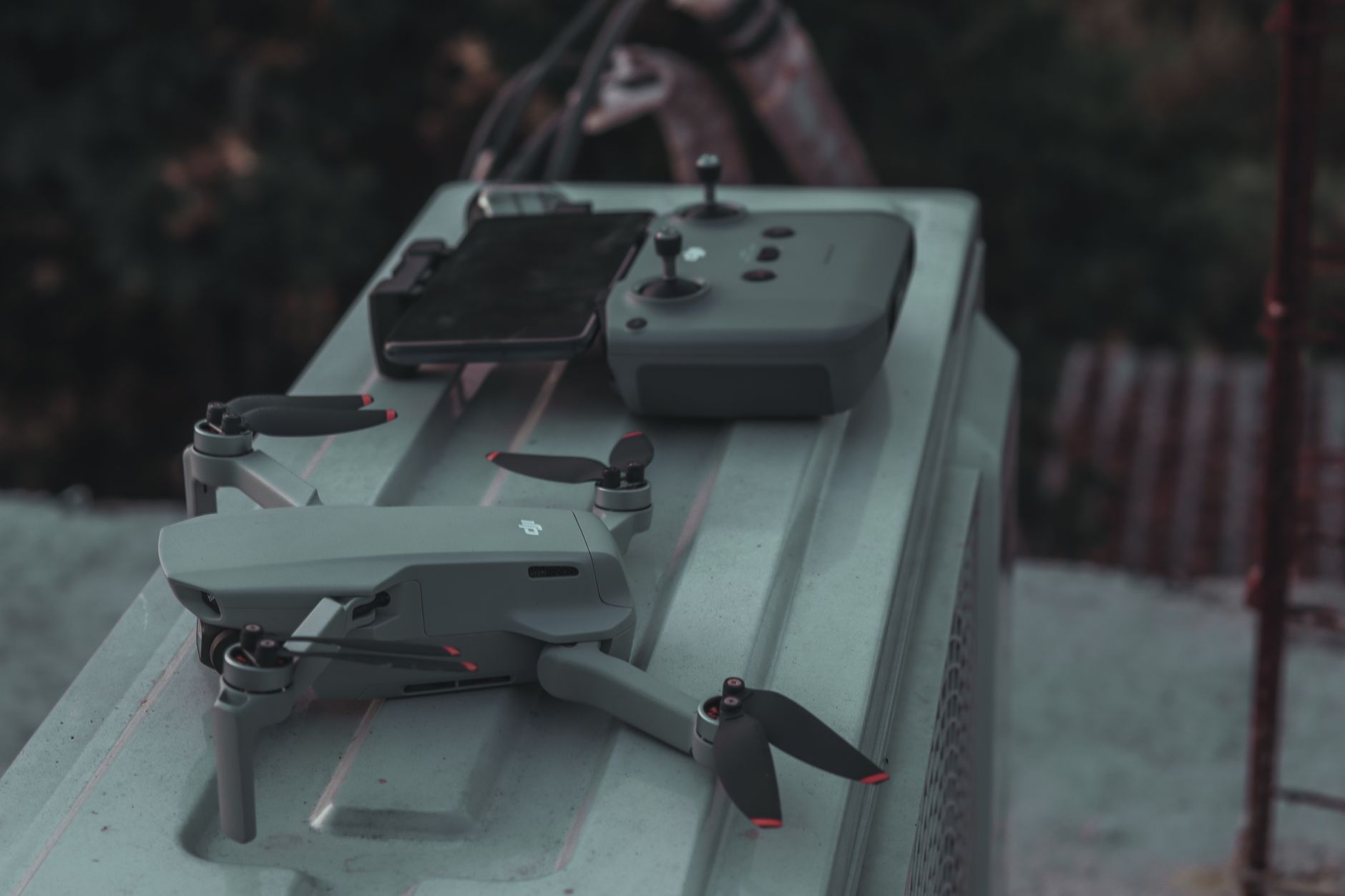
ParaZero’s core product line centers on autonomous safety systems that deploy ballistic parachutes when an unmanned aircraft experiences a failure or loss of control. The systems are designed to activate without pilot input, using onboard sensors to detect anomalies and trigger recovery before a drone reaches the ground in an uncontrolled state. The company has positioned its technology as a compliance and risk-mitigation tool for operators flying drones beyond visual line of sight or over populated areas — mission profiles that are increasingly common in both commercial and government operations.
The technology addresses a recognized gap in unmanned aviation: as drones grow heavier and fly more complex missions, the consequences of a failure event become proportionally more serious. Regulatory frameworks in the United States and Europe have increasingly required or incentivized drone operators to demonstrate containment capability, making parachute-recovery systems a practical necessity rather than an optional add-on for certain mission classes. ParaZero’s entry into the U.S. government market suggests its systems have met at least some of the technical thresholds those frameworks demand.

Market Position and What the Contract Signals
ParaZero’s U.S. government order arrives as federal agencies across the defense, homeland security, and law enforcement sectors have expanded their drone fleets and, with them, their exposure to liability from drone incidents in controlled or populated airspace. The interest in passive safety systems has grown in parallel with broader counter-drone investment, as agencies grapple simultaneously with the threat posed by adversarial unmanned aircraft and the operational risk of their own platforms. The Netherlands’ experience integrating layered drone mitigation capabilities — including the counter-drone platform work by Elbit — illustrates how governments are building out the full spectrum of unmanned aircraft risk management, from offensive intercept to passive recovery.
For ParaZero, the contract carries implications beyond the immediate revenue. U.S. government customers typically require vendors to maintain domestic supply-chain elements, technical support infrastructure, and compliance documentation that, once established, reduce friction for follow-on orders. The company has not disclosed a production timeline, delivery schedule, or whether the contract includes options for additional units. Investors and industry observers will likely watch whether the initial order expands into a broader program of record or remains a limited evaluation purchase. Either outcome, however, confirms that ParaZero’s systems have cleared the threshold of federal scrutiny — a credential with value well beyond a single contract line.