U.S. Navy Examines Three Allied Frigates as It Weighs Options for Expanding Its Surface Fleet
The U.S. Navy is studying three foreign frigate designs for potential service, as PAE Maritime confirms involvement in the assessment effort.
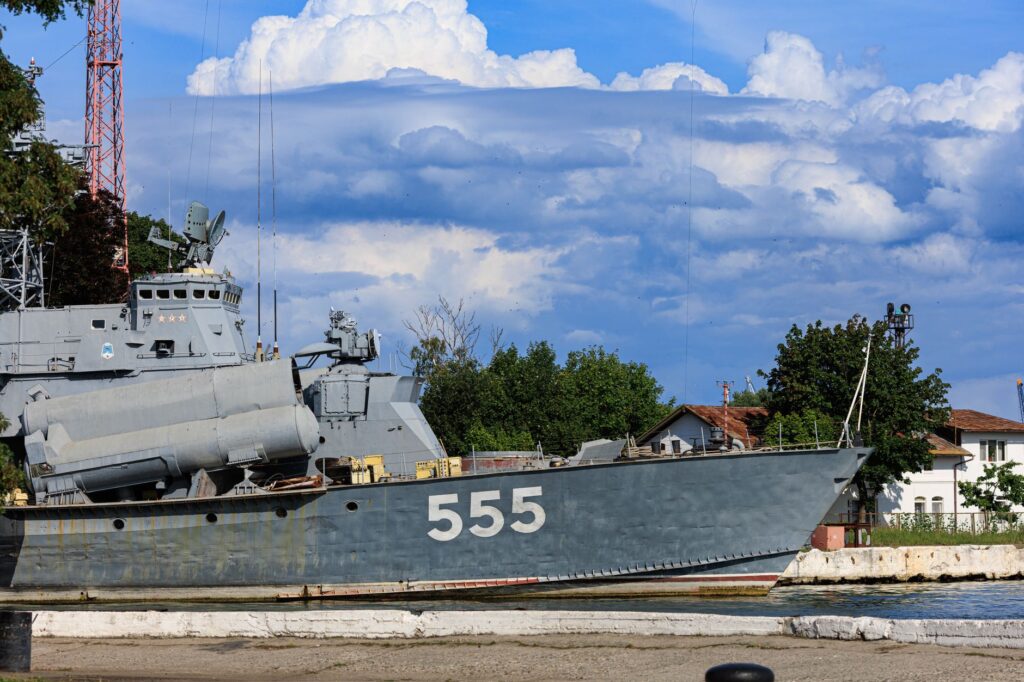
The U.S. Navy is formally studying three foreign-designed frigates as it explores ways to expand its surface combatant inventory more rapidly than domestic shipbuilding timelines currently allow, according to a report by The War Zone. The effort reflects growing institutional pressure to field more hulls in the near term amid rising fleet demand, particularly as Gulf hostilities and broader great-power competition strain existing surface force commitments.
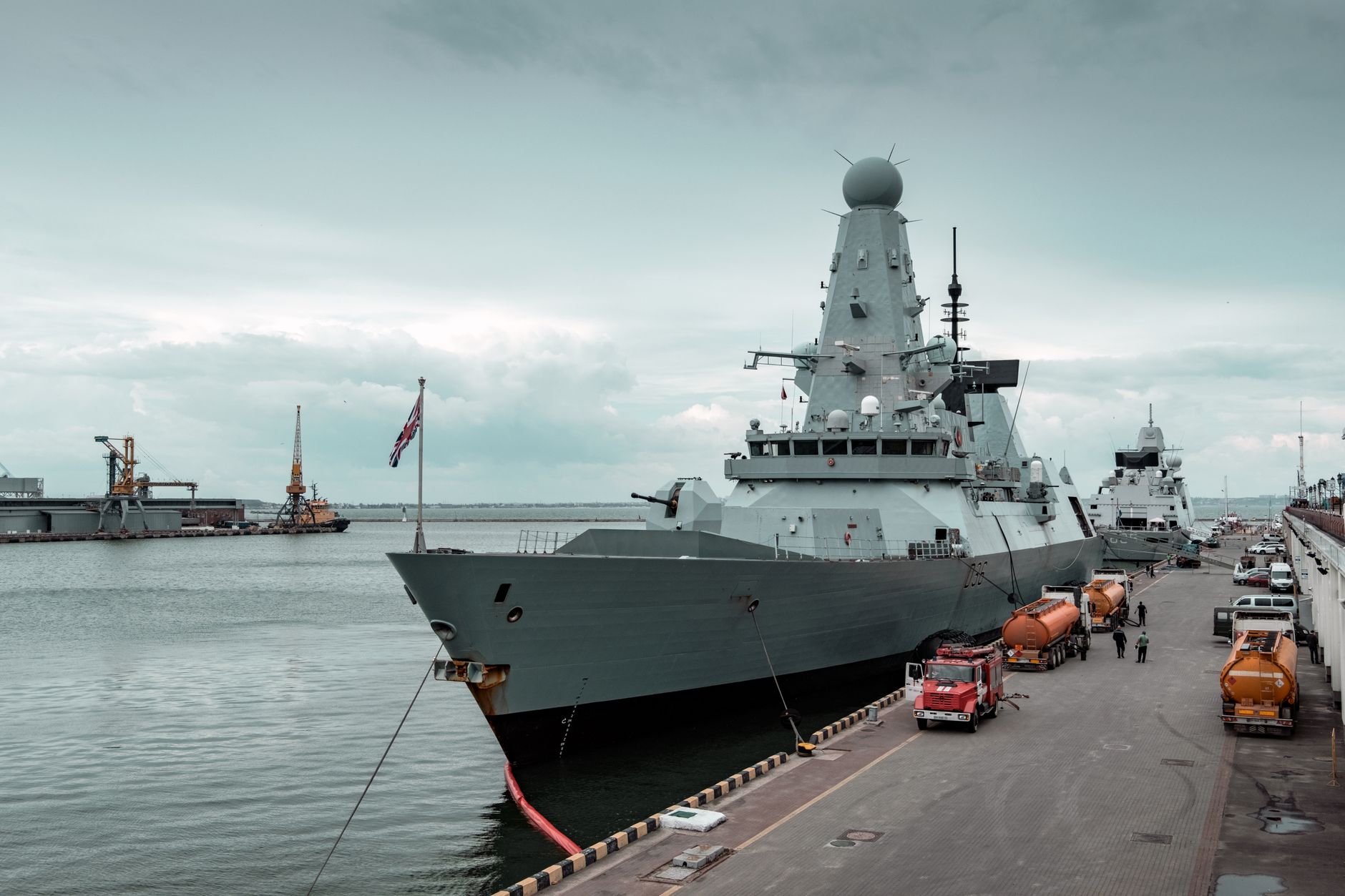
The three platforms under study are the FREMM multi-mission frigate, which is already the basis for the U.S. Navy’s own Constellation-class frigate program; Spain’s F-110 frigate; and the Type 31 frigate developed by the United Kingdom. Each represents a mature or near-mature allied design with varying levels of NATO interoperability and differing sensor and weapons integration architectures. The Navy has not publicly confirmed a formal acquisition program or competitive down-select process tied to this study, and officials have not specified which offices or commands are leading the analytical work.
PAE Maritime’s Public Disclosure
The study’s existence gained wider visibility through an industry announcement from PAE Maritime, in which the company disclosed its involvement in assessing the foreign frigate designs for possible U.S. Navy service.
The company’s involvement suggests the study extends beyond paper analysis into practical questions of sustainment, configuration management, and Americanization — the process of modifying foreign platforms to integrate U.S.-standard combat systems, communications, and crew accommodations. That process has historically added significant cost and schedule risk to allied-design acquisitions, a factor that will weigh heavily on any formal recommendation that may follow.
Strategic Context and Fleet Pressures
The impetus for examining foreign designs is not new, but it has intensified as the Constellation-class program has experienced schedule delays that pushed initial delivery timelines further into the decade. The Navy’s battle force inventory has remained under sustained pressure, and planners have openly discussed the need to find bridging solutions. Studying allied frigates represents one avenue — potentially a faster path to additional hulls if a suitable design can be acquired, modified, and crewed without duplicating the full Constellation development timeline. The trainer jet competition delay earlier this year illustrated how U.S. defense acquisition timelines can slip, reinforcing the appeal of leveraging mature foreign designs.
Each of the three platforms carries distinct trade-offs. The FREMM’s lineage is directly embedded in the Constellation program, which could ease integration but may also blur the distinction between a foreign-buy option and simply accelerating domestic production. Spain’s F-110 is a next-generation design still maturing, while the UK’s Type 31 is further along toward operational service with the Royal Navy. Officials have not confirmed which, if any, of the three designs would be recommended for procurement, and The War Zone noted that the study does not guarantee a formal acquisition decision will follow. For now, the examination represents an analytical hedge — a way to keep options open as the Navy navigates competing budget, schedule, and readiness demands across its surface force.