Germany Hands Over Israel’s Sixth and Final Dolphin-Class Boat, Equipped with a New Strike Capability
TKMS delivers INS Drakon, the sixth and last Dolphin-class submarine, to Israel, introducing a new missile capability to the fleet.

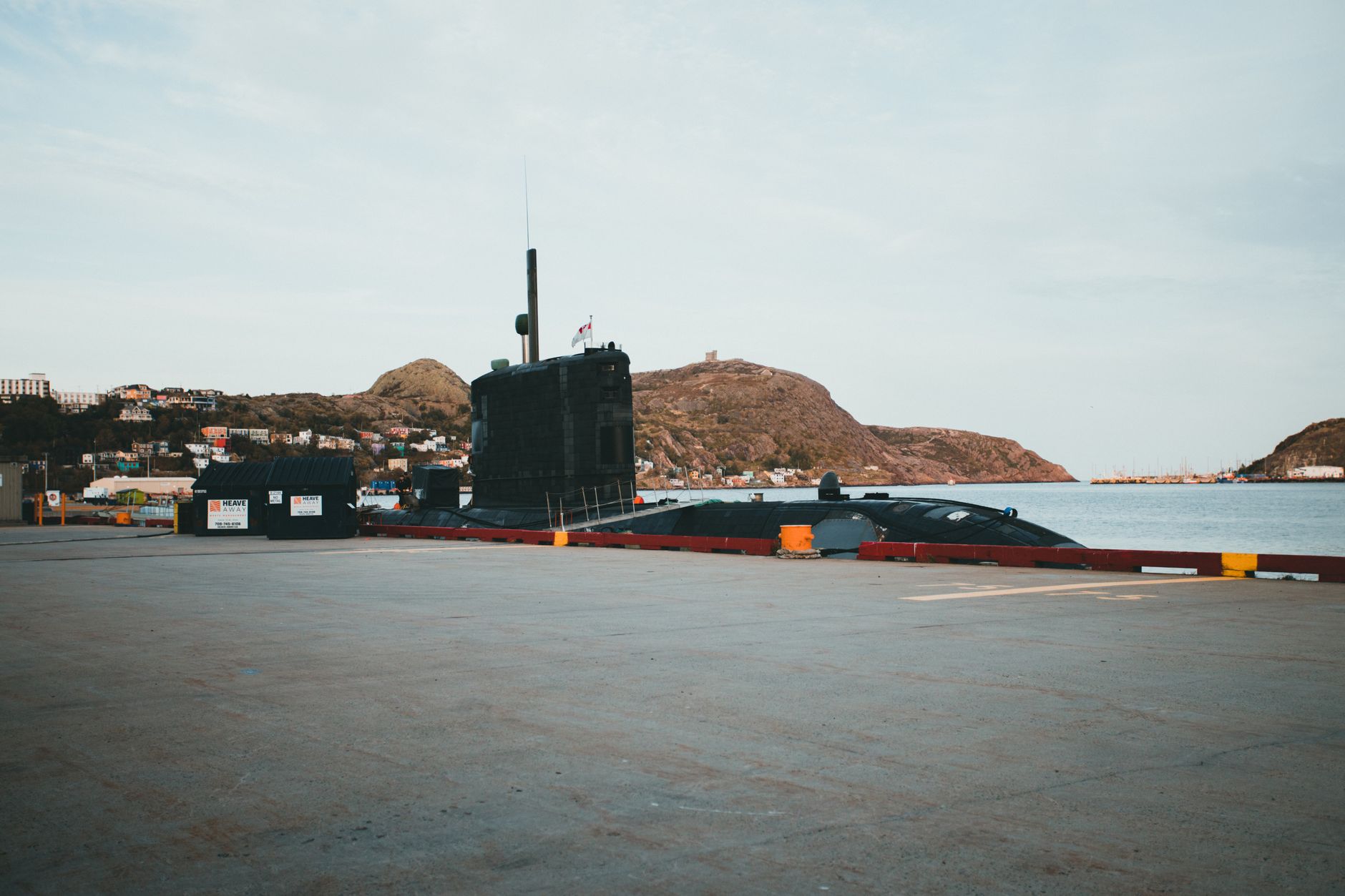
ThyssenKrupp Marine Systems (TKMS) has delivered INS Drakon to Israel, completing a submarine acquisition program that has defined the Israeli Navy’s undersea force for three decades. The handover, reported by Naval News, marks the transfer of the sixth and final Dolphin-class vessel and introduces a new missile capability not previously fielded on earlier boats in the class. For context on how regional tensions have shaped Israeli defense procurement priorities, GDD’s earlier coverage of Gulf hostilities illustrates the operational environment into which Drakon enters service.
The Dolphin class has been built by TKMS at its Kiel shipyard in Germany, with deliveries spanning from the 1990s through the present program. INS Drakon is the third of the more capable Dolphin II variant, which features air-independent propulsion (AIP) that extends submerged endurance significantly compared to the original three boats. The addition of a new missile capability on Drakon, as reported by Naval News, represents a further evolution of the platform, though Israeli defense officials have not publicly confirmed the specific weapon system involved or its technical parameters — a reflection of Israel’s longstanding policy of ambiguity regarding its submarine-based strike options.

A Program Decades in the Making
The Dolphin program traces its origins to a German government decision in the early 1990s to subsidize submarine construction for Israel, with the first two boats delivered as a grant and subsequent vessels procured through a cost-sharing arrangement between the German and Israeli governments. The financial structure of the program has evolved across successive tranches, though the exact subsidy breakdown for Drakon has not been disclosed publicly. What has remained consistent is the role of TKMS — formerly known as Howaldtswerke-Deutsche Werft, or HDW — as the prime contractor and builder throughout the program’s lifespan.
The Dolphin II submarines, of which Drakon is the third example following INS Tanin and INS Rahav, are understood to be among the most capable conventional submarines in the region. Their AIP systems allow extended covert patrol durations without snorkeling, increasing tactical flexibility and survivability in contested littoral environments. The boats also feature ten torpedo tubes — four larger-diameter tubes in addition to the standard complement — a configuration that has fueled longstanding public speculation about the class’s potential to deliver cruise missiles, though Israel has never officially confirmed such a capability. Naval News reported that Drakon features a new missile capability, but specifics were not detailed in the source reporting.
Industrial and Strategic Implications of the Final Delivery
With Drakon’s handover, TKMS closes out a program that has been central to the German defense-industrial relationship with Israel for roughly thirty years. The completion of the sixth boat does not automatically translate into follow-on orders; Israeli defense officials have not confirmed whether a next-generation submarine program is under active negotiation, though discussions about a successor class — sometimes referred to in open sources as the Dakar class — have been publicly referenced in prior years. Any such program would represent a substantial new contract for TKMS at a time when European submarine demand is rising broadly.
The Israeli Navy’s reception of Drakon also coincides with an increasingly complex undersea competition in the Eastern Mediterranean and Red Sea, where multiple regional and extra-regional powers have expanded or modernized their submarine forces. The Dolphin fleet gives Israel a persistent, survivable platform for deterrence and long-range power projection that complements its air and land-based strike assets. Israel’s broader defense-industrial ecosystem continues to attract international attention; GDD’s earlier reporting on Israel Aerospace Industries illustrated the tensions between commercial ambition and state-secrets constraints that characterize the sector. Whether Drakon’s new missile capability represents a domestically integrated system or a foreign-sourced weapon remains unconfirmed by official sources.