German Navy Puts Naval LORA Through Its Paces in Live Ballistic Missile Firing
Germany’s navy conducts a live firing of IAI’s Naval LORA ballistic missile, marking a significant milestone for European long-range naval strike.

Germany’s navy has conducted a live firing of Israel Aerospace Industries’ Naval LORA ballistic missile system, Naval News first reported, marking what amounts to a milestone for the German fleet’s long-range precision-strike capability. The test represents one of the most consequential live-fire events for the Bundesmarine in recent memory, validating a weapon system that Berlin has been evaluating as part of broader efforts to extend the reach and lethality of its surface combatants. For IAI, whose complex corporate trajectory has drawn scrutiny in other contexts, the successful firing reinforces Naval LORA’s standing as a mature, exportable naval strike option — a dimension explored separately in coverage of IAI’s market ambitions.
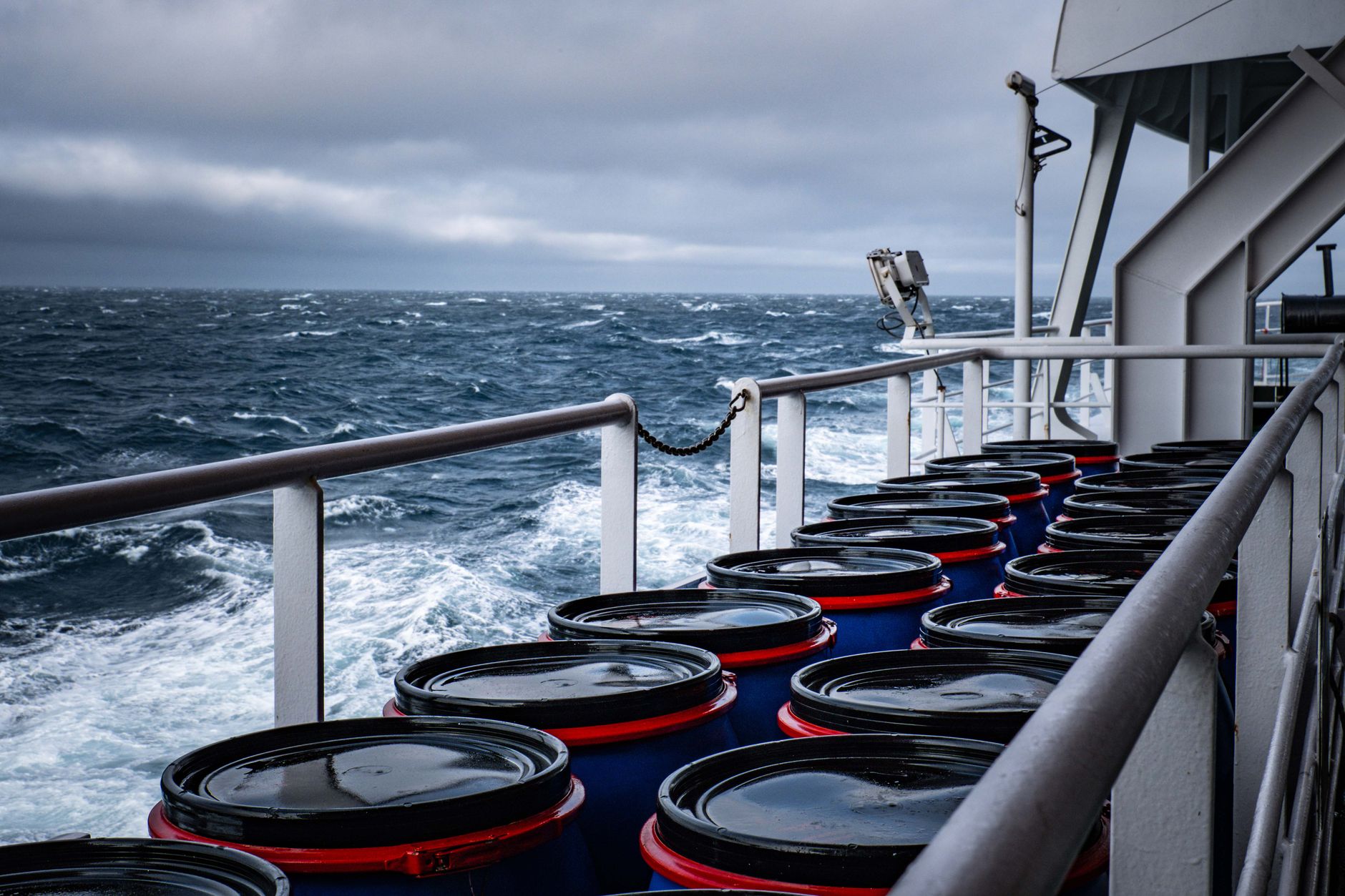
Naval LORA — Long Range Attack — is a ship-launched ballistic missile designed to engage high-value land targets at ranges that conventional naval cruise missiles or gun systems cannot reach. The system is built around a containerized launcher that can be installed on a range of surface platforms without requiring dedicated vertical-launch infrastructure, lowering the integration barrier for navies that lack purpose-built strike ships. IAI has described the missile as capable of delivering precision strikes with a compact warhead under GPS-aided inertial guidance, though German and Israeli officials have not publicly confirmed the precise parameters of the configuration used in the German test.
What the Test Establishes for the German Fleet
The firing is significant not only as a technical proof-of-concept but as a signal of operational intent. Germany has accelerated investment in high-end naval capability since Russia’s full-scale invasion of Ukraine in 2022 reshaped European threat assessments, and a proven long-range ballistic strike option fits directly into the Bundesmarine’s evolving deterrence posture in the Baltic and North Sea theaters. Acquiring the ability to hold shore-based targets at extended range from a surface vessel changes the calculus for any adversary planning to contest those waters.
The containerized form factor of Naval LORA is a notable feature from an operational-planning standpoint. Because the launcher does not require deep structural integration, Germany could potentially deploy the system across multiple hull types or even non-traditional platforms, giving fleet commanders flexibility that fixed vertical-launch arrangements do not offer. Officials have not confirmed which vessel class hosted the test firing, nor have they detailed whether a procurement contract is already in place or whether the test was part of a broader evaluation phase.
Industrial and Strategic Dimensions
For IAI, the German firing extends Naval LORA’s export record beyond its earlier customers and places it in the inventory — or at minimum the active evaluation pipeline — of a NATO heavyweight. Germany’s validation of the system will be watched closely by other European navies weighing long-range naval strike options at a moment when the continent is reassessing the depth and range of its own conventional deterrent. The growing European appetite for Israeli-developed defense systems, already evident in Greece’s substantial air-defense commitment, provides broader context for why IAI has prioritized NATO-nation partnerships.
The test also arrives as European defense budgets are being stretched across competing modernization priorities — air defense, ground maneuver, logistics, and now extended naval strike. Germany’s decision to invest evaluation resources in Naval LORA suggests Bundesmarine planners believe the long-range surface-strike gap is urgent enough to pursue on a relatively fast timeline rather than waiting for a domestically developed or European consortium solution. Whether the firing leads to a formal acquisition announcement, and on what schedule, has not been disclosed by either German defense officials or IAI.