Washington Escalates Sanctions Pressure on Tehran, but Enforcement Hinges on Beijing’s Cooperation
The Trump administration is tightening financial pressure on Iran, but analysts warn the campaign’s success depends on whether China complies.

The Trump administration is intensifying its economic campaign against Iran, rolling out a new wave of sanctions designed to choke off the revenue streams that fund Tehran’s military programs and its network of regional proxies. According to Calcalist Tech, the effort represents what officials are framing as a deliberate “financial attack” on the Islamic Republic — a coordinated pressure campaign that goes beyond previous rounds of maximum-pressure enforcement. The strategic logic is familiar, but the scale and ambition of the current push are drawing fresh scrutiny from analysts who track US-Iran tensions.
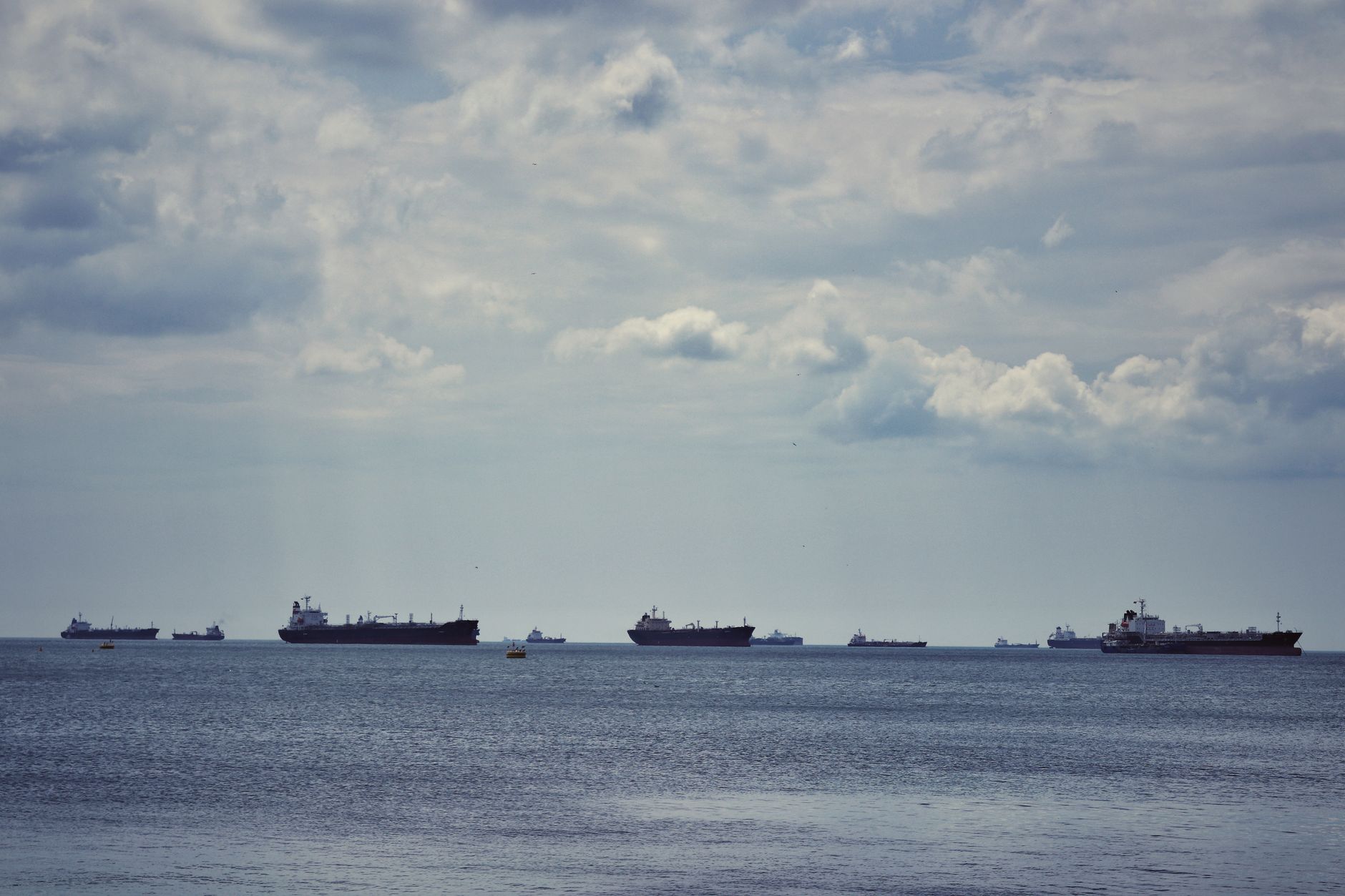
The new measures target Iran’s oil export infrastructure and the financial intermediaries that allow Tehran to convert crude sales into hard currency, according to the Calcalist Tech report. Sanctions designations are being applied to tankers, shipping networks, and the front companies that obscure the origin of Iranian petroleum as it moves through global markets. Treasury Department officials have described the effort as a sustained financial siege rather than a one-time enforcement action.
The Architecture of Enforcement
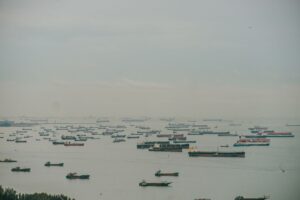
Sanctions are only as effective as the willingness of third-party economies to honor them, and that is where the current campaign faces its most consequential test. China remains by far the largest buyer of Iranian oil, and much of the trade flows through informal channels — shadow fleets, price discounts, and payment systems that deliberately avoid dollar-denominated transactions. Without meaningful pressure on Chinese buyers and the financial institutions that service them, the Calcalist Tech analysis notes, Washington’s designations risk becoming largely symbolic.
The administration has signaled it is prepared to pursue secondary sanctions against entities in China and elsewhere that continue doing business with Iranian oil exporters. Secondary sanctions — penalties imposed on non-American companies for transactions that occur entirely outside the United States — are among the most aggressive tools in Washington’s economic arsenal, and their use against Chinese firms would mark a significant escalation in an already strained bilateral relationship. Whether the administration follows through, and how Beijing responds if it does, will define the practical ceiling of the financial pressure campaign.
Strategic Stakes Beyond the Oil Market
The financial pressure campaign sits within a broader contest over whether economic coercion can constrain Iranian behavior without direct military action. Iran’s oil revenues underwrite not only its conventional military modernization but also its support for armed groups across the Middle East, making the financial channel a genuine strategic target rather than simply a punitive measure. The Calcalist Tech report frames the current effort as the most aggressive iteration of economic warfare the United States has attempted against Tehran, calibrated to deny resources before they can be converted into military or proxy capability.
Analysts quoted in the Calcalist Tech piece caution that the campaign’s internal logic is sound but that execution is everything. Prior maximum-pressure cycles succeeded in reducing Iranian oil exports sharply, but revenues recovered as workarounds matured — particularly as China expanded its willingness to absorb discounted Iranian crude outside the dollar system. That dynamic has not changed structurally, which means the durability of the current pressure wave will be measured not by how many entities Treasury designates, but by how much Iranian revenue actually declines in the months ahead. The geopolitical dimension extends well beyond Iran itself: the administration’s handling of secondary sanctions enforcement will send signals to Beijing about American economic resolve at a moment when Chinese military ambitions are drawing intensifying attention across the Indo-Pacific.