Taiwan Drills Its Soldiers to Hold Ground Block by Block, With Civilians Still in the Streets
Taiwan’s Han Kuang exercises are moving into live civilian neighborhoods, testing troops on urban warfare tactics amid normal daily activity.
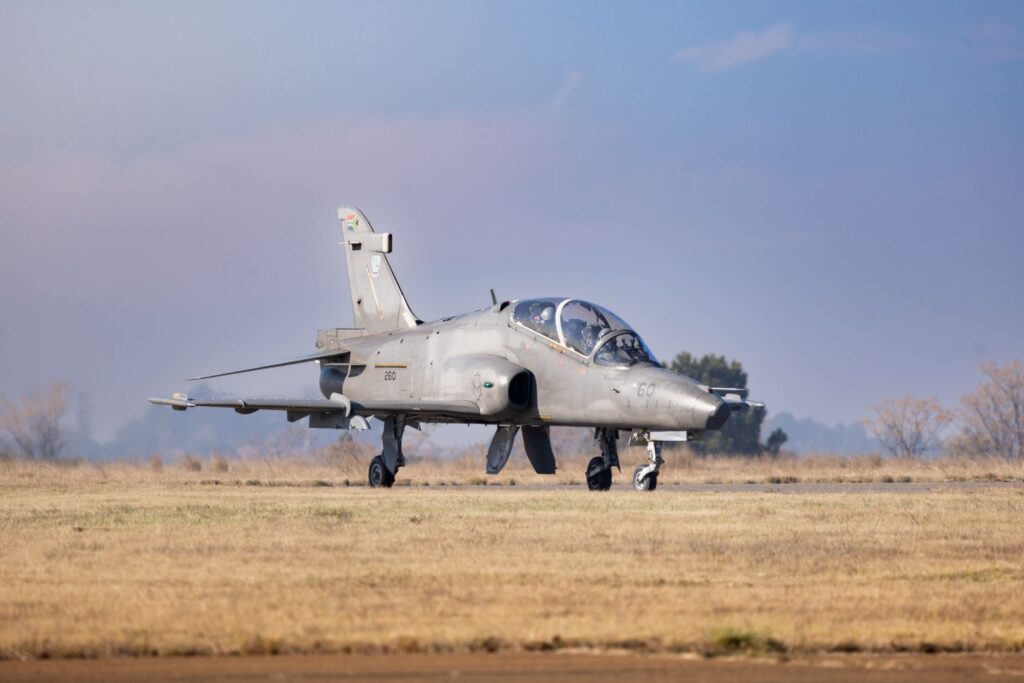
Taiwan’s military is conducting live combat drills inside functioning residential and commercial neighborhoods, training soldiers to fight and hold urban terrain even as ordinary civilians go about their daily routines. The exercises, part of Taiwan’s annual Han Kuang war games, mark a deliberate shift toward preparing ground forces for the kind of street-level defensive fighting that would characterize any Chinese invasion of the island’s densely populated cities, according to a Business Insider report on the drills. As Beijing’s military buildup continues to draw concern across the Indo-Pacific, Taiwan’s defense planners are clearly betting that the next conflict, if it comes, will not be settled at the water’s edge alone. The exercises connect directly to broader anxieties about China’s naval expansion, which would support any amphibious assault on the island.
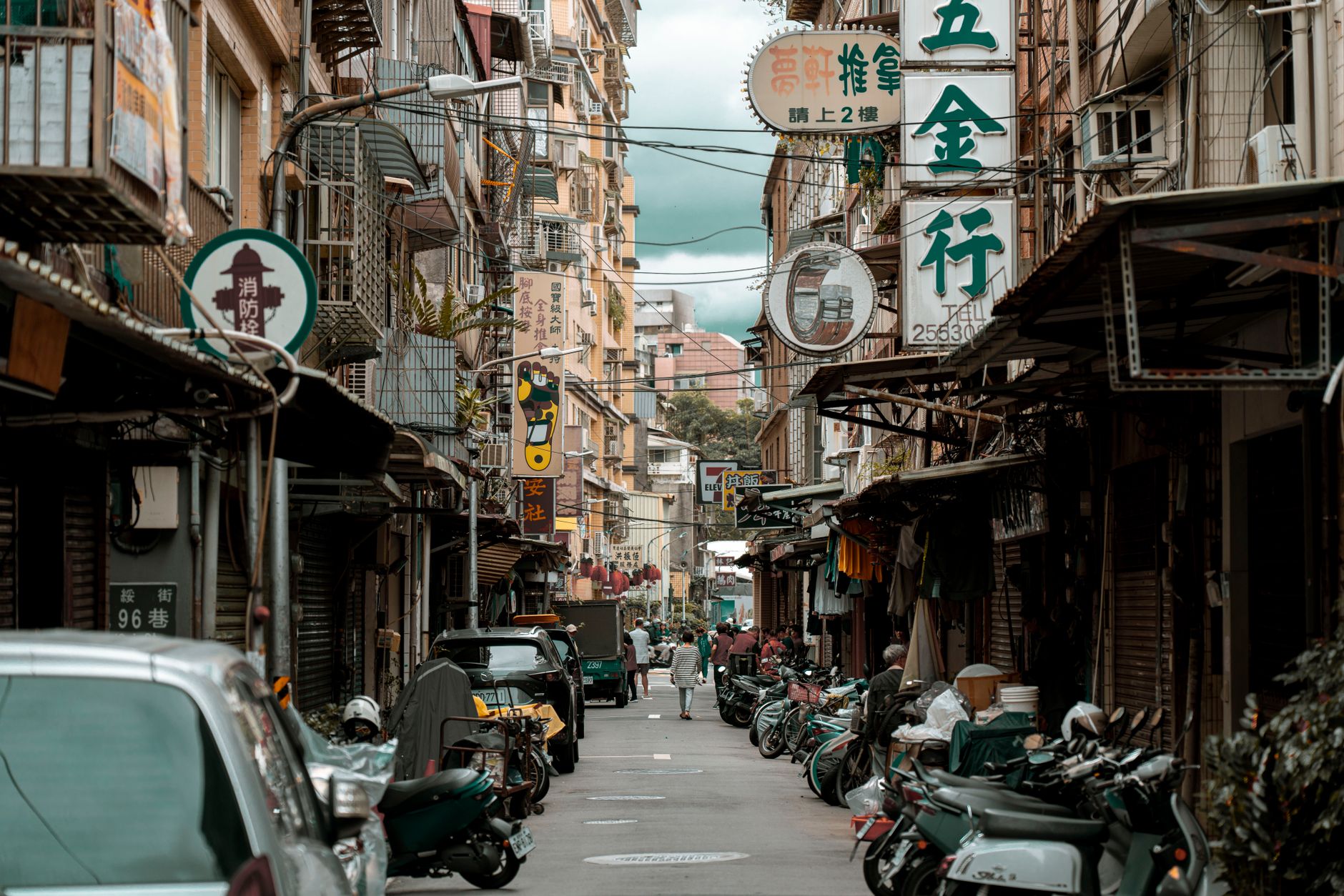
Training Where the Fight Would Actually Happen
The decision to conduct drills in active civilian areas rather than controlled base environments is operationally significant. Urban combat is among the most demanding forms of warfare — it slows mechanized forces, fragments unit cohesion, and demands soldiers make split-second decisions about threats in cluttered, ambiguous environments. By embedding exercises in real neighborhoods, Taiwan’s military is exposing troops to the noise, sight lines, and spatial complexity they would actually face, rather than sanitized analogues on a training range.
Business Insider’s reporting describes soldiers maneuvering through streets and around buildings while local residents and businesses continue operating nearby. The approach is consistent with a broader Taiwanese strategic concept that treats the island’s urban geography — its dense cities, narrow corridors, and layered infrastructure — as a defensive asset rather than a liability. The logic mirrors doctrines developed in other nations that have studied recent urban conflicts: an attacker who must clear city block by city block pays an enormous price in time, personnel, and equipment.
Han Kuang’s Expanding Ambitions
Han Kuang is Taiwan’s largest and most comprehensive annual military exercise series, designed to stress-test the island’s joint defense capabilities across multiple warfighting domains. In recent iterations, the exercises have grown in scope and realism, incorporating scenarios that go beyond conventional force-on-force engagements to include resilience, civil-military coordination, and now sustained urban defense. Officials have not publicly specified which cities or districts hosted this year’s neighborhood-level drills, and the military has not released detailed after-action data from the exercises.
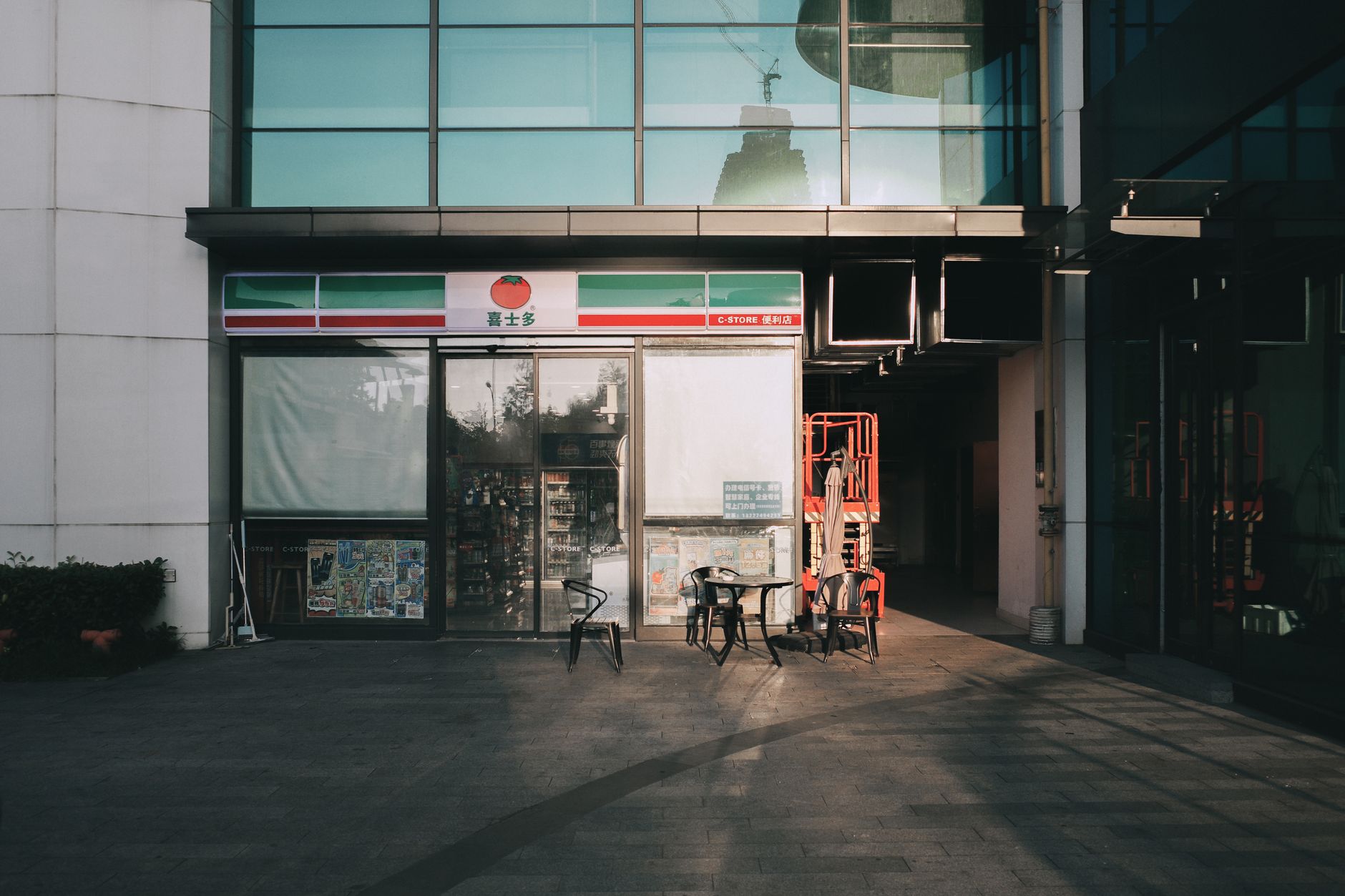
The public nature of the drills carries a signaling dimension as well as a practical one. Conducting exercises in view of the civilian population reinforces the concept that defense of the island is a societal undertaking, not a task cordoned off from everyday life. That framing aligns with Taiwan’s broader whole-of-society defense reforms in recent years, which have sought to strengthen civil preparedness alongside military readiness. The willingness to accept some friction with normal civilian activity — traffic disruptions, unfamiliar military presence in commercial districts — suggests Taiwanese planners are prioritizing operational authenticity over convenience. Whether these exercises translate into measurably improved urban warfare proficiency will depend on factors that public reporting has not yet addressed, including the frequency of the drills, the units rotated through them, and how the results feed back into doctrine and training curricula. What is clear is that Taiwan is no longer treating urban terrain as a backdrop. It is treating it as the battlefield. For context on how Beijing is developing its own advanced military tools, China’s robotics programs illustrate the breadth of capabilities Taiwan’s planners must account for.