Taiwan’s Defense Budget Climbs to $35 Billion as Cross-Strait Pressure Mounts
Taiwan has proposed a record $35 billion defense budget, marking its largest military spending request as tensions with Beijing remain elevated.
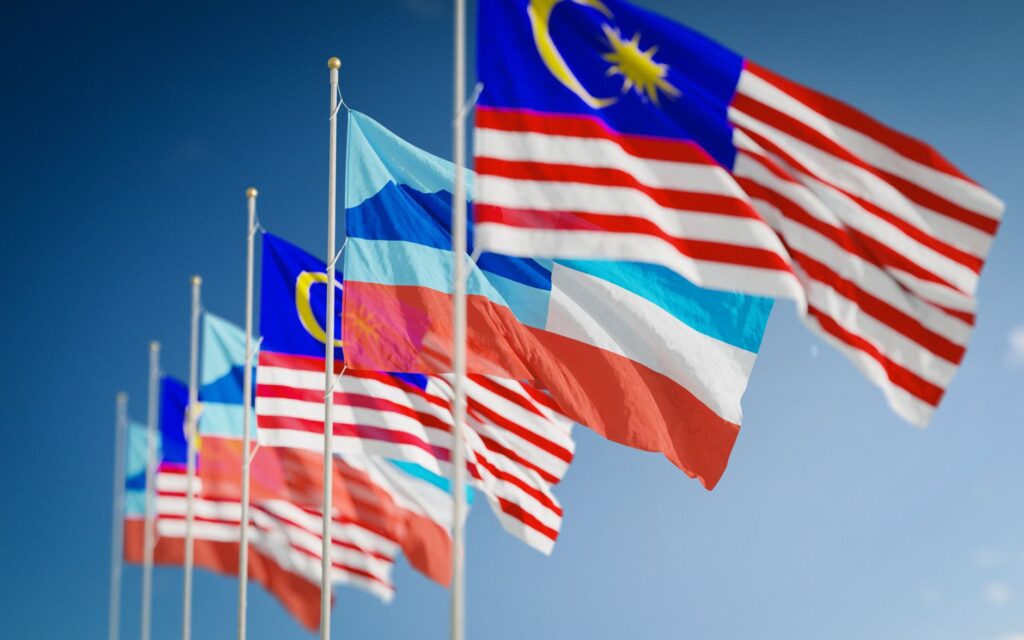
Taiwan has submitted a record-breaking defense budget proposal of $35 billion, the largest in the island’s history, as Taipei seeks to accelerate military modernization and sustain deterrence against an increasingly assertive Beijing. The proposal, Breaking Defense reported, signals a significant escalation in the pace and scale of Taiwan’s defense investment at a moment of sustained cross-strait tension. The figure represents a meaningful jump from prior defense spending levels and reflects growing urgency within the government to close capability gaps against the People’s Liberation Army. The request still requires legislative approval before it takes effect.
The announcement arrives against a backdrop of intensifying great-power rivalry in the Indo-Pacific, where Washington’s own strategic posture is under active reassessment — including debates over alliance exercises and force commitments across the region. Taiwan’s willingness to propose spending at this scale also carries a diplomatic dimension, reinforcing to U.S. lawmakers and defense officials that Taipei is prepared to shoulder a larger share of its own defense burden — a prerequisite that has grown more politically important in Washington in recent years.
What the Budget Is Designed to Fund
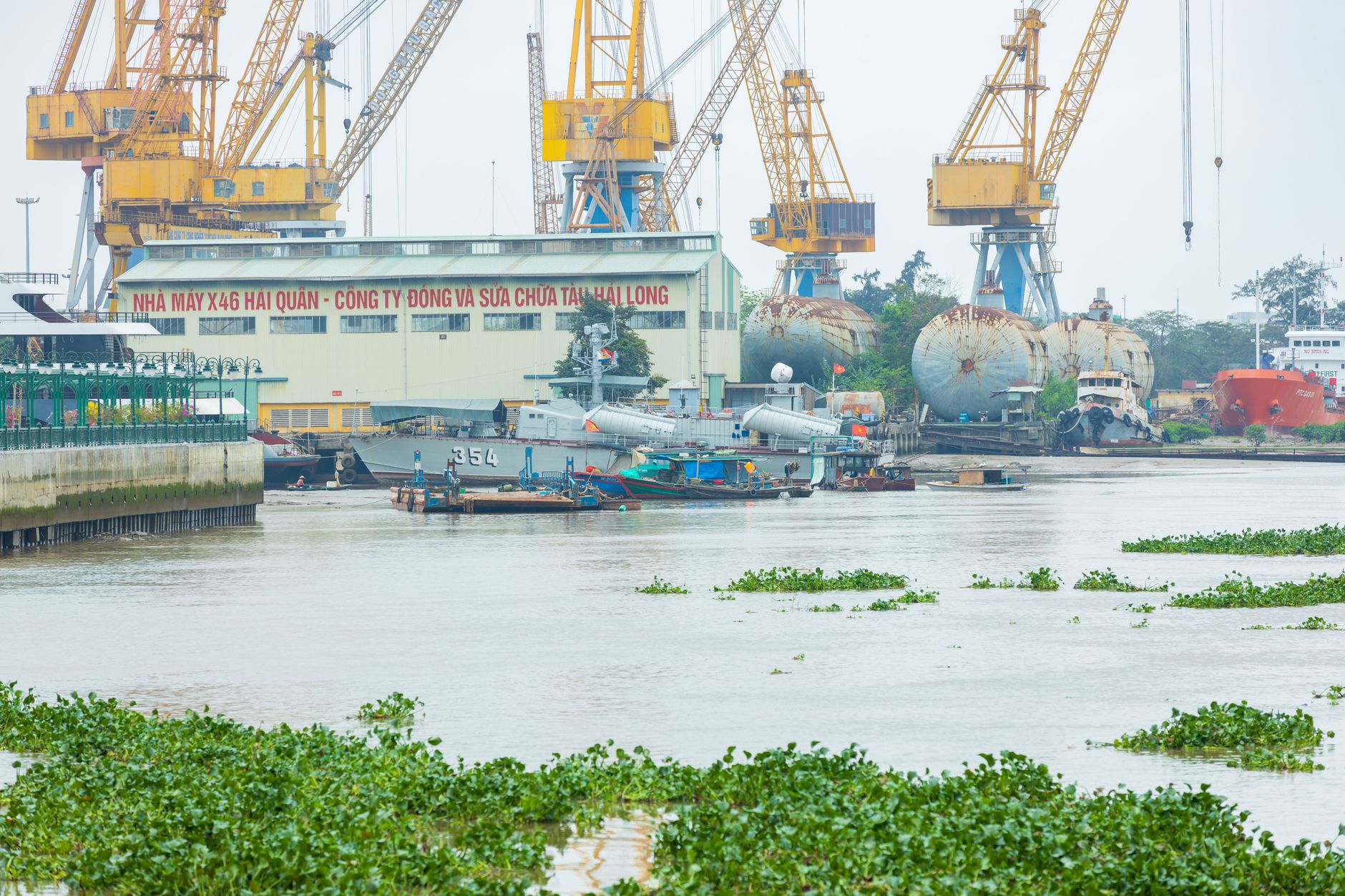
According to Breaking Defense’s reporting, the proposed budget is intended to fund a broad range of military modernization priorities. Procurement of additional indigenous defense systems, expansion of the island’s asymmetric warfare capabilities, and investments in air defense infrastructure are among the categories driving the increased request. Taiwan has pursued a layered approach to deterrence — combining high-end platforms with smaller, harder-to-target systems — and the new budget would accelerate that effort across multiple domains.
Officials have not publicly itemized every line of the proposal, and specific contract awards or delivery schedules tied directly to the new funding level had not been confirmed at the time of reporting. The scale of the request nonetheless indicates that Taipei is moving beyond incremental annual increases toward a more structural commitment to sustained higher spending. That shift in posture matters operationally: sustained budgets allow multi-year contracts, which in turn enable industrial base planning that single-year appropriations cannot support.
Strategic Context and Regional Implications
The proposal comes as China’s military modernization continues at a pace that has drawn sustained attention from defense planners across the Indo-Pacific. Beijing’s expanding naval and air capabilities — including advances in its missile forces and power-projection platforms — have placed Taiwan’s defense establishment under growing pressure to respond with credible, survivable capabilities of its own. The record budget is, in part, a direct response to that trajectory. How Beijing characterizes the proposal diplomatically remains to be seen, but PLA activity near Taiwan has remained elevated across recent years regardless of Taipei’s spending level.

The regional significance extends beyond the Taiwan Strait. Allied governments and partner militaries throughout the Indo-Pacific are watching how Taiwan converts this spending proposal into actual capability. U.S. strategy toward the region increasingly emphasizes the need for partners to contribute meaningfully to their own defense, and a $35 billion Taiwanese defense budget — if approved and executed — would represent a concrete demonstration of that principle. Whether the legislature passes the request intact, reduces it, or attaches conditions will determine how quickly Taipei can translate the proposal into operational effect.