Fewer US Warships Are Transiting the Taiwan Strait — and That Shift Is Drawing Scrutiny
The pace of US naval transits through the Taiwan Strait has slowed. Analysts are debating whether that signals strategic restraint or strategic retreat.
The United States Navy is sailing through the Taiwan Strait less frequently than it once did, a trend that is prompting serious questions in Washington and Taipei about what the shift signals to Beijing. According to a Breaking Defense analysis, the pace of American transits through the 110-mile waterway separating mainland China from Taiwan has declined in a measurable way, even as tensions in the broader Indo-Pacific have remained elevated. The development has become a flashpoint in an ongoing debate over how the United States communicates resolve — and whether operational restraint risks being read as political retreat. As own defense preparations grow more urgent and concrete, the question of what Washington’s naval signaling actually communicates carries real operational weight.
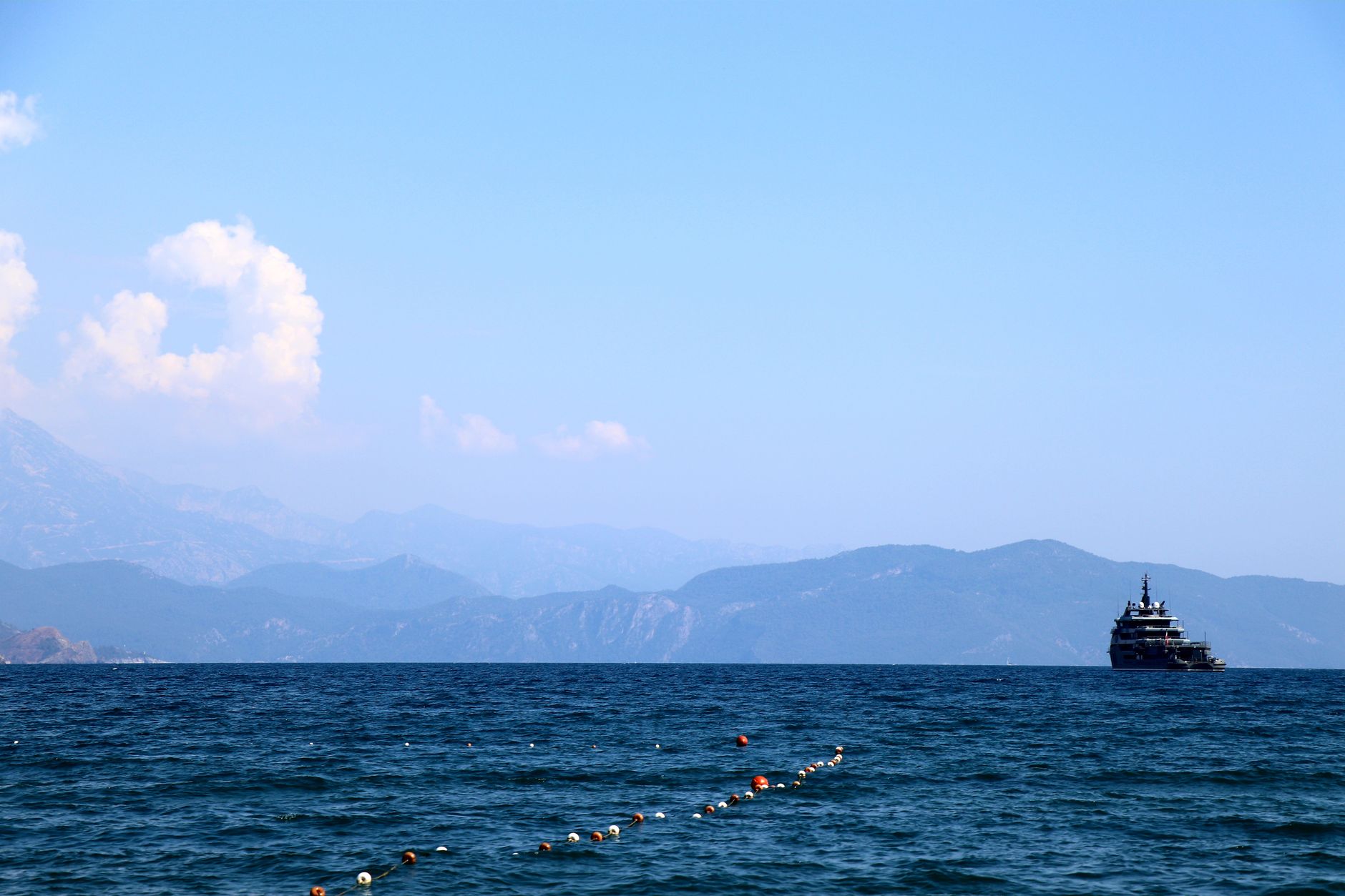
The transit route has long been treated as a test of American commitment to freedom of navigation and to Taiwan’s de facto security. Each passage by a US surface vessel asserts that the strait is an international waterway, a legal and political argument that China disputes. Fewer transits, even if driven by operational scheduling or diplomatic calculation, can complicate that message — particularly when Beijing watches the data as closely as any think tank in Washington does.
Why the Numbers Have Shifted
Breaking Defense reports that officials and analysts offer competing explanations for the slowdown. Some argue it reflects a deliberate recalibration — a decision to avoid provoking Beijing unnecessarily at moments of diplomatic sensitivity, or to reduce the risk of an incident in a narrow and heavily monitored body of water. Others contend it is a byproduct of fleet-wide operational demands, with the Navy stretched across multiple theaters and unable to dedicate ships to transits that carry symbolic weight but no immediate tactical mission.
Neither explanation is entirely satisfying to Taiwan’s supporters, who argue that the symbolic dimension of the transits is precisely the point. The strait passage has served as a low-cost, high-visibility demonstration of American presence for years. A decline in frequency, whatever its cause, hands Beijing a data point it can use — internally and externally — to argue that American resolve in the region is softening. Officials have not confirmed any formal policy change governing the frequency of transits, according to the Breaking Defense report.

Strategic Stakes and the Signaling Dilemma
The debate over transit frequency sits inside a larger and more uncomfortable question: how much does peacetime signaling actually shape adversary calculations? A Defense One piece examining intelligence and strategic surprise in the region underscores the difficulty of reading intent accurately in a high-stakes environment where both sides are watching for signals of weakness or overreach. That interpretive uncertainty cuts both ways — restraint meant to lower temperatures can register as hesitation, while assertiveness can accelerate escalation dynamics the US is trying to manage.
For Taipei, the arithmetic is stark. Taiwan has invested heavily in its own conventional deterrent, including armored training exercises designed to prepare for an invasion scenario. But indigenous capability cannot substitute for the credibility that comes from visible American commitment in the strait itself. Analysts cited in the Breaking Defense report note that allies across the region — not just Taiwan — observe the transit data and draw their own conclusions about American staying power in the Indo-Pacific. A pattern, even an unintended one, can harden into a perception that outlasts any single administration’s intent. Whether the current trajectory represents a deliberate strategy or an operational drift, the reporting makes clear that the question will not stay inside the Beltway for long.