UAE Eyes 24 F-35 Joint Strike Fighters as Part of Sweeping Air Force Overhaul
The UAE is pursuing 24 F-35 stealth fighters amid a broader air force restructuring plan revealed at the 2017 Dubai Air Show.

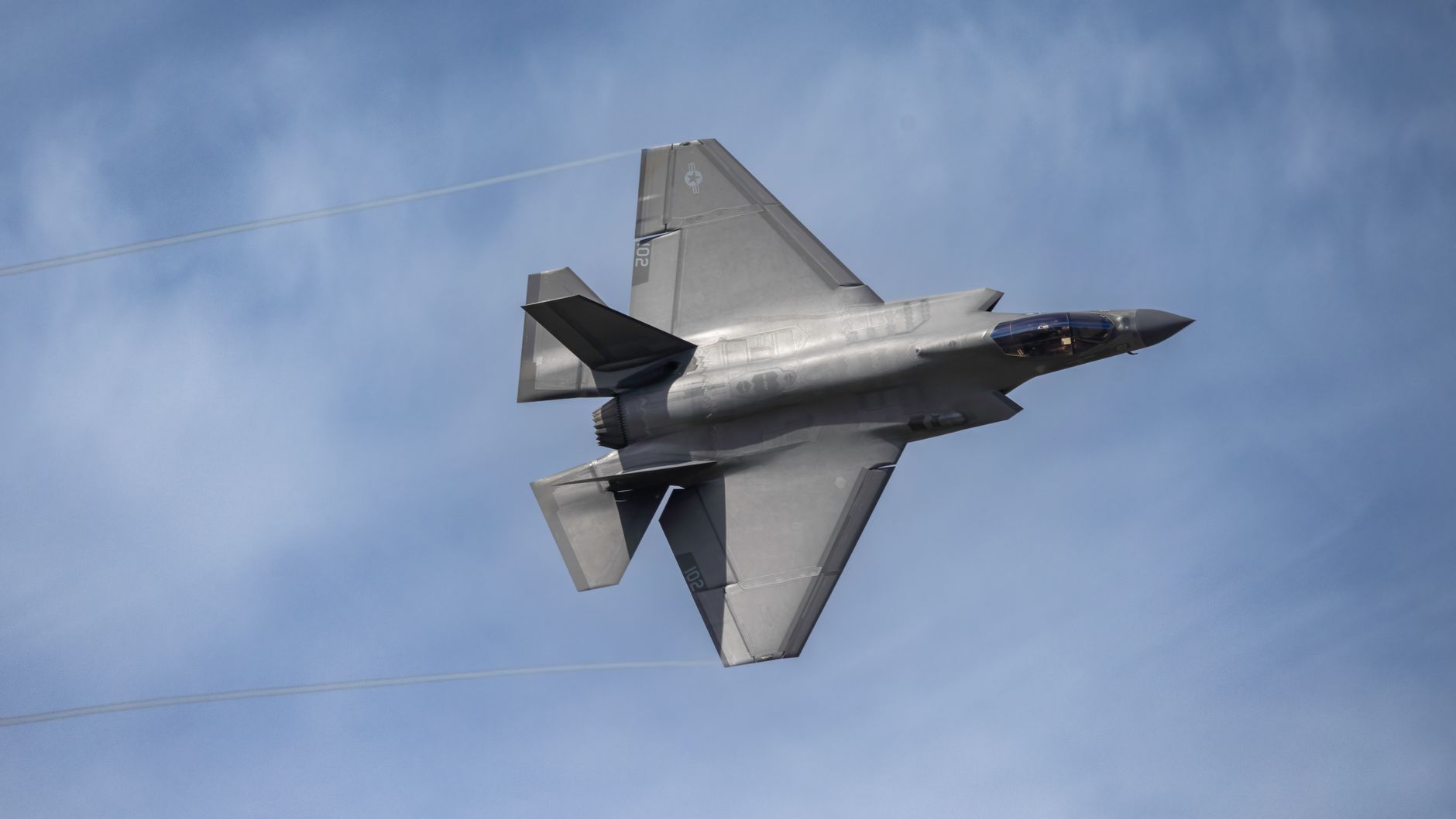
The United Arab Emirates has expressed interest in acquiring 24 Lockheed Martin F-35 Joint Strike Fighters, a move that forms a central pillar of a broader restructuring of the UAE Air Force disclosed during the 2017 Dubai Air Show, according to Defense News reporting on the show’s opening days. The prospective buy would represent one of the most consequential U.S. advanced-fighter transfers to the Gulf region if it proceeds to a formal sale. As Gulf partnerships with U.S. forces deepen, the acquisition would carry significant implications for interoperability and regional air power balance.
Defense News, in its Dubai Air Show daily edition published November 12, 2017, reported the F-35 interest alongside a sweeping plan by UAE leadership to reorganize its air arm. Officials outlined a restructuring framework intended to rationalize the force’s fleet composition and close capability gaps, with the stealth fighter acquisition positioned as a long-term modernization cornerstone rather than a near-term procurement.
Fleet Rationalization at the Core of the Restructuring Plan
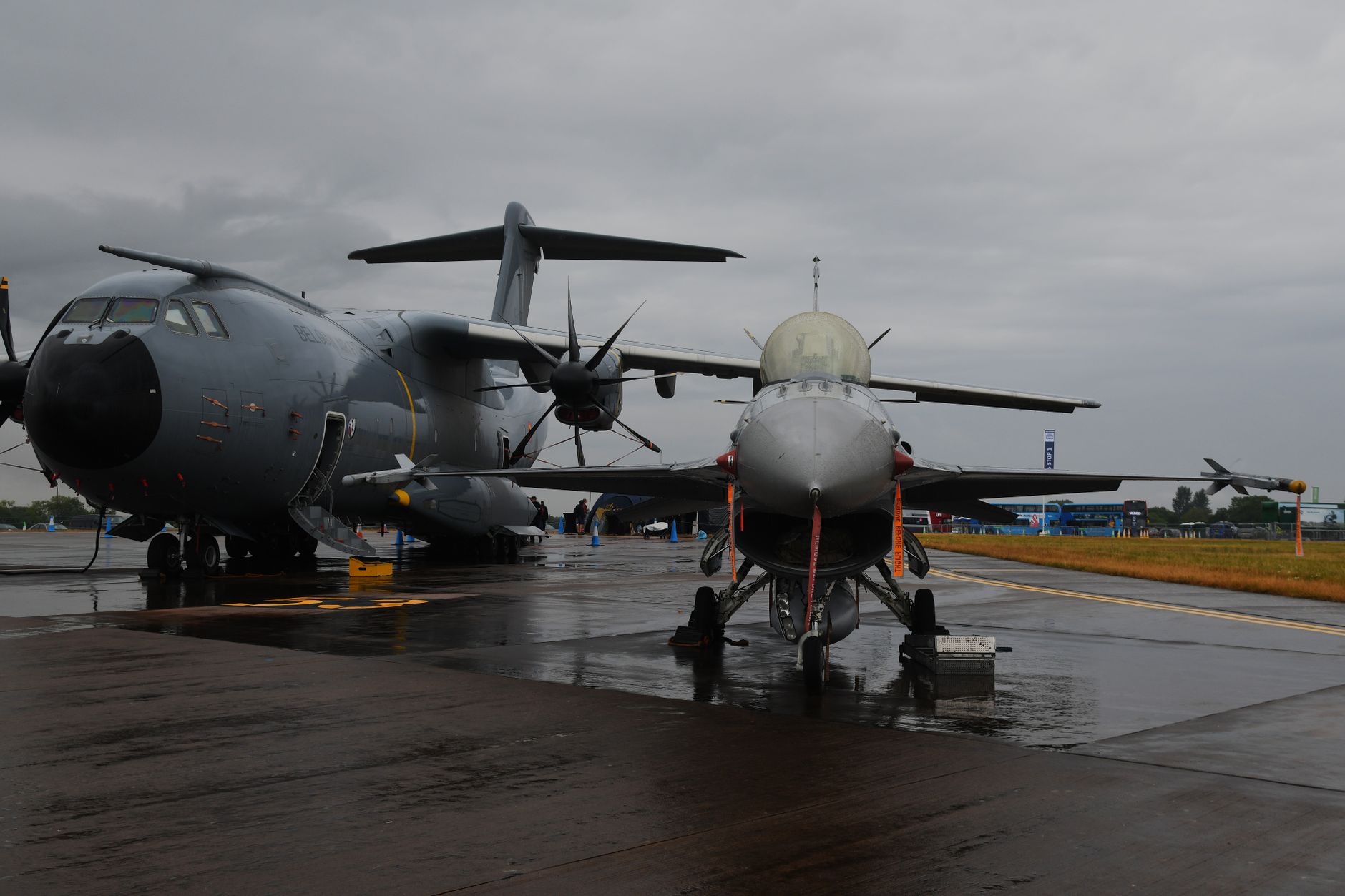
Beyond the F-35 interest, the UAE’s air force restructuring plan described in the Defense News report reflects a deliberate effort to consolidate a diverse and aging fleet into a more cohesive, maintainable force. The UAE operates a mix of Western platforms accumulated over decades of procurement from multiple suppliers, and officials signaled that the restructuring would address the logistical complexity that comes with managing that variety.
The plan positions the UAE as one of the more ambitious military modernizers in the Gulf Cooperation Council, a region where several states have pursued advanced Western combat aircraft in recent years. The restructuring framework, as described at the air show, suggests Abu Dhabi is approaching this not as a piecemeal procurement cycle but as a deliberate, phased transformation of its air combat capability. Officials have not publicly confirmed a formal Letter of Request to the U.S. government for the F-35, a required step under foreign military sales procedures before any deal can advance.
Strategic Weight of an F-35 Sale to the Gulf
A sale of 24 F-35s to the UAE, if ultimately approved by the U.S. government, would carry weight well beyond the bilateral relationship. The F-35’s fifth-generation sensor fusion, low-observable characteristics, and integration with allied networks would materially elevate the UAE’s capacity to operate alongside U.S. and partner forces in a contested airspace environment. It would also mark a notable expansion of the F-35’s footprint in the Middle East, where Israel operates the aircraft as its primary advanced fighter.
U.S. approval of advanced fighter sales to Gulf states has historically involved careful calibration against commitments to maintain Israel’s qualitative military edge, a statutory U.S. obligation. Whether and how the administration at the time weighed those considerations against the UAE request was not detailed in the Defense News report. The article noted the restructuring ambitions without confirming that Washington had received or advanced a formal sale request, leaving the acquisition’s timeline and diplomatic path unresolved at the time of publication. Those sensitivities remain a structuring reality for any F-35 transfer to a non-Israeli Middle Eastern partner, regardless of the operational rationale Abu Dhabi presents. The Indo-Pacific air competition has since intensified demand globally for fifth-generation platforms, adding further pressure on the F-35 production pipeline that any Gulf sale would need to account for.