Britain Spots Anti-Torpedo Netting Draped Over Russia’s Ballistic Missile Submarines at Home Port
UK defense imagery shows Russian ballistic missile submarines at Gadzhiyevo enclosed in protective anti-torpedo netting, a notable shift in port security.

Satellite and reconnaissance imagery released by the United Kingdom’s Ministry of Defence shows Russian nuclear-armed ballistic missile submarines berthed at their home base enclosed within anti-torpedo and anti-diver protective netting — a defensive posture that analysts say reflects Moscow’s heightened concern about the vulnerability of its most strategically sensitive naval assets. The War Zone first reported the development in an article titled “Russian Nuclear Ballistic Missile Submarines Are Now Cocooned In Nets,” noting the unusual and operationally significant nature of the measure. As tensions over Russia’s war continue to generate unpredictable second-order effects across multiple domains, the move signals that Russian military planners are taking seriously the threat of unconventional or underwater attack against their strategic deterrent fleet.
The UK Ministry of Defence shared the imagery release via its official account, providing visual documentation of the netting systems wrapped around what appear to be Borei- and Delta-class submarines at the Gadzhiyevo submarine base on the Kola Peninsula.
What the Netting Reveals About Russian Strategic Concerns
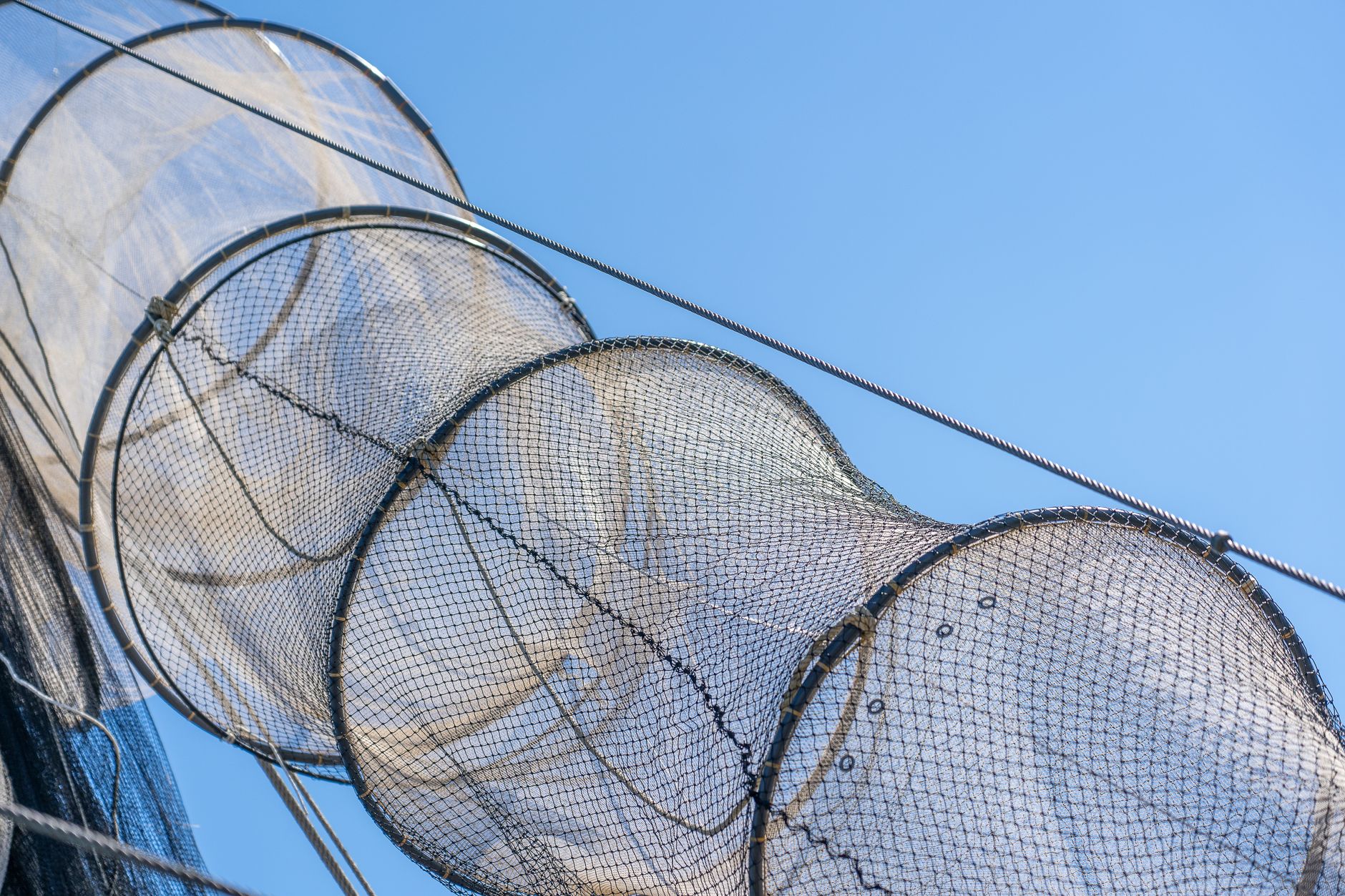
Anti-torpedo nets and anti-diver barrier systems are not new technology, but their deployment around ballistic missile submarines — vessels whose survivability underpins nuclear deterrence — points to a specific and acute concern. According to The War Zone’s reporting, the netting appears designed to protect the submarines from underwater threats while in port, including potential attacks by combat divers or underwater drones. The systems encapsulate the submarines in a physical barrier that would complicate any attempt to place limpet mines, deliver a shaped charge, or deploy a small unmanned underwater vehicle against the hull.
The deployment is consistent with a broader pattern of Russia hardening its strategic assets against unconventional threats since the full-scale invasion of Ukraine in February 2022. Ukrainian forces have demonstrated a willingness and growing capability to strike targets deep inside Russian territory and at sea, including the use of surface and underwater drone systems against Black Sea Fleet assets. The Northern Fleet submarines at Gadzhiyevo are geographically distant from the Ukrainian theater, but the precedent established by Ukraine’s naval drone campaign has evidently registered at the highest levels of Russian military planning.
Strategic Implications for the Nuclear Deterrent
Russia’s sea-based nuclear deterrent depends fundamentally on the assured survivability of its ballistic missile submarines, and any credible threat to those vessels while in port carries strategic weight disproportionate to the tactical means required to execute it. The fact that Russia is visibly reinforcing in-port defenses suggests commanders are no longer treating home-base security as a given. The Kola Peninsula hosts the majority of Russia’s operational nuclear submarine force, making it one of the most strategically dense military geographic concentrations on the planet.
For NATO and Western intelligence services, the imagery is itself informative — it offers a rare open-source confirmation of the specific countermeasures Russia is prioritizing, and it implicitly acknowledges that Moscow perceives a genuine threat vector it had not previously felt compelled to address so visibly. The UK Ministry of Defence’s decision to publicly release the imagery is consistent with a Western policy of transparency about Russian military activity, similar to the declassified intelligence sharing that has accompanied the war in Ukraine. The War Zone noted that the netting’s presence was observable in the imagery and represented a meaningful change from previous baseline conditions at the facility. Observers tracking great-power military postures will likely watch whether similar protective measures appear at Russia’s Pacific Fleet submarine bases in the coming months.