Russia’s War Has Turned Ukraine’s Farmland and Ecosystems Into a Long-Term Casualty
Russia’s invasion has devastated Ukrainian agriculture and the environment, with damage spanning farmland, forests, and water systems.

Russia’s full-scale invasion of Ukraine, now in its fourth year, has inflicted damage that extends far beyond the battlefield. According to Forbes reporting by Mark Temnycky, the war has generated sweeping agricultural and environmental consequences that will burden Ukraine’s economy and its natural landscape for years, if not decades. The costs encompass contaminated soil, destroyed farmland, degraded water sources, and forests reduced to ash — a crisis unfolding largely outside the immediate focus of international security coverage.
Ukraine has long been among the world’s most significant agricultural producers, supplying wheat, corn, sunflower oil, and other staples to global markets. The disruption of that production capacity carries implications not only for Ukraine’s postwar reconstruction but for food security across import-dependent regions. The conflict’s infrastructure destruction has compounded the damage, severing supply chains and disabling the logistical networks on which agricultural export depends.
Farmland Contaminated, Crops Destroyed
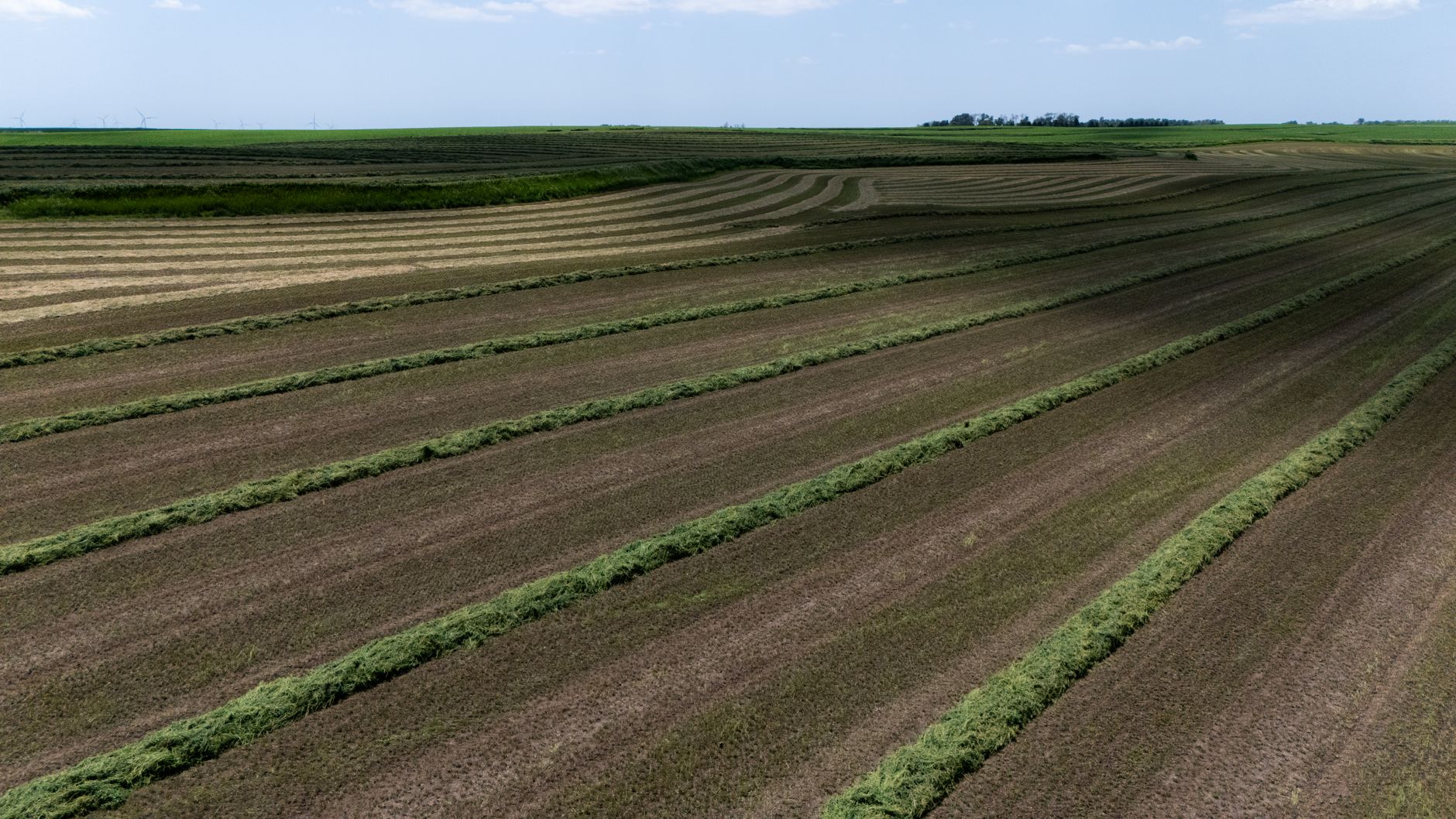
The agricultural toll is substantial. The Forbes report details that vast stretches of Ukrainian farmland have been rendered unusable by the presence of landmines, unexploded ordnance, and the physical scarring left by military operations. Fields that once yielded grain harvests have been churned by armor, cratered by artillery, and seeded with munitions that will require years of demining efforts to clear safely. The scale of contamination means that even a cessation of hostilities would not immediately restore agricultural output — the land itself remains dangerous.
The economic dimension is direct. Ukraine’s agricultural sector has historically been a principal source of foreign exchange earnings, and its impairment weakens the fiscal foundation any postwar government will need to fund reconstruction. Farmers in affected regions face not only the loss of current harvests but the prospect that their land cannot be safely worked for an extended period, creating displacement pressures and compounding the humanitarian strain already documented across the country.
Environmental Degradation With No Quick Remedy
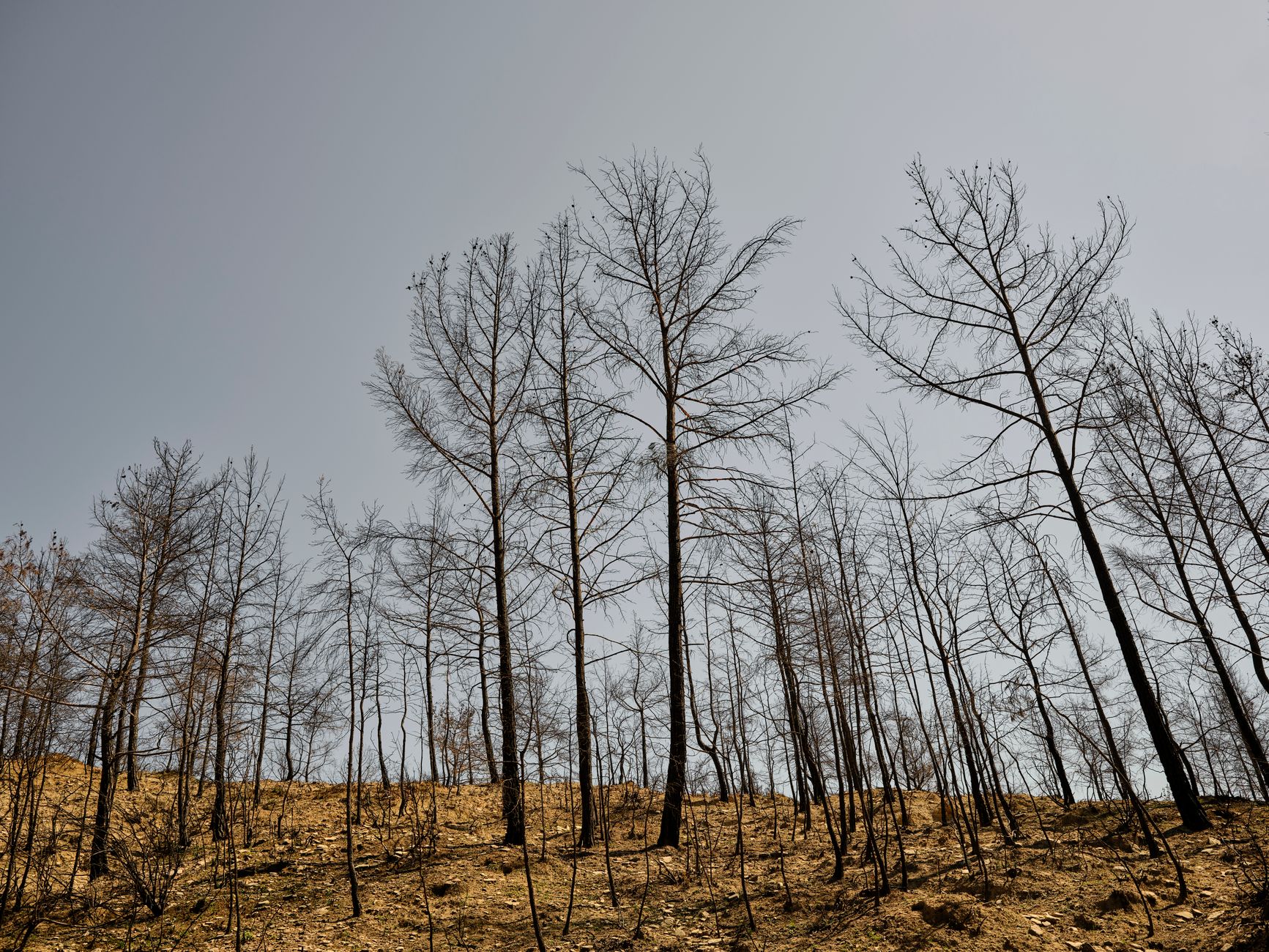
Beyond agriculture, the Forbes report identifies pervasive environmental damage including forest fires ignited by combat operations, pollution of rivers and groundwater from military activity, and the destruction of protected natural areas. These are not incidental effects. Forests consumed by fire release stored carbon, degrade watershed protections, and eliminate habitat — damage that cannot be reversed on a policy timeline. Water contamination in conflict zones presents a particular challenge because it affects both civilian populations and agricultural irrigation, creating overlapping crises that reinforce one another.
The report underscores that environmental restoration will require dedicated international support alongside the better-publicized demands of rebuilding cities and infrastructure. Unlike destroyed bridges or power stations, which can in principle be reconstructed with sufficient funding, ecological systems recover on their own schedules — and in some cases may not recover fully. The degradation of Ukraine’s black-soil region, one of the most agriculturally productive zones on earth, represents a long-term loss with consequences extending well beyond Ukraine’s borders.
The breadth of the damage catalogued in the Forbes piece argues for treating environmental remediation as a core element of any serious reconstruction framework, rather than a secondary concern subordinate to physical infrastructure. Ukraine’s capacity to feed itself and contribute to global food markets depends on reversing ecological damage that is, for now, still accumulating. As international discussions about postwar aid continue, the agricultural and environmental ledger detailed by Temnycky represents a cost that has not yet been fully priced into reconstruction estimates — and one that will only grow the longer the war continues. Those planning for wartime costs in any prolonged conflict would do well to account for this category of damage from the outset.