Shield AI and Thunder Tiger Validate Autonomous Maritime Teaming Concept Off Taiwan’s Coast
Shield AI and Thunder Tiger completed a maritime autonomous teaming demonstration in Taiwan, pairing AI-piloted and crewed vessels.
Shield AI and Taiwanese defense manufacturer Thunder Tiger have completed a joint maritime autonomous teaming demonstration in Taiwan, marking a significant step in the development of human-machine teaming concepts for naval operations in the Indo-Pacific. The exercise paired AI-piloted unmanned surface vessels with crewed platforms, validating cooperative autonomy in an open-water environment. The demonstration was Naval News reported under the headline “Shield AI and Thunder Tiger Complete Maritime Teaming Demo in Taiwan.” The exercise underscores growing demand for unmanned surface vessels across Indo-Pacific defense partnerships as navies seek to extend coverage without proportionally increasing crew requirements.
Thunder Tiger, a Taiwan-based company with an established record in unmanned systems, provided the surface drone platforms for the exercise. Shield AI contributed its Hivemind autonomy software stack, the same AI pilot technology the company has advanced across fixed-wing and rotary-wing unmanned aircraft programs. The pairing represents Shield AI’s expansion beyond air-domain applications into maritime autonomy — a domain that has attracted accelerating investment from both the U.S. defense establishment and partner nations in the Pacific.
What the Demonstration Tested
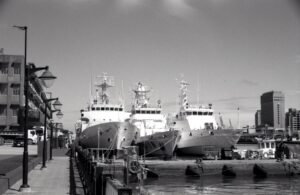
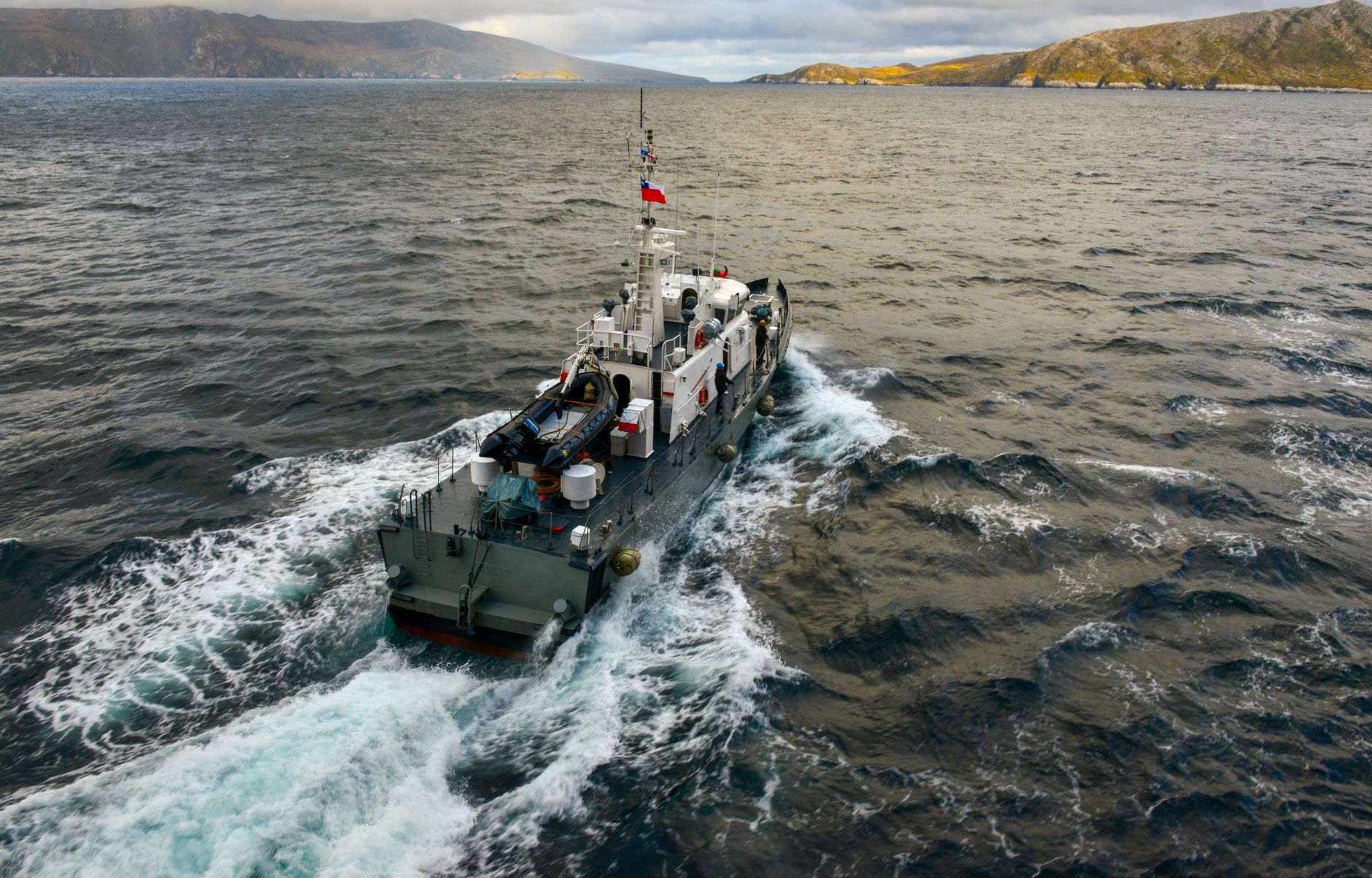
According to Naval News, the demonstration involved unmanned surface vessels operating under Hivemind autonomy in coordination with a manned vessel, exercising teaming behaviors that would allow a crewed platform to direct or supervise multiple autonomous craft simultaneously. The exercise was conducted in Taiwanese waters. Specific metrics such as range, duration, and the number of vessels involved were not detailed in the source reporting, and officials have not confirmed those figures publicly.
The core concept being validated — a single crewed platform working alongside multiple autonomous systems — reflects a broader doctrinal direction across several Western navies. Rather than replacing sailors, the teaming model is designed to multiply the effective coverage and sensor reach of existing crews without a corresponding increase in manpower. Taiwan’s geographic position and the density of maritime traffic and potential adversary activity in surrounding waters make that kind of force-multiplying capability operationally relevant in ways that extend beyond a standard technology demonstration.
Strategic Context and Industrial Implications
The Shield AI and Thunder Tiger collaboration carries weight beyond the technical outcome of a single demonstration. It represents a U.S. defense-technology firm deepening its industrial relationship with a Taiwanese defense company at a moment when Washington has placed renewed emphasis on strengthening the defense capacity of partners in the first island chain. For Shield AI, which has built its reputation largely on air-domain autonomy for platforms including the F-16 and MQ-4C Triton, the maritime teaming demonstration signals a deliberate push to become a multi-domain autonomy provider.
Thunder Tiger’s role is equally notable. The company brings established unmanned surface vehicle production capacity within Taiwan itself, a factor that matters for supply-chain resilience in any scenario where access to U.S.-manufactured systems could be constrained. The combination of a U.S. software layer running on locally produced hardware reflects an integration model that defense planners across the Pacific have increasingly favored. As the unmanned systems market continues to expand across all domains, this demonstration positions both companies to pursue further joint programs with Taiwan’s military and potentially with U.S. forces operating in the region. Neither Shield AI nor Thunder Tiger has disclosed whether a follow-on contract or expanded program is planned.