CACI Lands $500 Million Pentagon Deal to Field Counter-Drone Detection and Defeat Network
The Pentagon’s counter-drone task force awarded CACI a $500M contract for the SkyValor system after border field testing.
The Pentagon’s Joint Counter-Small Unmanned Aircraft Systems Office has awarded CACI International a contract worth up to $500 million to deliver the SkyValor detect-and-defeat system, according to Defense Scoop. The award follows operational testing of the system along the southern border, where military and federal security personnel evaluated its performance against small unmanned aerial threats in real-world conditions. The contract represents one of the larger single-vendor counter-drone awards the task force has issued to date, signaling a shift toward consolidated platform fielding over piecemeal procurement.
The southern border has emerged as a live testing environment for counter-UAS technologies as drone incursions — from surveillance platforms to narcotics-delivery systems — have grown in frequency and complexity. SkyValor’s border evaluation gave the Joint Counter-Small UAS Office direct operational data before committing to the full contract ceiling, a procurement approach that mirrors broader Pentagon efforts to validate systems under realistic threat conditions before large-scale fielding. The office has not publicly confirmed specific performance metrics from those trials.
What SkyValor Brings to the Counter-UAS Architecture
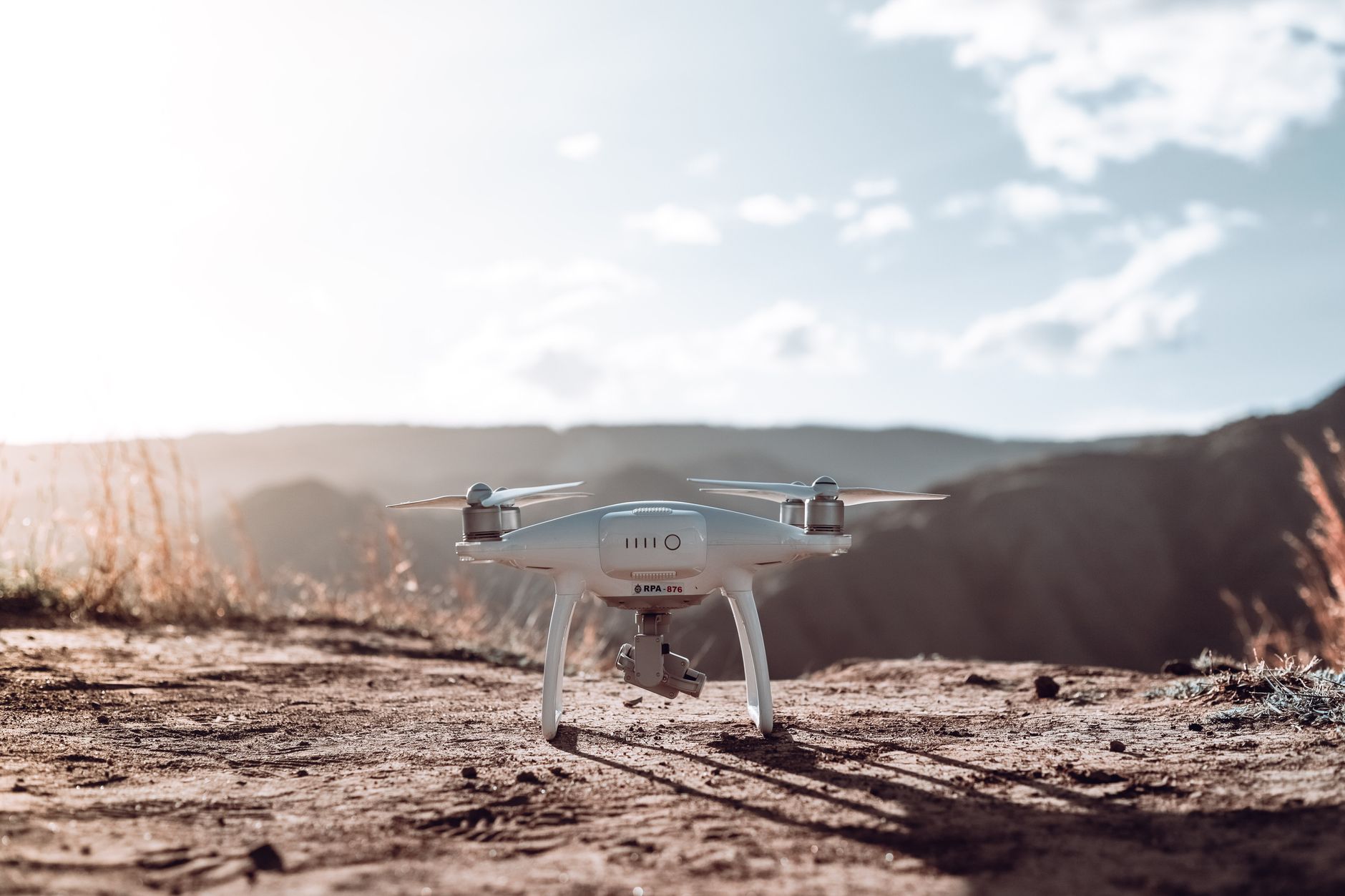
SkyValor is described as an integrated detect-and-defeat platform, combining sensors for threat identification with effectors capable of neutralizing small drones. The system is designed to address the layered detection and engagement challenge that has complicated earlier counter-UAS efforts — where separate vendors supplied detection, tracking, and defeat components that did not always interoperate cleanly. Officials have not confirmed specific sensor ranges, defeat mechanisms, or the number of units to be procured under the contract. CACI has positioned SkyValor as a software-defined architecture, allowing the underlying defeat and detection logic to be updated as adversary drone tactics evolve.
The emphasis on adaptable software sits in line with how the Army and other services have approached air defense testing, prioritizing systems that can absorb firmware and algorithm updates rather than requiring hardware replacement cycles when threat signatures change. That flexibility is particularly relevant given the rapid proliferation of commercial drone airframes that adversaries — state and non-state alike — have adapted for military or criminal use, often faster than fixed-hardware defeat systems can be reconfigured.

Industrial and Strategic Context
The contract consolidates a substantial share of near-term counter-UAS spending with a single integrator at a moment when the defense-industrial base is absorbing sharply elevated demand across air defense lines. Peer and near-peer competitors have accelerated drone and loitering munitions development, and the lessons of recent conflicts have sharpened Pentagon urgency to field layered, responsive defeat systems. The $500 million ceiling gives CACI runway to scale production and sustain the platform through the contract period, though the Defense Scoop report does not specify the contract’s duration or the delivery schedule for initial units.
The SkyValor award also reflects the maturing role of the Joint Counter-Small UAS Office as a genuine acquisition authority rather than a coordination body. Standing up dedicated contracting vehicles and managing operational evaluations ahead of award places the office closer to the model of a program executive office — a structural shift with implications for how quickly future counter-drone requirements move from identification to contract. For CACI, the win extends the company’s footprint in the counter-UAS market, where competition among defense electronics firms has intensified as demand from combatant commands and domestic security agencies continues to grow. The broader counter-drone expansion echoes trends observed across allied air defense programs, including drone defense upgrades underway among U.S. partners.