Pacific Deterrence Exercise REFORPAC Set to Expand Multinational Scope and Joint Participation by 2027
The Air Force plans to grow REFORPAC into a broader multinational and joint exercise by 2027, deepening Pacific deterrence efforts.
The U.S. Air Force is planning to significantly expand its REFORPAC exercise by 2027, broadening the event to include more allied nations and additional joint-force participants, according to Space Forces Magazine. The growth reflects a deliberate push by Air Force planners to stress-test the service’s ability to rapidly deploy combat power across the Indo-Pacific, a region where Chinese military expansion has steadily elevated the stakes for deterrence exercises. As the Pentagon continues to prioritize Pacific readiness, exercises like REFORPAC are taking on increased operational and diplomatic weight — a trend that also runs through recent undersea drone demonstrations and other joint capability tests in the theater.
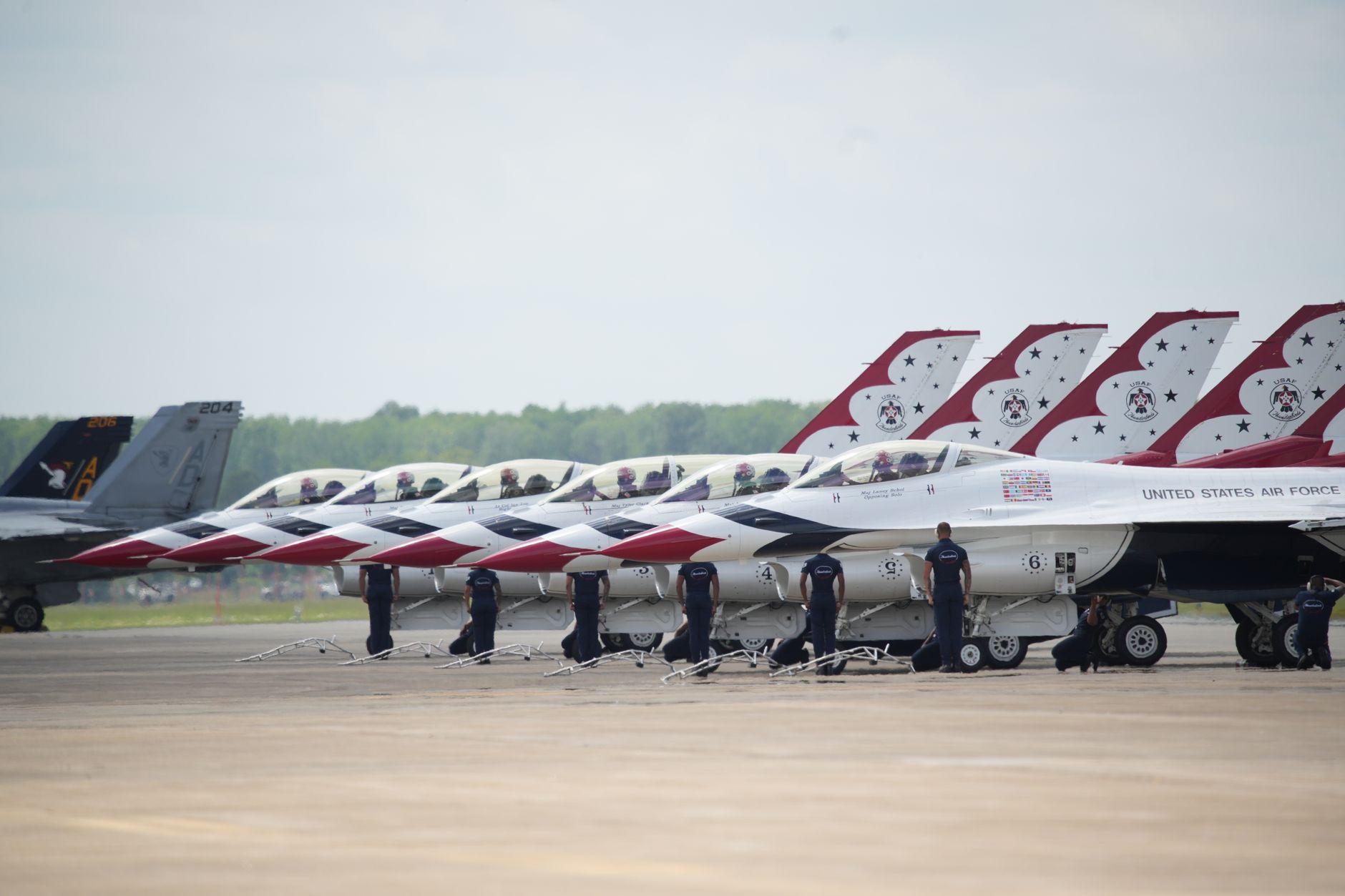
REFORPAC — short for Regeneration of Forces in the Pacific — is modeled conceptually on the Cold War-era REFORGER exercises that validated NATO’s ability to rapidly reinforce Europe against a Soviet threat. The Air Force has adapted that framework for the Pacific’s vast distances and dispersed basing challenges, using the exercise to rehearse agile combat employment, logistics under contested conditions, and the rapid movement of airpower across multiple locations.
More Nations, More Complexity on the Horizon
Air Force officials have indicated that the 2027 iteration of REFORPAC will bring in a wider array of allied and partner nations than previous editions. While officials have not confirmed a specific list of countries or the total number of participants expected, the intent is to move toward a more coalition-centric structure that better mirrors real-world contingency requirements in the Indo-Pacific. Integrating additional partners adds complexity to command and control, logistics, and communications interoperability — precisely the conditions the exercise is designed to stress.
Expanding allied participation also carries a signaling dimension. Exercises that visibly include regional partners — particularly nations along potential conflict corridors — send a deterrence message to adversaries assessing U.S. commitment and coalition cohesion. The Air Force’s emphasis on growing that coalition footprint by 2027 suggests the service views the current exercise architecture as insufficiently representative of the partnerships it would actually rely on in a crisis.
Joint Integration and Agile Combat Employment
Beyond allied expansion, the Air Force is working to deepen joint-force integration within REFORPAC. Incorporating Army, Navy, and Marine Corps elements alongside Air Force units would test cross-domain coordination in ways that single-service exercises cannot replicate. Officials have not detailed precisely which joint capabilities or units would be added, but the broader direction aligns with the Pentagon’s stated emphasis on all-domain operations as the foundation of future Indo-Pacific warfighting.
The agile combat employment concept — which disperses aircraft and support teams to austere or nontraditional locations to complicate adversary targeting — remains central to REFORPAC’s design. Rehearsing that dispersal with joint and allied forces simultaneously is a considerably harder problem than executing it within a single service, and the 2027 expansion appears aimed squarely at that gap. China’s continued investment in long-range precision strike, as evidenced by satellite imagery showing scale replicas of U.S. warships used as target practice, underscores why the Air Force is working to make its Pacific basing posture as unpredictable and resilient as possible before any potential crisis materializes.
Planning timelines for exercises of this scale typically run two to three years out, meaning the groundwork for the expanded 2027 REFORPAC is already underway. How successfully the Air Force integrates additional allies and joint partners into the exercise’s agile combat employment framework will offer a meaningful indicator of how ready the broader force is to operate under Indo-Pacific conditions that leave little margin for coordination failures.