Stellantis Joins Mobileye’s Cloud-Connected ADAS Ecosystem in Expanded Partnership
Mobileye expands its cloud-powered driver assistance platform with Stellantis, deepening a partnership that puts Road Experience Management data at scale.
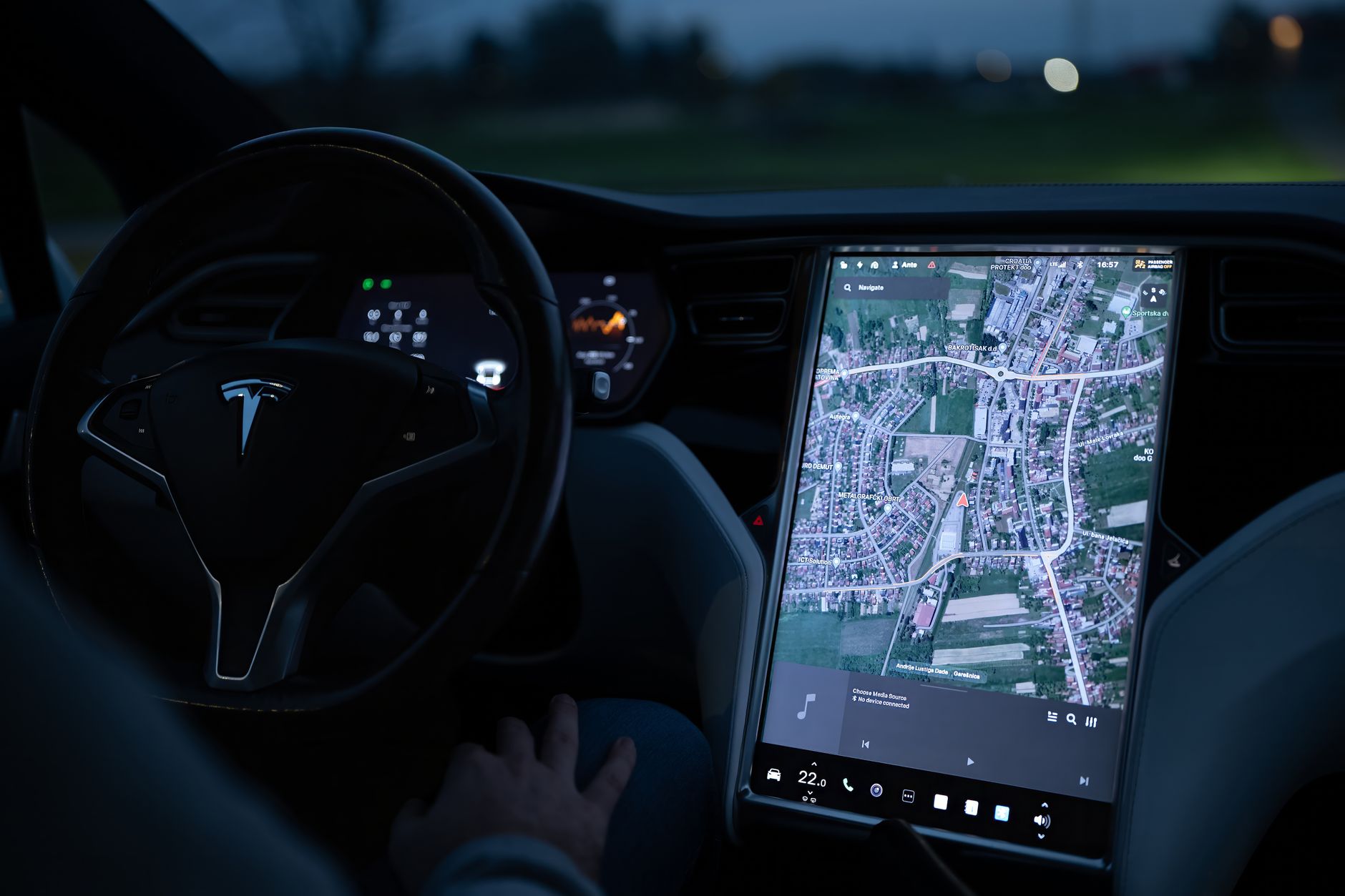
Mobileye has signed Stellantis as a new customer for its cloud-based driver-assistance platform, marking a significant expansion of the Israeli technology company’s commercial footprint in the automotive safety sector. The deal, reported by Calcalist, centers on Mobileye’s Road Experience Management system, known as REM, which aggregates anonymized driving data from vehicles equipped with Mobileye hardware to continuously update and refine high-definition map layers used by advanced driver-assistance systems. The integration of Stellantis — one of the world’s largest automakers by volume — into that ecosystem represents a meaningful addition to the data network underpinning the platform.
The announcement reinforces Mobileye’s strategy of building a self-reinforcing data flywheel: the more vehicles feeding anonymized road data into REM, the more accurate and current the mapping layer becomes, which in turn makes the driver-assistance systems relying on it more capable. As autonomous and semi-autonomous vehicle programs compete for technical credibility with regulators and fleet operators alike, the depth and freshness of that underlying map data has become a meaningful differentiator. The convergence of AI-driven sensing platforms and large-scale data infrastructure mirrors trends visible in defense contexts as well — including the TRANSCOM AI agents deployment, where aggregated real-time data feeding autonomous decision systems has moved from concept to operational practice.
Stellantis Adds Scale to Mobileye’s Mapping Network
Stellantis brings a substantial global vehicle portfolio to the arrangement, spanning brands across North America, Europe, and international markets. Under the expanded partnership, Stellantis vehicles equipped with Mobileye sensing systems will contribute road data to the REM platform, adding density to the mapped network while benefiting from the more refined map outputs that scale enables. Calcalist’s reporting does not specify the financial terms of the agreement or the precise number of vehicle models or model years that will participate in the program initially.
For Mobileye, securing a major original equipment manufacturer of Stellantis’s scale closes a gap that competitors could otherwise exploit. Rival mapping and ADAS platforms have pursued similar fleet-data strategies, and the breadth of an OEM partner’s global manufacturing footprint directly influences how quickly a cloud-mapping network can achieve geographic and situational completeness. A denser contributor base also reduces latency between real-world road changes — new construction, altered lane markings, updated speed limits — and the reflected update in the system’s map layer.
Industrial and Strategic Significance of the REM Expansion
The commercial significance of the Stellantis agreement extends beyond a single procurement relationship. Mobileye has positioned REM not merely as a mapping convenience layer but as foundational infrastructure for higher levels of vehicle automation. The system is designed to operate at scale across heterogeneous vehicle fleets, collecting sensor observations from millions of vehicles simultaneously and distilling them into lightweight map updates distributed back across the network. Adding Stellantis vehicles to that contributor base accelerates the feedback loop that makes higher-confidence autonomy features possible at the edge.
The deal also reflects the degree to which software and data infrastructure have become central to automotive competitiveness, a shift with parallels in defense procurement where platform value increasingly derives from the software stack rather than hardware alone. Mobileye, which went public in 2022 after being spun off from Intel, has pursued a platform-as-infrastructure model that depends on broad OEM adoption to remain viable against well-capitalized competitors. The Stellantis signing, as reported by Calcalist, suggests that model continues to attract major industrial partners willing to contribute their fleet data in exchange for access to the cumulative mapping intelligence the network generates. Officials have not confirmed a timeline for when Stellantis-equipped vehicles will begin active REM data contribution at volume.