Anduril Unveils Tiltrotor Attack Drone With Autonomous Strike Capability
Anduril Industries has revealed a concept for an autonomous tiltrotor attack drone, signaling a new direction in uncrewed strike platforms.
A New Uncrewed Strike Concept Takes Shape
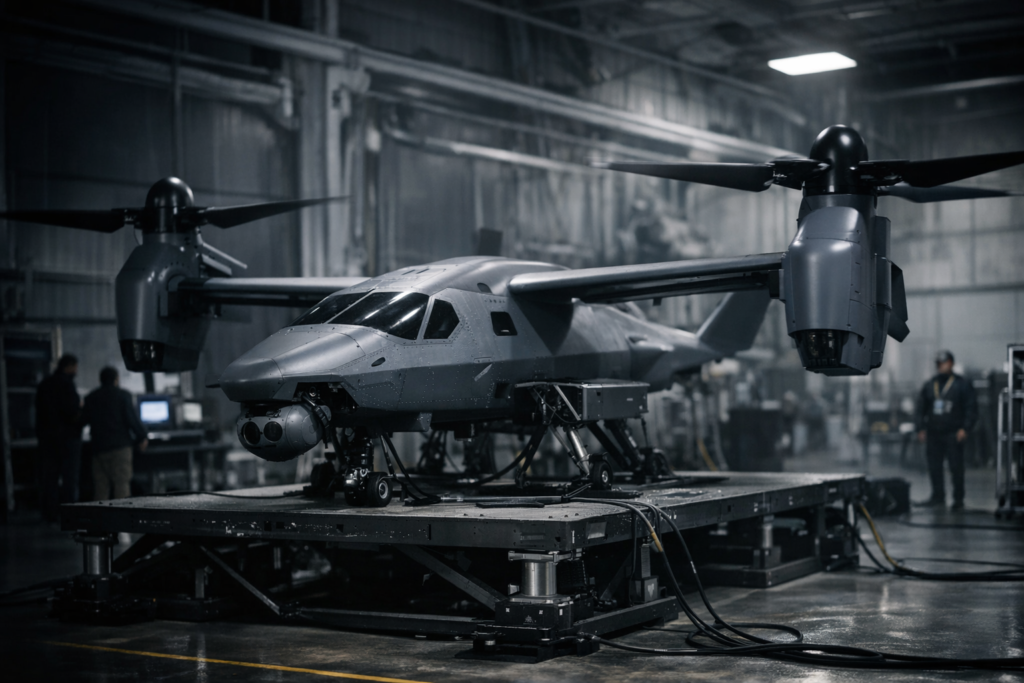
Anduril Industries has publicly unveiled a concept for an autonomous tiltrotor attack drone, expanding the defense technology firm’s growing portfolio of uncrewed systems into a new operational category. The company shared the concept through an official announcement on its social media channels, offering the first public look at the platform’s design and intended role.
The concept, as reported by The War Zone in its article “Anduril Brings The Thunder With Autonomous Tiltrotor Attack Drone Concept,” depicts a fixed-wing drone capable of vertical takeoff and landing via a tiltrotor configuration — a design that combines the hover capability of a rotary-wing aircraft with the speed and range efficiency of a fixed-wing platform. That combination addresses one of the persistent operational constraints facing uncrewed strike systems: the need for prepared runways or launch infrastructure in contested or austere environments.
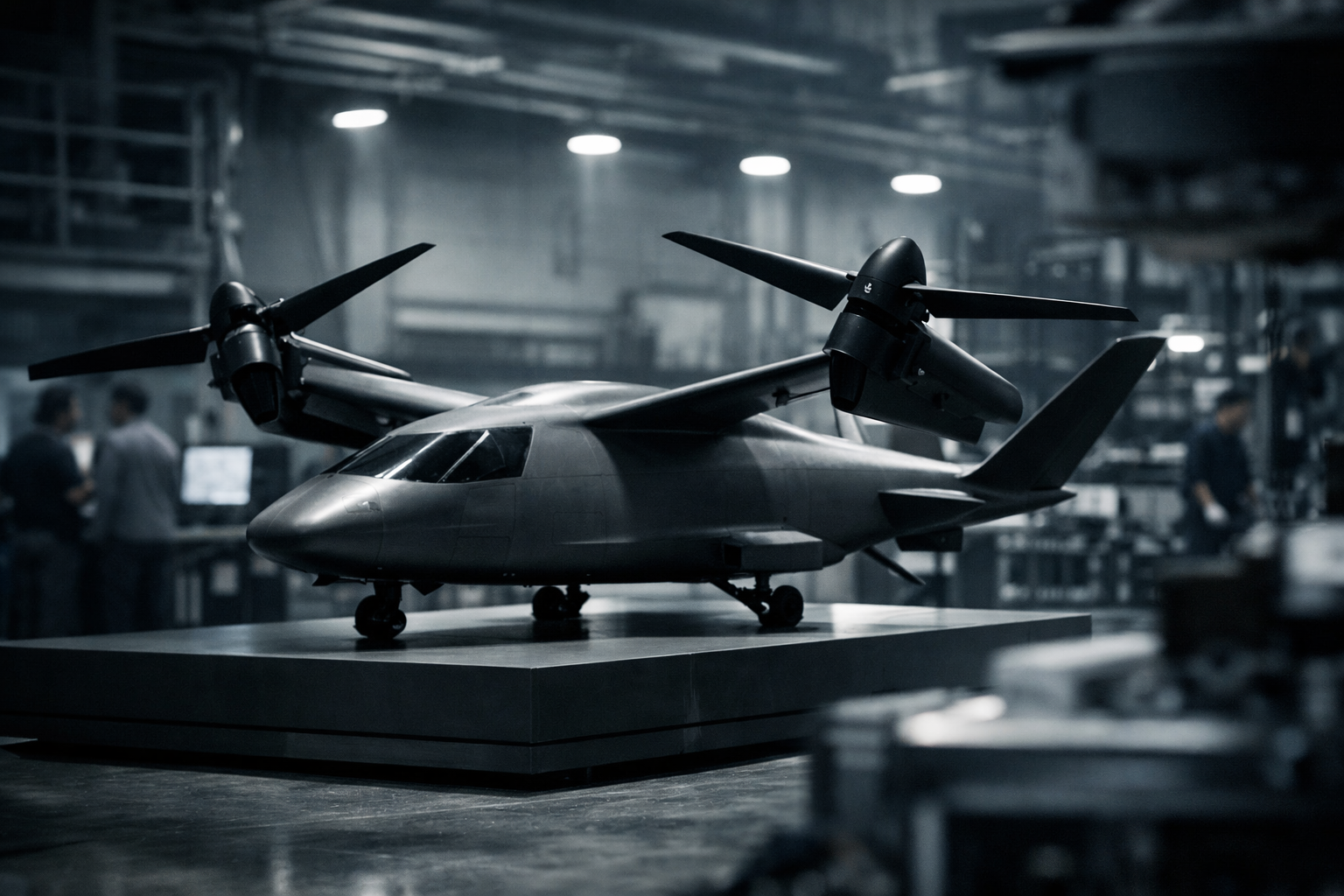
According to The War Zone’s coverage, the drone is envisioned as an autonomous system capable of attack missions, though specific payload details, range figures, and propulsion specifications were not disclosed in the publicly available concept materials. Anduril has not confirmed a formal program designation or identified a specific military customer in connection with the reveal.
Operational and Strategic Context
The tiltrotor configuration carries distinct tactical appeal for military planners. A drone that can take off and land vertically removes dependence on fixed airstrips, enabling forward deployment from ships, austere forward operating bases, or other non-traditional launch points. When combined with autonomous flight and strike capability, such a system could reduce pilot risk in high-threat environments while maintaining persistent offensive presence.
Anduril has positioned itself in recent years as one of the defense industry’s most aggressive developers of autonomous and AI-enabled systems, fielding platforms including the Fury crewed-uncrewed teaming aircraft and the Roadrunner interceptor. The tiltrotor attack concept, if it advances toward a production program, would extend the company’s reach further into the autonomous strike domain — a space drawing increasing attention and investment from both the U.S. military and allied governments as great-power competition intensifies.
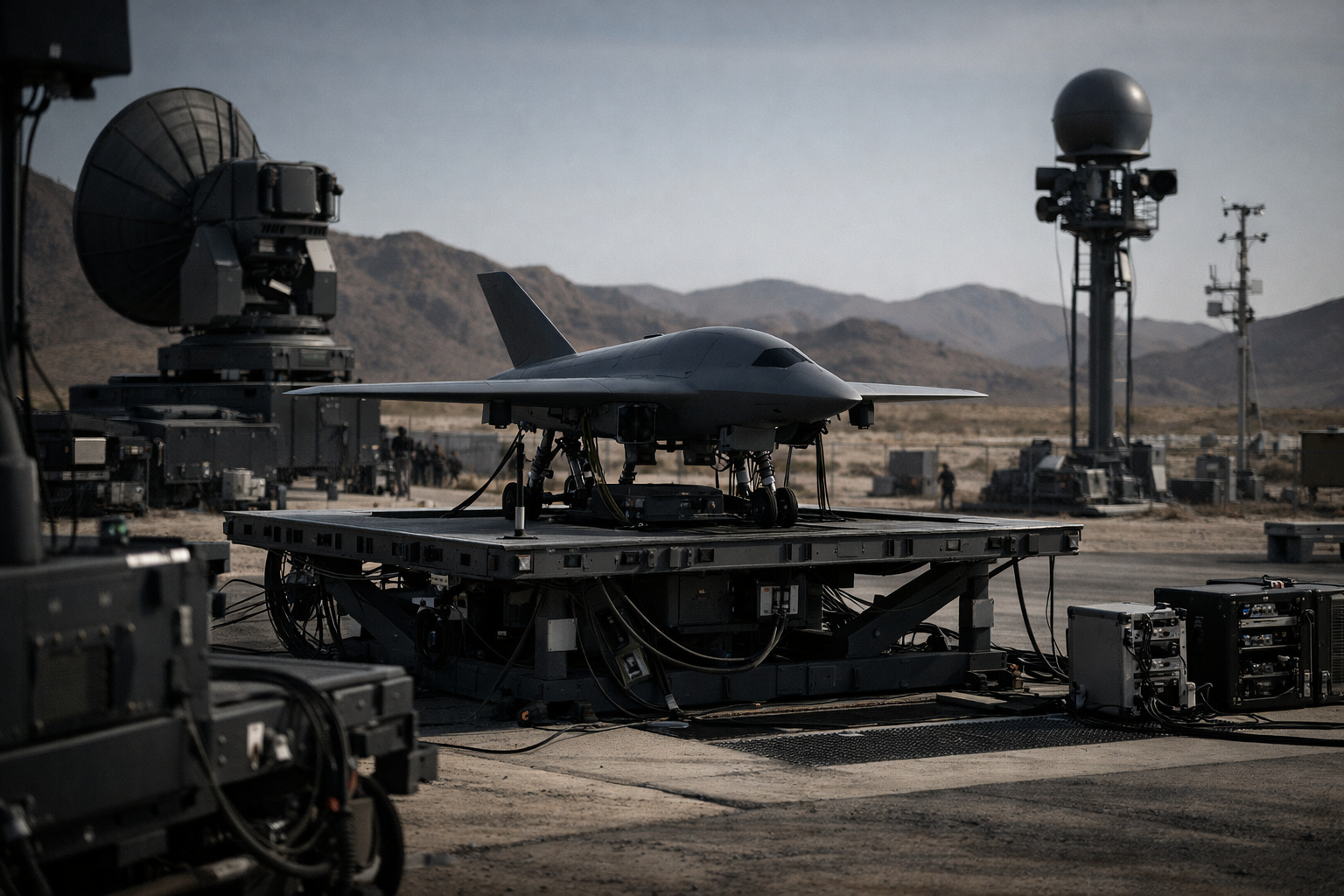
The disclosure comes at a moment when the Pentagon and its partners are accelerating efforts to field affordable, attritable uncrewed systems capable of operating in contested airspace. Programs such as the Air Force’s Collaborative Combat Aircraft initiative reflect broader institutional demand for autonomous platforms that can complement crewed fighters without the cost and risk profile of traditional aircraft. Whether Anduril’s tiltrotor concept is intended to compete within an existing program of record or is being developed speculatively to attract future requirements is not clear from available TWZ reporting.
What Comes Next
Anduril has not announced a timeline for prototype flight testing or indicated whether a government contract underpins the concept. Defense companies routinely publish conceptual designs ahead of formal requirements to shape acquisition discussions, build public profile, and signal technical readiness to potential customers. The level of visual and technical detail in the company’s release suggests the concept is at least past early ideation, though confirmation of hardware development remains absent.
The War Zone noted the significance of the tiltrotor design choice specifically, flagging it as a meaningful departure from more conventional fixed-wing or multirotor drone configurations common in current autonomous systems. How the platform would integrate with Anduril’s existing Lattice AI command-and-control software — a central element of the company’s broader autonomous systems architecture — was not addressed in the available concept materials.