Army Overhauls Fitness Standards to Match Modern Combat Roles and Reduce Injuries
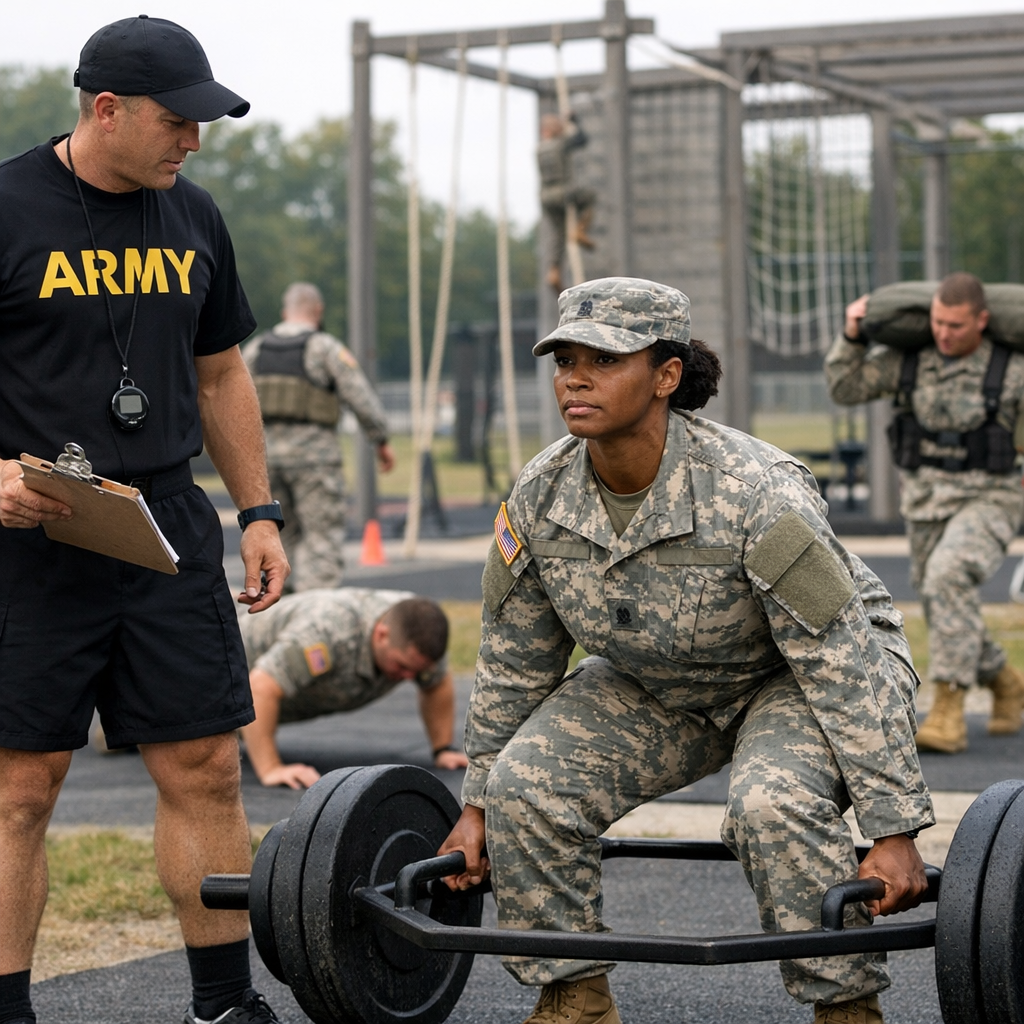
The U.S. Army is moving forward with a significant overhaul of its physical fitness requirements, as outlined in the Military Times video report titled “New fitness standard takes hold across the Army – Defense News Weekly Full Episode 7.14.26.” The changes reflect a broader effort by Army leadership to align physical readiness standards with the evolving demands of modern warfare while addressing long-standing concerns about fairness, injury rates, and operational relevance.
According to the Military Times report, the Army’s updated fitness framework marks a departure from previous testing models that emphasized uniform scoring benchmarks across large segments of the force. Instead, the new standard is designed to account for differences in occupational roles, with greater emphasis placed on combat readiness and the physical tasks soldiers are most likely to encounter in real-world scenarios. Officials say the shift is intended to create a more practical and sustainable approach to evaluating soldier fitness.
The revised system builds on lessons learned from the rollout of the Army Combat Fitness Test (ACFT), which underwent multiple revisions after criticism from lawmakers, soldiers, and independent reviewers. Concerns ranged from high injury rates during early implementation to questions about whether a single, universal standard could accurately measure readiness across diverse military occupations. A RAND Corporation assessment of the ACFT highlighted some of these challenges, including injury risks and score variability. The Army’s latest approach appears to incorporate those critiques by tailoring expectations more closely to specific job requirements.
In the Military Times coverage, defense officials emphasize that the new standards are not meant to lower expectations but to make them more relevant. Combat arms roles, for instance, will continue to face rigorous physical benchmarks, while other specialties may be assessed using criteria more closely aligned with their operational duties. Proponents argue that this distinction better reflects the realities of a modern, technologically complex force without compromising overall readiness, a priority also emphasized in the U.S. National Defense Strategy.
The transition comes at a time when the Army is grappling with broader recruitment and retention challenges. Physical fitness standards have become a focal point in that discussion, with leaders seeking to strike a balance between maintaining a capable fighting force and ensuring that requirements do not unnecessarily exclude otherwise qualified candidates. Recent coverage of Army recruiting challenges underscores the importance of adapting policies to sustain force levels. By refining how fitness is measured, the Army hopes to reduce attrition linked to testing while preserving the credibility of its standards.
Still, the changes are likely to face continued scrutiny. Critics have warned that adjusting benchmarks based on role could create perceptions of inequality within the ranks or dilute the shared identity fostered by common standards. Others question whether the new system will be implemented consistently across units, a challenge that has complicated previous reforms and has been raised in Congressional Research Service analyses of military personnel policy.
Military Times reports that Army officials are working to address those concerns through clearer guidance, enhanced training for evaluators, and ongoing data collection to monitor outcomes. The service has indicated that the standards will continue to evolve as more information becomes available, suggesting that this latest adjustment is part of an iterative process rather than a final solution.
As the new fitness model takes hold, its long-term impact will likely be measured not only by test scores but also by readiness metrics, injury rates, and soldier retention. The Army’s ability to demonstrate that the updated standards improve performance without sacrificing fairness or rigor will determine whether the overhaul is ultimately viewed as a necessary modernization or another step in an ongoing debate over how best to define physical readiness in the 21st-century military.