Israel Defense Minister Pushes Pardon for Elor Azaria, Reigniting Debate Over Military Justice and Accountability
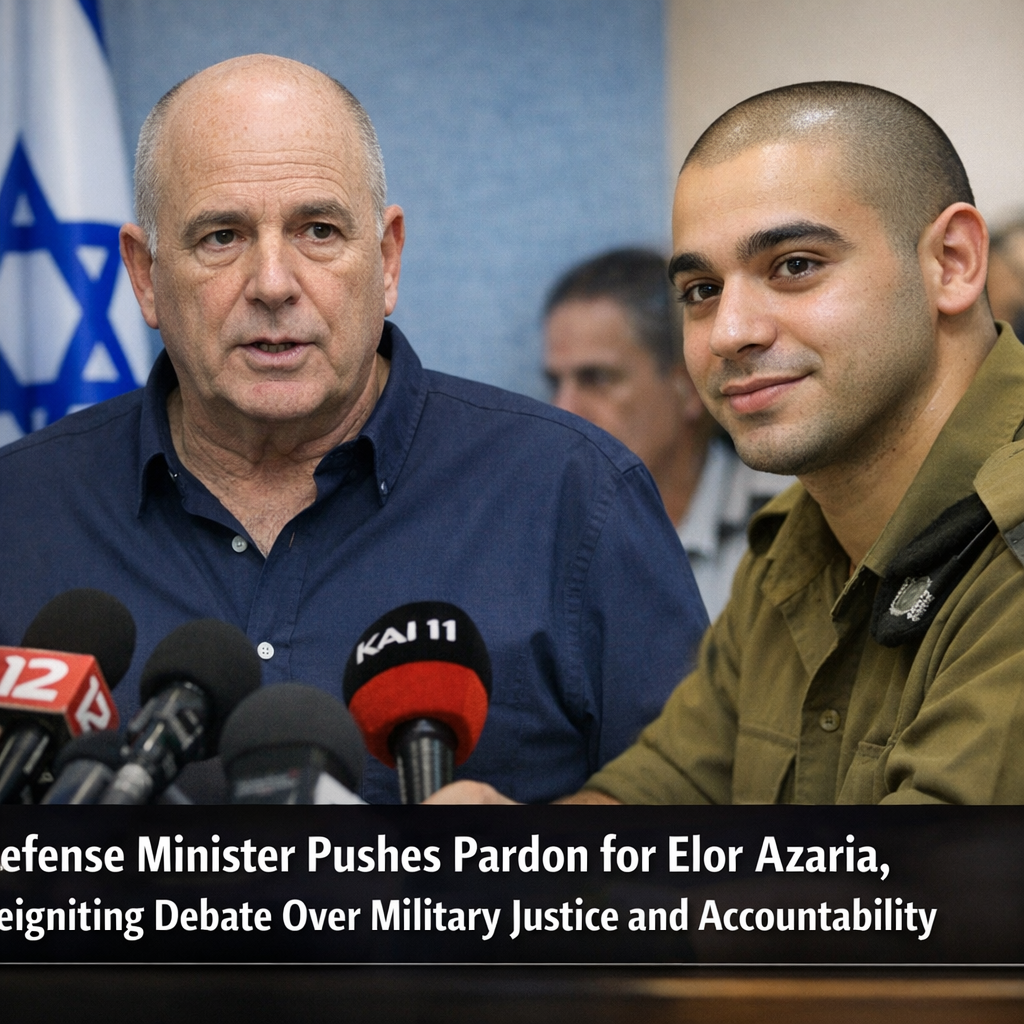
Israel’s defense minister has moved to revive one of the country’s most divisive military cases, seeking a presidential pardon for Elor Azaria, the former soldier convicted of killing a wounded Palestinian attacker in Hebron in 2016, according to reporting by i24NEWS in its article titled “Defense Minister Katz seeks presidential pardon for Elor Azaria” (original report).
Azaria was convicted of manslaughter in 2017 after footage showed him shooting Abdel Fattah al-Sharif as the latter lay incapacitated following a stabbing attack on Israeli soldiers. The incident, captured on video by a human rights group and widely circulated, triggered intense national debate over the conduct of Israeli soldiers in the field and the ethical boundaries of military engagement in asymmetric conflict (see Elor Azaria case).
The former sergeant was sentenced to 18 months in prison, a term later reduced to 14 months by the military chief of staff. He ultimately served nine months before being released. Despite the legal process having concluded years ago, Azaria has remained a polarizing figure in Israeli society, viewed by some as a soldier who acted under threat and by others as emblematic of a breakdown in rules of engagement (background from BBC coverage of the trial).
Defense Minister Israel Katz’s reported appeal for a presidential pardon signals renewed political attention to the case. While the Israeli presidency holds the authority to grant clemency, such decisions are typically weighed carefully due to their potential to influence public trust in the rule of law and the military justice system (see role of the Israeli president). A pardon for Azaria would be interpreted by supporters as a symbolic exoneration, but critics are likely to argue it risks undermining judicial accountability.
The original case exposed deep divisions within Israeli society, including within the political establishment and the military itself. Senior Israel Defense Forces officials at the time defended the prosecution as essential to maintaining moral and legal standards, while some political figures publicly supported Azaria, framing his actions within the realities of frontline security threats.
Renewed efforts to pardon Azaria come amid a broader domestic climate in which issues of military conduct, accountability, and political influence over judicial outcomes continue to generate debate. Whether the presidency will act on Katz’s reported request remains uncertain, but the move has already reopened discussion about the balance between justice, public sentiment, and the pressures faced by soldiers in conflict zones (legal context: manslaughter).
As highlighted by i24NEWS, the case continues to resonate nearly a decade later, underscoring its lasting impact on Israeli public discourse and civil-military relations.