Iran-linked strike hits US tankers in Saudi base
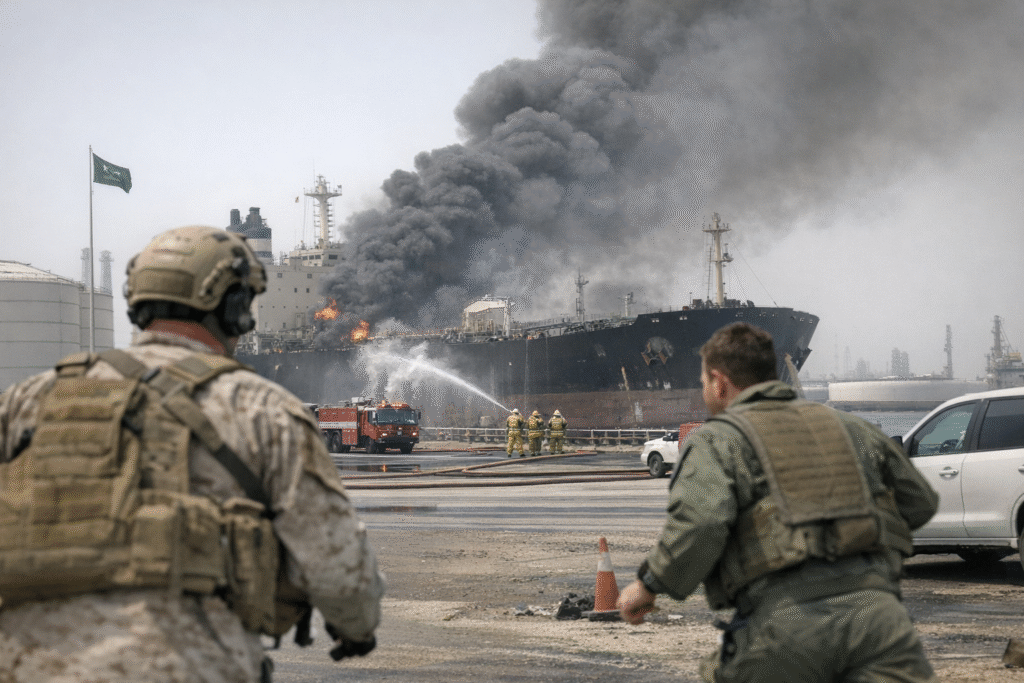
A missile strike attributed to Iran has damaged five U.S. Air Force KC-135 refueling aircraft at a base in Saudi Arabia, according to U.S. officials, marking a significant escalation in tensions across the Middle East and raising fresh concerns about the vulnerability of critical military infrastructure in the region.
The incident, first reported in “Iran missile strike damages five KC-135 tankers in Saudi Arabia, officials say” by Military Times, underscores the growing risks facing U.S. personnel and assets as regional hostilities intensify. Officials said the aircraft, which are central to aerial refueling operations and enable extended combat and surveillance missions, were hit during a targeted strike on a سعودی air installation used by American forces.
While no fatalities have been publicly confirmed, the damage to multiple tankers represents a notable operational setback. The KC-135 fleet plays a crucial logistical role in sustaining U.S. and allied air operations, and even limited losses can strain mission readiness, particularly in a theater where rapid response capabilities are essential.
U.S. defense officials have not disclosed the precise location of the base or the full extent of the damage, but early assessments suggest the strike was deliberate and likely intended to disrupt U.S. air mobility. The attack adds to a pattern of increasingly direct confrontations between Iran and U.S.-aligned forces, moving beyond proxy engagements that have defined much of the region’s recent conflict dynamics.
Tehran has not publicly acknowledged responsibility, though U.S. leaders have indicated a high degree of confidence in Iran’s involvement based on intelligence and the nature of the weapons used. The strike is expected to intensify debate within Washington over force posture in the Middle East, where U.S. troops and assets have faced a steady stream of drone and missile threats from both state and non-state actors.
Military analysts note that targeting refueling aircraft suggests a strategic objective to degrade U.S. operational reach rather than simply inflict symbolic damage. By impairing aerial refueling capacity, even temporarily, adversaries can complicate mission planning and reduce the effectiveness of air campaigns across a wide geographic area.
The Saudi government has not issued extensive public comment on the attack, though cooperation between Riyadh and Washington on security matters remains close. The incident may also test the kingdom’s air defense capabilities and prompt renewed scrutiny of existing missile defense systems tasked with protecting key military installations.
Pentagon officials are reportedly conducting a damage assessment while reviewing potential response options. These could range from reinforcing defensive measures at regional bases to retaliatory actions aimed at deterring further strikes. Any response, however, carries the risk of further escalation in an already volatile environment.
The strike comes amid broader instability in the region, with ongoing conflicts and shifting alliances contributing to a heightened sense of uncertainty. For U.S. military planners, the incident reinforces the need to adapt to evolving threats that increasingly target high-value support assets rather than front-line combat units.
As the situation develops, the damage to the KC-135 aircraft may prove more significant for its strategic implications than its immediate physical impact, signaling both the reach of Iranian capabilities and the persistent vulnerability of U.S. forces operating in contested airspace.