Spring Airfares Surge as Demand Outpaces Flights
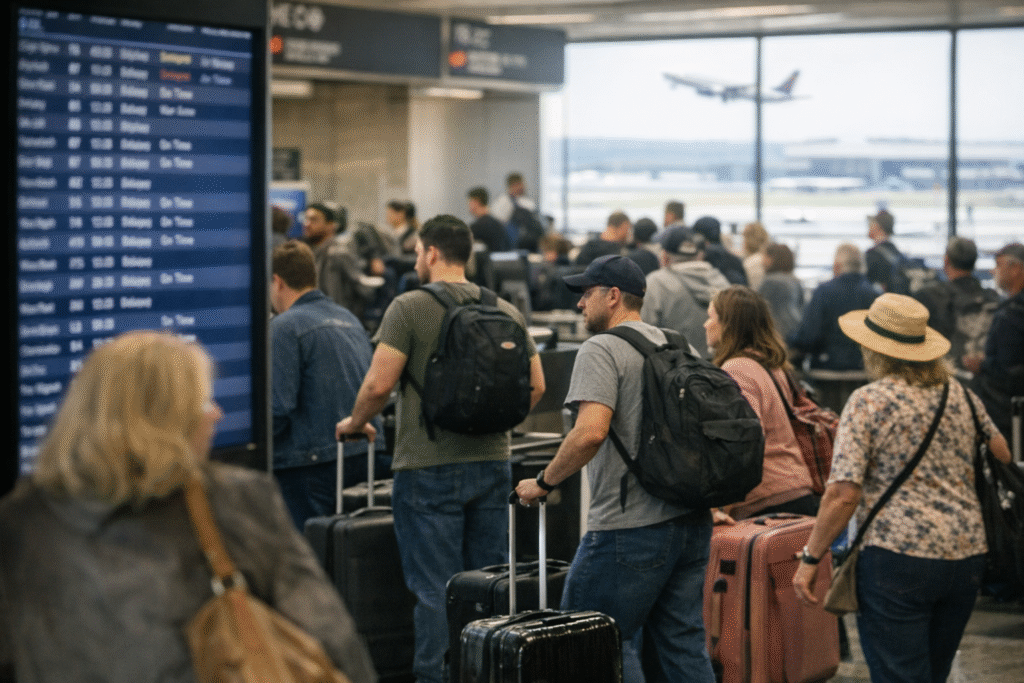
Air travelers planning spring trips are encountering strikingly higher ticket prices this year, with some routes seeing fares double compared with earlier periods, underscoring how tight airline capacity and persistent travel demand are reshaping the economics of flying. The dynamic was detailed in The Wall Street Journal article titled “Airfares Have Doubled on Some Flights. The Sticker Shock for Spring Travel Is Upon Us,” which reports that passengers across the United States are confronting unusually steep prices during one of the busiest seasonal travel periods.
The surge in ticket prices reflects a confluence of forces that have been gathering momentum across the aviation sector for more than a year. Airlines have carefully moderated the expansion of flight schedules, wary of operational disruptions and aircraft delivery delays, while travelers have continued to book trips at strong rates. The resulting imbalance between supply and demand has given airlines greater latitude to charge higher fares, particularly on high‑demand leisure routes during peak travel windows.
According to The Wall Street Journal, certain domestic routes tied to major spring break destinations have experienced some of the most pronounced increases. Flights to warm‑weather and resort areas, including cities in Florida and other popular vacation markets, have seen substantial fare jumps compared with similar trips earlier in the year or during less crowded travel periods. In some cases, travelers found that tickets for specific flights cost twice as much as comparable fares offered weeks earlier.
Airline pricing inherently fluctuates based on demand patterns, booking timelines, and seat availability. But the scale of the increases has caught the attention of travelers who had hoped that a gradual easing in inflation and improved airline operations might translate into cheaper airfares. Instead, carriers have leaned into revenue management strategies that capitalize on high-demand periods, adjusting prices rapidly when specific flights begin to fill.
The current pricing environment also reflects broader structural challenges facing the airline industry. Aircraft manufacturers have struggled with production delays that have limited the pace at which airlines can expand fleets. At the same time, labor shortages and operational reliability concerns have made carriers cautious about aggressively increasing flight schedules. While passenger demand has returned strongly since the pandemic, airlines have prioritized profitability and operational stability over rapid capacity growth.
Industry analysts say the strategy has helped airlines build stronger balance sheets after years of financial turbulence. However, the approach also means fewer discounted seats are available during peak periods. When flights begin to approach full capacity, prices can rise quickly as algorithms adjust fares to match booking activity.
For travelers, the result is a travel market that rewards flexibility and early planning. The Wall Street Journal notes that passengers willing to adjust travel dates, choose less convenient flight times, or consider alternate airports may still find somewhat lower fares. Yet for many people constrained by school schedules or fixed vacation periods, options can be limited, making the higher costs difficult to avoid.
Despite the sticker shock, demand for spring travel remains resilient. Airports across the United States are preparing for heavy passenger volumes, reflecting a continued willingness among consumers to prioritize travel experiences even when prices rise. Some analysts argue that the persistence of strong demand signals a broader shift in consumer spending priorities, with travel maintaining a firm place in household budgets.
As spring travel accelerates, the experience described in The Wall Street Journal article highlights a fundamental reality of the current airline market: limited seat availability and robust demand allow airlines to command higher prices during peak seasons. For many travelers, the result is a familiar calculation—whether the convenience and timing of a trip are worth the growing cost of getting there.