“Speculation on Trump’s Motives in Military Actions”
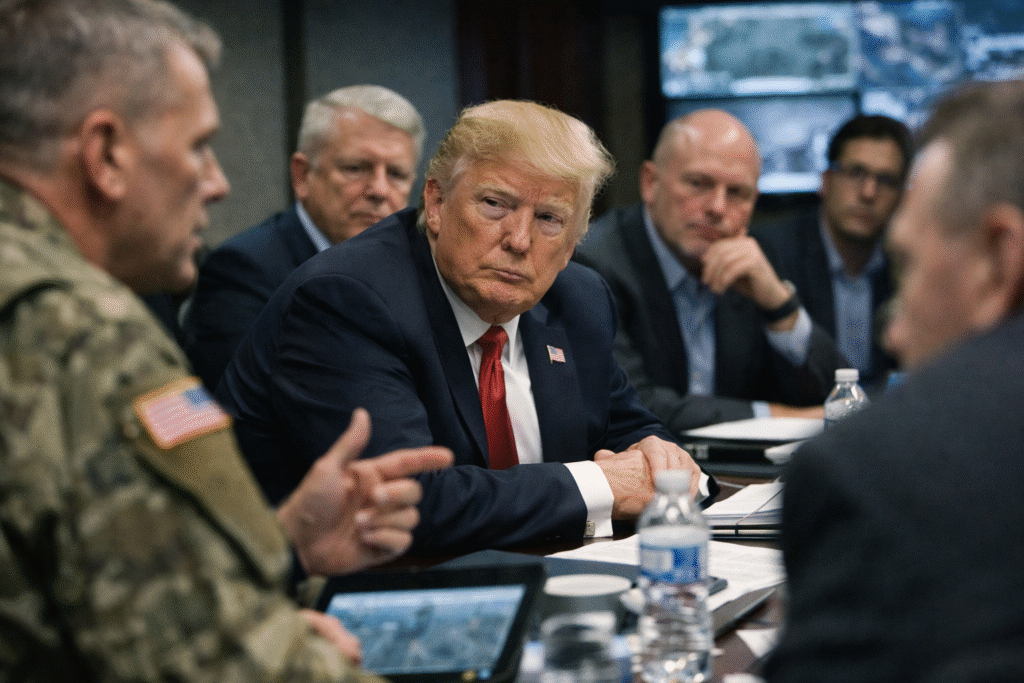
In a recent discussion on “The View,” hosts speculated on the motivations behind former President Donald Trump’s military actions, raising the possibility that such decisions were intended to distract the public from the controversial Jeffrey Epstein case. This dialogue, highlighted in a piece by The Daily Wire titled “The View Hosts Suggest Trump Started A War To Distract From Epstein: ‘Very ‘Wag The Dog’ Feeling,'” underscores the persistent skepticism surrounding political decisions in the Trump era and the broader discourse on transparency and accountability.
The segment, which aired on the widely-watched daytime talk show, touched on concerns that political leaders may deploy military force to shift public attention away from domestic issues. This concept is reminiscent of the 1997 film “Wag the Dog,” where a fictional president orchestrates a war to divert attention from a scandal. Critics have often invoked this narrative when questioning the true impetus behind international conflicts initiated by a sitting administration.
On the episode, hosts expressed apprehension about the timing of Trump’s decisions, alluding to a possible link between military action and a need to divert public interest away from the Epstein affair. The dubious connections some hosts drew between these two seemingly unrelated issues reflect the enduring mistrust among segments of the public and media figures regarding political motivations. It also highlights the pervasive influence of conspiracy theories in public discourse, a phenomenon that has gained significant traction due to the rapid dissemination of information online.
While criticism and analysis of presidential actions are integral components of democratic societies, it is essential to approach such discourse with rigor and evidence-based analysis. Assertions like those discussed on “The View” can fuel further skepticism and division unless grounded in substantiated facts. This also raises questions about the role media personalities play in shaping public opinion and the degree of responsibility they bear for presenting conjectures without supporting proof.
The broader implications of the conversation on “The View” extend beyond evaluating any single administration’s actions. They serve as a reminder of the deep-seated challenges that accompany governance in a highly polarized environment. The exchange prompts a reevaluation of how political narratives are constructed and consumed, ultimately impacting public trust in leadership and the democratic process.
As discussions continue regarding the legacy of President Trump and the multitude of controversies that marked his administration, debates like these are likely to persist. They emphasize the necessity for careful scrutiny and the role of credible journalism in disentangling complex political realities from speculative narratives. Only through responsible reporting and informed debate can the public hope to navigate the intricate landscape of modern governance.