“Echoes of the Sahand: Human Stories in Conflict”
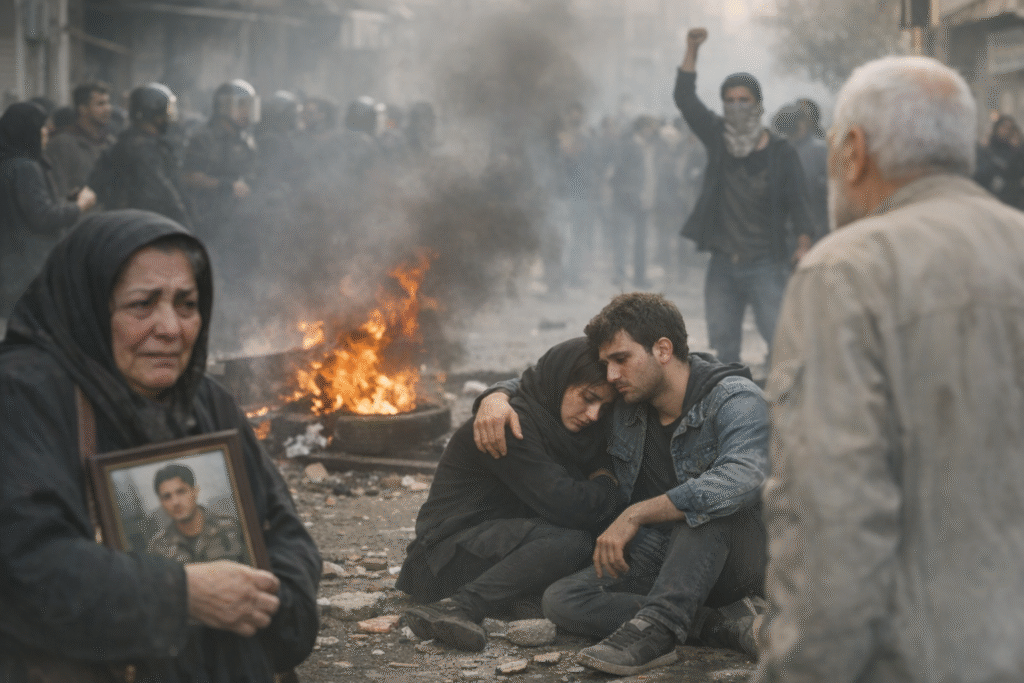
In a recent exploration of a pivotal historical moment, The Wall Street Journal published an article titled “The Final Days of an Iranian Navy Crew Before the U.S. Torpedoed Their Ship,” shedding new light on the human stories behind a significant military confrontation between the United States and Iran. The piece delves into the lives of those aboard the ill-fated Iranian vessel during a time of intense geopolitical tension.
In April 1988, the United States and Iran were embroiled in escalating hostilities amidst the broader backdrop of the Iran-Iraq War. The U.S. Navy’s Operation Praying Mantis was initiated in response to the Iranian mining of international waters in the Persian Gulf, which had damaged an American warship. This operation culminated in the sinking of the Iranian frigate, the Sahand, a dramatic episode that marked a turning point in naval engagements between the two nations.
The article from The Wall Street Journal offers a rare glimpse into the daily lives and personal reflections of the Iranian sailors during the days leading up to this encounter. It captures their struggle to balance duty and personal conviction in the face of mounting threats. Through interviews with crew members and family testimonies, the narrative paints a vivid picture of their camaraderie, anxiety, and hopes as they navigated their dangerous mission.
Such firsthand accounts are crucial in understanding the broader implications of military conflicts, as they humanize the often abstract notions of strategic interests and national security. The sailors aboard the Sahand were acutely aware of their precarious situation, yet they remained steadfast in their commitment to their duties. These personal sacrifices underscore the complexities of loyalty and duty amidst the strategic calculations of state actors.
The sinking of the Sahand remains a point of contention and reflection in the history of U.S.-Iran relations. While it served as a demonstration of American military might, it also highlighted the poignant realities faced by those on the front lines of international conflict. The Wall Street Journal’s piece contributes to the ongoing discourse by reminding us of the individual lives caught in the crossfire of geopolitical strategies.
As tensions continue to simmer in various global hotspots today, revisiting episodes like the Sahand’s final voyage prompts critical reflection on the human cost of military engagements. The lessons drawn from these narratives call for a nuanced approach to diplomacy and conflict resolution, emphasizing the importance of empathy and understanding amidst international rivalries.