“Fashion as Strategy: Trump’s Florsheim Shoe Choice”
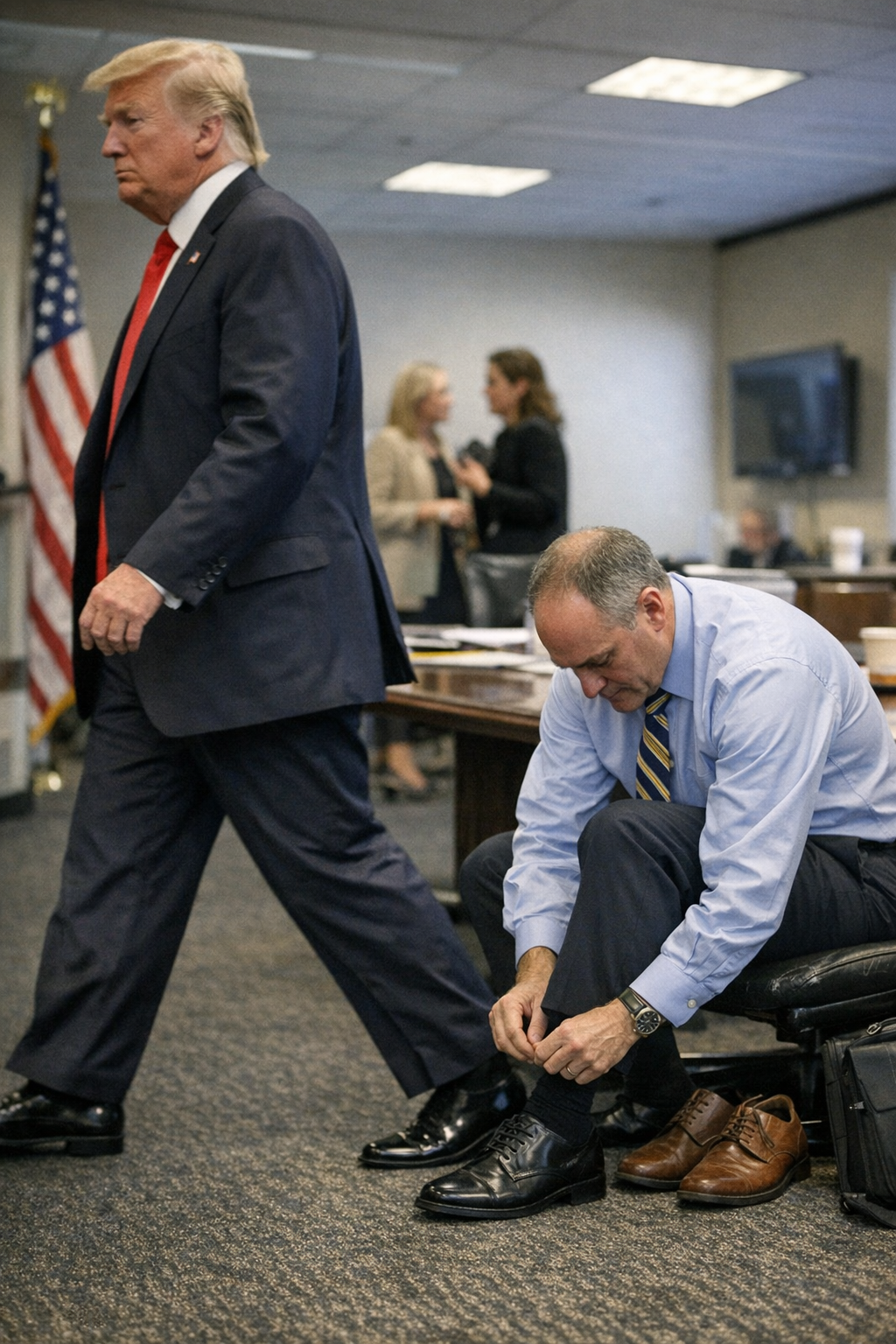
In a striking exploration of the subtle intersections between fashion and politics, The Wall Street Journal recently published an article titled “The Secret Behind Trump’s Shoes—and Why It’s All About Florsheim” that delves into the sartorial choices of former President Donald Trump and their broader implications. The piece serves as a window into how specific fashion choices can reflect and influence political personas.
Central to the discussion is the revelation that Trump’s preference for Florsheim shoes is not merely an aesthetic decision but plays a role in shaping his public image. Florsheim, a brand known for its classic American style and affordability, symbolically aligns with Trump’s appeal to a demographic rooted in traditional values and middle-class aspirations. The choice of footwear subtly reinforces his narrative of being in touch with the everyman, yet thriving in high-stakes environments.
The article further examines how their sartorial choices similarly characterize other notable figures such as Tucker Carlson and J.D. Vance. As political figures often face intense scrutiny concerning their lifestyle decisions, their selected attire becomes a tool of political communication. The Wall Street Journal highlights that these choices are not solely about personal style but are also instrumental in conveying a particular message or political stance to their constituencies.
In the fast-moving world of political imagery, fashion serves as a powerful tool to shape public perception. As the article points out, the integration of traditional shoe brands like Florsheim by political figures is a calculated effort to balance relatability with the projection of authority. This approach both appeals to a specific voter base and establishes a broader resonance by tying into collective cultural references.
Ultimately, the Wall Street Journal article presents a nuanced perspective on the often-overlooked significance of fashion in political strategy. This exploration serves as a reminder of the multitude of factors—from clothing to rhetoric—that politicians must carefully orchestrate to maintain and enhance their public image. As exemplified by Trump and his contemporaries, apparel choices become an integral part of constructing and communicating a political identity, bridging the gap between personal preference and public perception.