Operation Epic Fury: Reflecting on Sacrifices and Strategy
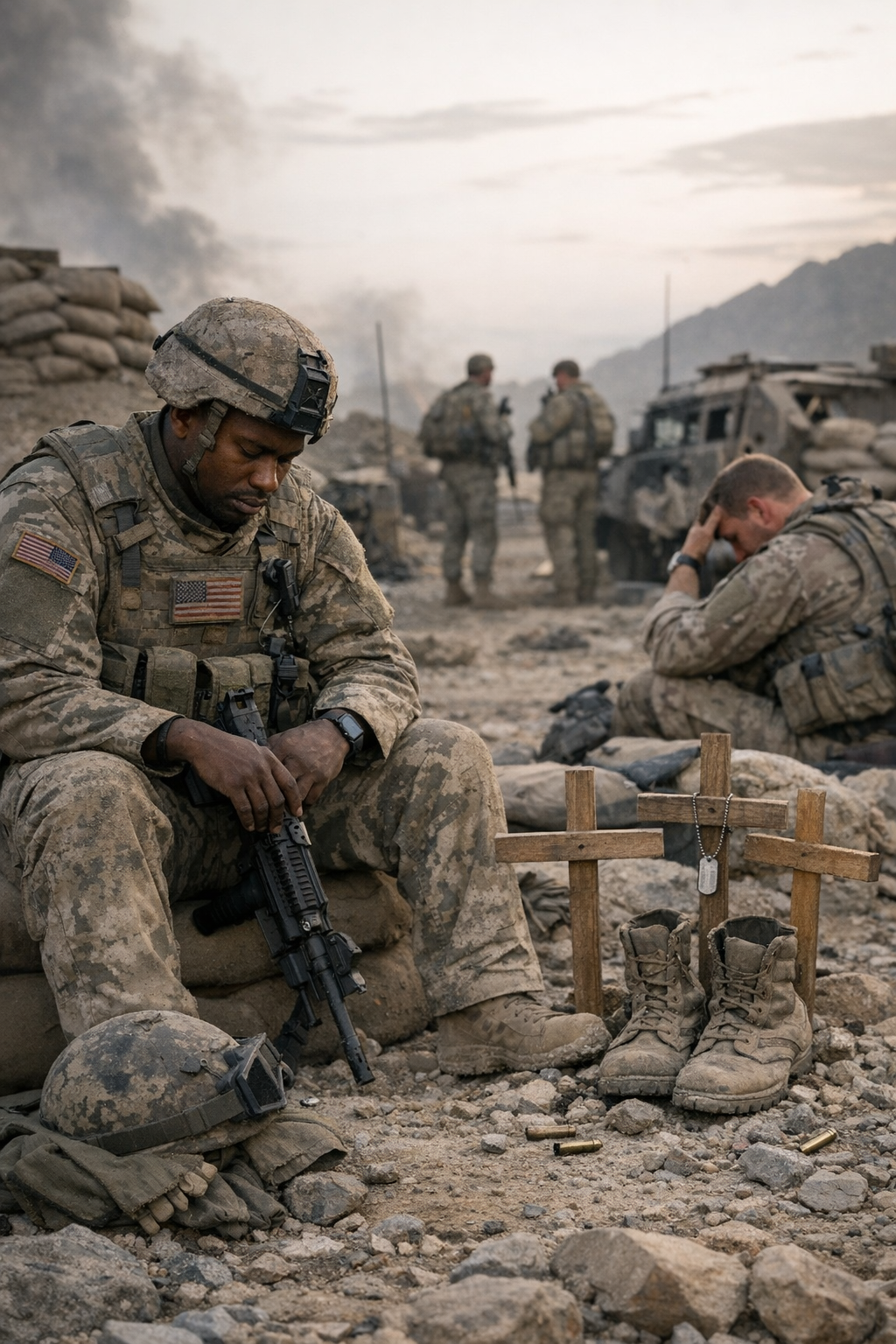
In a somber milestone for the United States military, a seventh American service member has been killed in action during Operation Epic Fury, as reported by the Military Times. This latest casualty underscores the ever-present risks faced by U.S. troops engaged in overseas operations and prompts further reflection on the ongoing mission’s objectives and impact.
Operation Epic Fury, an intensive counter-terrorism initiative, has been at the forefront of U.S. military efforts in the region since its inception. While details of the current mission remain classified, it is known to be aimed at dismantling terrorist networks that threaten regional stability and international security. The mission has reportedly made significant strides toward destabilizing these networks, according to military sources familiar with the operation.
The recent loss of a service member adds to the growing toll of American military personnel who have sacrificed their lives in pursuit of these higher strategic goals. The pace of casualties has inevitably prompted discussions among policymakers and military strategists about the operation’s long-term strategy and sustainability. This is especially pertinent as the U.S. military faces complex geopolitical dynamics and evolving threats that challenge traditional methods of engagement.
Military officials have been consistent in their message that operations like Epic Fury are essential components of a broader strategy to safeguard national security interests. However, they also acknowledge the sobering reality that such efforts come with high costs. The loss of American lives, while tragic, has been framed by these officials as a necessary sacrifice to ensure the safety and security of both the region and the homeland.
Families and communities of the fallen service members are bearing the immediate brunt of this conflict’s human toll. The military provides supports systems for those affected, but no amount of aid can wholly mitigate the grief and loss felt by those left behind. The latest casualty has renewed calls from veteran support groups for increased resources and assistance for grieving military families.
The unfolding events of Operation Epic Fury continue to have significant implications for U.S. foreign policy and military engagement strategies. As elected officials and military leadership evaluate the operation’s progress, the challenges posed by complex, entwined networks of insurgency and terrorism highlight the need for adaptive strategies that can effectively address both immediate and long-term threats.
As reports from the field unfold, the operation remains a focal point of military and public scrutiny. Ensuring that this sacrifice is not in vain is a challenge that rests on the shoulders of decision-makers tasked with charting the future course of U.S. military involvement abroad. The enduring legacy of Operation Epic Fury will ultimately depend on the delicate balance of achieving tactical success while honoring and remembering the tribulations borne by those who serve.