“US Interceptor Demand Challenges Missile Defense”
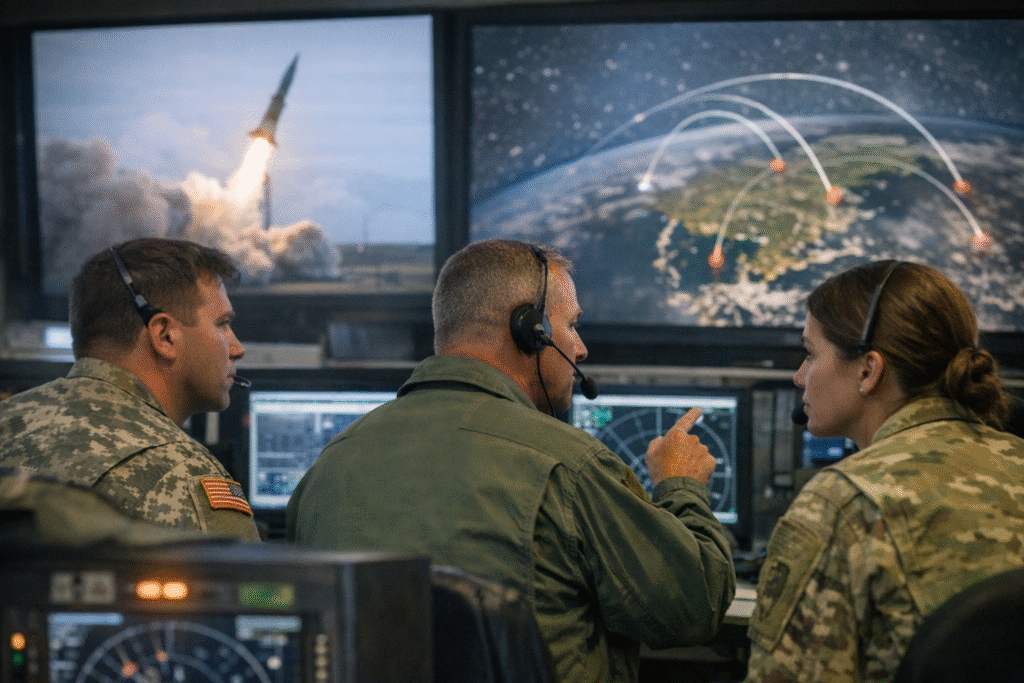
In a sobering examination of America’s defense capabilities, Defense News published an article titled “Race of attrition: US military’s finite interceptor stockpile is being tested,” highlighting the growing concerns over the United States military’s interceptor reserves. As global tensions escalate and the demand for highly sophisticated missile defense systems increases, the U.S. is grappling with a finite inventory that is being stretched thin.
Interceptors are crucial components of modern military defense, designed to neutralize incoming threats, particularly in regions with elevated security risks. The current geopolitical climate, characterized by escalating adversarial postures from nations like North Korea and Iran, has intensified the pressure on the U.S. missile defense infrastructure.
Given this backdrop, the U.S. military’s interceptor stockpile is being challenged by both operational deployment and training requirements. Each test and exercise consumes real interceptors, further depleting the already strained inventories. This has prompted a reevaluation of how these essential resources are allocated and managed.
Compounding the situation is the complexity of producing new interceptors. The manufacturing process for these advanced systems is both time-consuming and expensive, making it difficult for supply to keep pace with the heightened demand. Defense contractors face challenges in scaling up production rapidly, a task made even more complex by the intricate supply chains involved.
The financial implications are significant as well. The cost of replenishing interceptor stockpiles is daunting, requiring substantial investments amid broader defense spending priorities. With the budgetary landscape under constant scrutiny, balancing immediate defense needs with long-term strategic goals is a complicated and politically sensitive endeavor.
The article underscores the critical importance of advancing interceptor technology to stay ahead of evolving threats. Developing next-generation systems that can offer enhanced efficacy and adaptability is crucial. This technological advancement, however, must be matched by strategic policy frameworks that emphasize sustainable stockpile management.
The U.S. military’s challenges with interceptor stockpiles raise broader questions about readiness and resilience. As the country navigates an increasingly unpredictable global environment, ensuring a robust missile defense system remains a top priority. Policy makers are tasked with fortifying this aspect of national security, balancing the immediate concerns of interceptor depletion with the overarching need for modernization and strategic foresight.
In response to these developments, stakeholders are urged to consider coordinated efforts between government agencies and industry leaders to enhance production efficiency and innovation. The goal is to not only replenish stockpiles but also to pioneer advanced defense technologies that can offer a more sustainable path forward.
In reflecting on the issues outlined by Defense News, the U.S. faces a critical juncture in defense strategy. The race to maintain an adequate interceptor stockpile is as much about innovation and supply chain management as it is about funding and strategic planning. The outcome of this challenge will have lasting implications for the United States’ ability to defend against evolving threats in an increasingly complex global landscape.