“US Army Adapts Strategies Inspired by Ukraine Conflict”
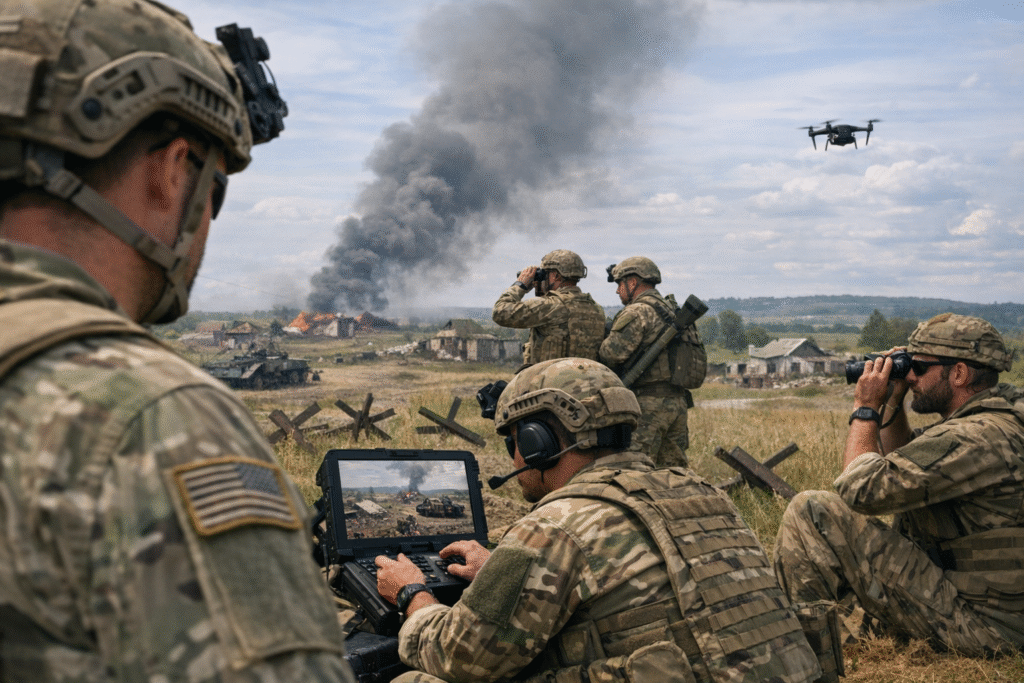
The ongoing conflict in Ukraine has not only dominated global headlines but is also profoundly influencing military strategy, particularly in the realm of armored warfare. As outlined in a compelling piece by the Military Times titled “Ukraine is reshaping the armored battlefield. The US Army is trying to keep up,” the reverberations of Ukraine’s tactical evolution are being felt thousands of miles away in the strategic circles of the United States Army.
Ukraine’s battlefield innovations have underscored the need for rapid adaptation in modern warfare, where traditional heavy armor must be balanced with new technology and tactics. The conflict has revealed the critical importance of integrating advanced technologies with ground units, an area where Ukraine’s military has demonstrated noteworthy ingenuity. By employing a combination of smaller, more mobile units equipped with cutting-edge surveillance and communication technologies, Ukraine has effectively responded to the challenges presented by its adversaries.
This innovative approach has not gone unnoticed by the US Army, which is reevaluating its own armored strategies in light of Ukraine’s successes and challenges. Historically, the US armored doctrine has emphasized the deployment of heavily armored vehicles like tanks, equipped for high-intensity direct engagements. However, Ukraine’s experiences on the battlefield suggest that the future of armored warfare may rely heavily on speed, agility, and enhanced situational awareness.
The US Army, recognizing these shifts, is already taking steps to modernize its forces. This includes not only updating existing vehicles with the latest technological advancements but also diversifying its approach to armored warfare. There is an increasing focus on developing vehicles that can operate effectively in varied combat scenarios, emphasizing interoperability between manned and unmanned systems. Moreover, the ability for real-time data collection and analysis is becoming a cornerstone of future US military operations. This data-driven approach is essential for gaining and maintaining tactical advantages.
Reflecting on the insights from Ukraine’s experience, the US Army must also consider the geopolitical implications of these changes. As armored warfare evolves, the strategic calculus for military engagement and deterrence also shifts, influencing alliances and defense postures globally. The need for international collaboration on defense technologies and strategies is increasingly critical, paving the way for multinational endeavors in military innovation.
The lessons emerging from the conflict in Ukraine serve as a potent reminder of the need for flexibility and foresight in military planning. As the US Army seeks to adapt to these new realities, it must also prepare for unforeseen challenges that come with rapid technological advancements. By integrating the lessons learned from Ukraine, the US military is undertaking what could be seen as a pivotal transformation in its armored warfare strategy, ensuring it remains competitive and prepared for the complexities of future conflicts.