“EU Labels Iran’s IRGC as Terrorist Organization”
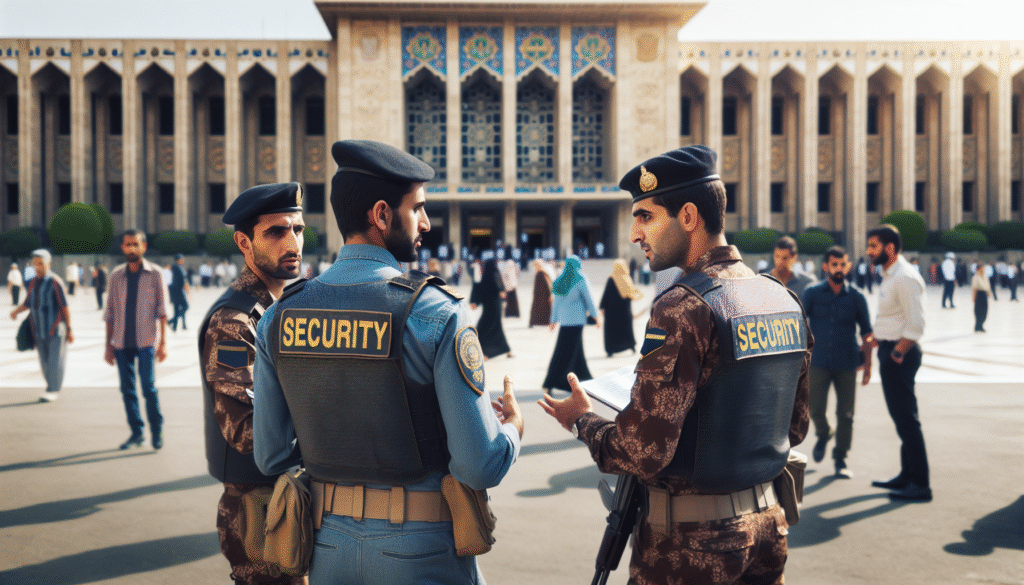
In a landmark decision that could significantly alter diplomatic dynamics in the Middle East and beyond, the European Union has officially designated Iran’s Islamic Revolutionary Guard Corps (IRGC) as a terrorist organization. This move, reported by the Daily Wire under the headline “EU Finally Designates Iran’s Deadly IRGC A Terrorist Organization,” marks a decisive shift in the EU’s approach toward Iran, reflecting growing international concern over the activities of a group seen as a powerful force within Iran and a destabilizing actor in the region.
The decision comes amid escalating tensions between Iran and various global powers, exacerbated by the IRGC’s expansive influence and alleged involvement in regional conflicts and acts of violence. The designation is expected to have far-reaching implications for EU-Iran relations, potentially affecting diplomatic negotiations, economic ties, and security policies.
The IRGC, established in the wake of the 1979 Iranian Revolution to protect the Islamic regime, has grown into a formidable entity, wielding significant economic and military power within Iran. It plays a crucial role in the country’s political structure, with its activities extending beyond national borders, backing proxy militias and engaging in what many international observers deem as acts of terrorism.
The EU’s decision follows years of advocacy from member states and allies, urging a tougher stance against Iran’s foreign policy maneuvers and military ventures, which they claim threaten global security. The United States had already designated the IRGC as a terrorist entity in 2019, setting a precedent that the EU has now decided to follow.
This move is likely to complicate the already fragile state of the 2015 Iran nuclear deal, formally known as the Joint Comprehensive Plan of Action (JCPOA). The agreement, aimed at curbing Iran’s nuclear program, has faced numerous challenges since the U.S. withdrawal under the Trump administration. With renewed EU sanctions and restrictions now expected, Iran’s compliance with the JCPOA terms could become increasingly untenable, potentially sparking further international negotiations or conflicts.
In response to the EU’s decision, Iran’s government has predictably condemned the designation, labeling it a politically motivated maneuver. Iranian leaders argue that the IRGC is an integral part of the nation’s defense strategy, essential for countering perceived threats from hostile nations. They assert that this designation could undermine efforts for peaceful dialogue and increase hostilities in an already volatile geopolitical landscape.
The consequences of this decision will likely reverberate through diplomatic channels, affecting not only EU-Iran relations but also alliances and policies across the Middle East. EU member states must now navigate this complex terrain, balancing the need to confront Iran’s destabilizing activities with the desire to maintain channels for dialogue and negotiation.
This pivotal designation represents a significant test of the EU’s foreign policy strategy, challenging its ability to address security concerns while fostering constructive international relations. As the situation unfolds, the global community watches closely, aware that decisions made in European corridors of power could shape the future of Middle Eastern geopolitics and beyond.