“USAF to Launch Sentinel for Nuclear Modernization”
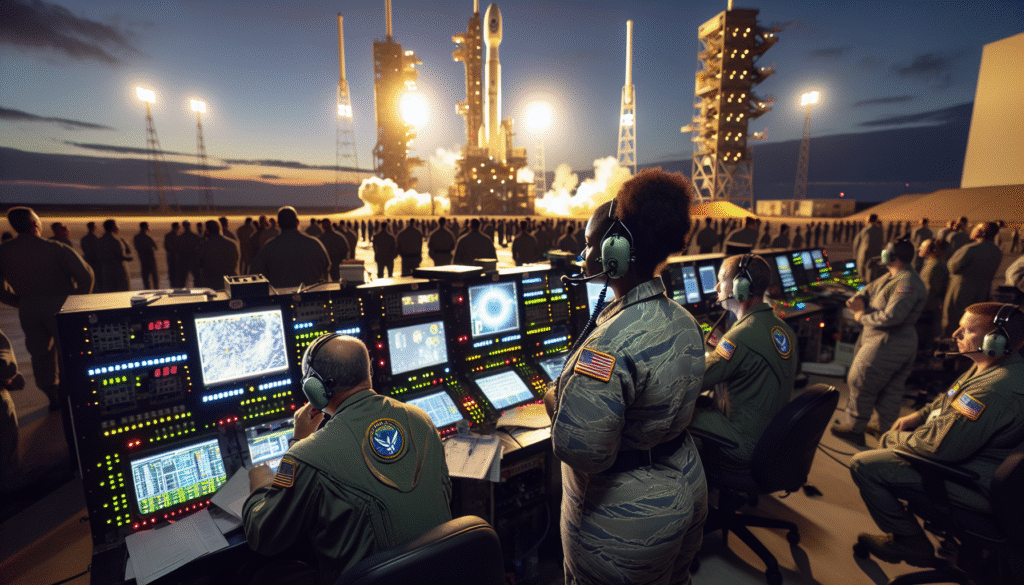
The United States Air Force is preparing for a significant upgrade to its nuclear capabilities with the introduction of the revamped Sentinel nuclear missile system. According to a report titled “US Air Force sees early 2030s rollout for revamped Sentinel nuclear missile” published by Defense News, the rollout is slated for the early 2030s, marking a critical step in modernizing America’s strategic deterrent forces.
The development of the Sentinel missile, formally known as the Ground Based Strategic Deterrent (GBSD), is part of a broader effort to replace the aging Minuteman III intercontinental ballistic missile (ICBM) system, which has been in service since the early 1970s. This modernization initiative is crucial to ensure that the United States maintains a credible and reliable nuclear deterrent in the face of evolving threats and technological advancements by potential adversaries.
The new Sentinel system promises several enhancements over its predecessor. These include improved accuracy, enhanced security features, and greater reliability. The advancements not only address current vulnerabilities but also anticipate future challenges in the rapidly changing geopolitical landscape. These capabilities are designed to deter aggression and assure allies of the United States’ commitment to their security.
The Air Force’s plan involves a comprehensive approach that includes upgrading missile silos and launch control facilities. The modernization effort signals a sustained commitment to maintaining strategic stability while dissuading adversaries from engaging in nuclear escalation. In doing so, the United States aims to preserve global peace and uphold international nuclear non-proliferation norms.
The announcement of the Sentinel’s development aligns with rising concerns about nuclear capabilities worldwide. Nations such as Russia and China are reportedly advancing their own strategic arsenals, which underscores the urgency for the United States to modernize its nuclear forces. This initiative reflects a recognition that maintaining a credible deterrent requires both technological innovation and unwavering readiness.
Funding for the Sentinel program has been secured through bipartisan support in Congress, reflecting a broad political consensus on the importance of modernizing the nuclear triad. Ensuring that the program adheres to its timetable will be critical, as any delays could hinder the United States’ ability to respond effectively to emerging threats.
The push to develop and deploy the Sentinel missile also highlights the broader strategic priorities of the U.S. defense apparatus. In a world where cyber threats, hypersonic weaponry, and advanced missile defense systems are increasingly commonplace, maintaining a robust and reliable nuclear deterrent is deemed essential for national and allied security.
As the early 2030s approach, the U.S. Air Force’s commitment to bringing the Sentinel system online will be closely watched by international allies and potential foes alike. The successful implementation of this program will play a crucial role in reinforcing the safety and security of the United States while contributing to global strategic stability. With the Sentinel, the Air Force seeks to ensure that the nation’s nuclear capabilities remain second to none, well into the future.