NATO Command Reshuffle Redefines Alliance Leadership
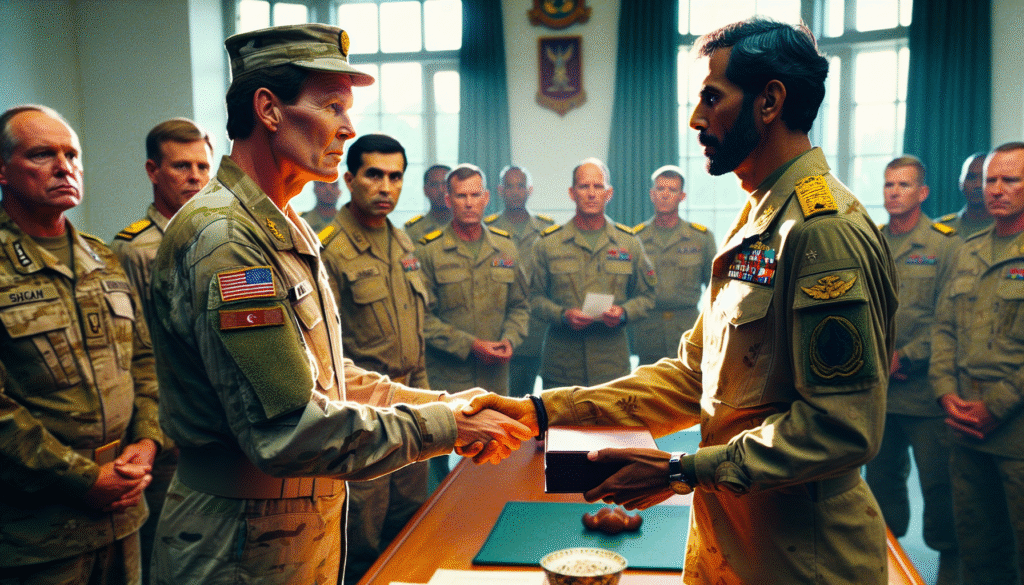
In a significant restructuring of NATO’s command hierarchy, the United States has been replaced at the helm of two high-level warfighting commands, a move that marks a rare shift in the alliance’s long-established leadership dynamics. As reported in the article “NATO shake-up sees US ousted from 2 warfighting-level commands” published by Breaking Defense, the recent decision reflects evolving priorities within NATO member states amid increasing global security pressures.
Under the new arrangement, France and the United Kingdom are assuming command of Allied Joint Force Command Brunssum in the Netherlands and Joint Force Command Norfolk in the United States, respectively. These commands are critical components of NATO’s military structure, tasked with the coordination of large-scale, multi-national operations and strategic force deployments across the alliance. The United States had held leadership positions in both commands since their inception or, in the case of newer commands like Norfolk, from their reactivation.
The shift stems from negotiations among NATO allies ahead of the alliance’s upcoming 2026 Summit and is seen by some analysts as a recalibration of burdensharing and representation across the alliance. While U.S. officials have not publicly expressed discontent, some former defense officials quoted in the Breaking Defense report expressed concern that the changes could dilute U.S. influence in strategic decision-making, particularly as tensions with Russia and China remain high.
European defense sources, meanwhile, have framed the move as a healthy evolution of roles within NATO, allowing other capable allies to bear more responsibility and showcase their strategic leadership. France’s increased role in Allied Joint Force Command Brunssum — a key hub in NATO’s defense plans for eastern Europe — signals reviving French military assertiveness within the alliance. The United Kingdom’s leadership of JFC Norfolk, a trans-Atlantic maritime-focused command headquartered in Virginia, underscores the UK’s continued emphasis on NATO’s naval and logistics capabilities.
The reallocation of command responsibilities was reportedly coordinated with U.S. support, even if reluctantly in certain quarters. U.S. officials insist the U.S. commitment to NATO remains “ironclad,” and emphasize that American forces will continue to play leading operational roles regardless of command billets.
Nonetheless, the move raises questions about the internal balance of power within NATO at a time when alliance cohesion is under increasing stress. With NATO expanding its partnerships and facing sustained security challenges from the east and south, the choice of who holds key military commands carries both symbolic and practical weight.
Analysts suggest that while the United States remains overwhelmingly dominant in terms of military capability, these command changes could subtly shift how influence is exercised within the alliance. NATO commanders, though bound by consensus-based decision-making processes, wield considerable authority in shaping strategy and operations—a factor that partners like France and the UK appear increasingly willing to leverage.
As NATO prepares for its 2026 Summit, the new appointments may serve as a test of whether more distributed leadership strengthens alliance unity and responsiveness or introduces new complexities in NATO’s traditionally U.S.-led military integration. Regardless, the reshuffling marks a notable inflection point, suggesting that the alliance’s internal dynamics are no longer as predictable as they once were.