Air Force Advances Comms and Readiness for Future Wars
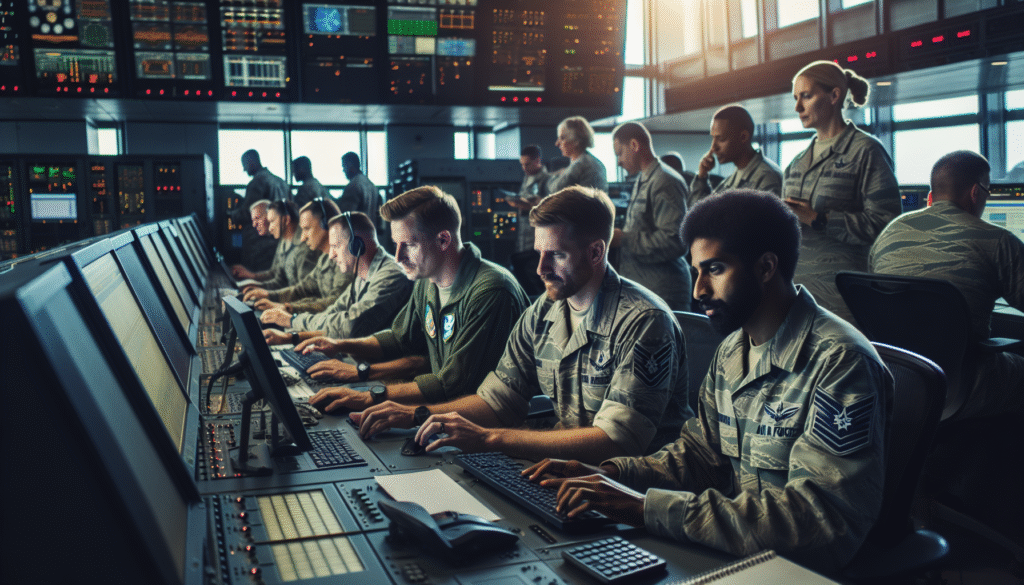
As rapid technological advancements and cyber threats reshape the modern battlespace, the U.S. Air Force is taking decisive steps to fortify communications infrastructure and readiness, senior leaders revealed in a recent episode of “Defense News Weekly.” The full episode, titled “Air Force leaders chart improvements to comms, readiness,” was published by Military Times on February 9, 2026, and offers a comprehensive look into evolving strategic priorities within the service.
Lt. Gen. Robert Skinner, Commander of the Defense Information Systems Agency, and other top officials underscored the urgency of modernizing the force’s communications architecture, citing increasing reliance on satellite and digital networks. As adversaries bolster their own cyber capabilities, the Department of the Air Force is accelerating initiatives to safeguard access to command-and-control systems in contested environments.
According to the report, Air Force leaders are aligning their objectives with the Department of Defense’s Joint All-Domain Command and Control (JADC2) framework, an ambitious effort to connect sensors and operators across all branches of the military. Effective implementation of this vision, they noted, will hinge as much on secure data-sharing protocols as it will on physical hardware upgrades.
One major challenge the Air Force is grappling with, officials said, involves aging infrastructure. Much of the communications equipment currently in use was designed for earlier eras of conflict, unsuitable for the dynamic and dispersed demands of 21st-century warfare. In response, the Air Force has begun investing in cloud-enabled systems and distributed communications platforms that can better withstand potential attacks.
Resilience in the face of cyber threats was a recurring theme throughout the discussion. Leaders emphasized the importance of building secure and adaptive networks that degrade gracefully under attack rather than fail entirely. Notably, they highlighted a shift toward developing communications systems with built-in resiliency, rather than attempting to retrofit protections onto legacy platforms.
Readiness initiatives extend beyond technology. As described in the Military Times segment, the Air Force is also focusing on training its personnel to operate effectively in degraded or denied communications environments. This includes expanding war-gaming exercises and mission rehearsals conducted without the assumption of uninterrupted digital access—skills increasingly relevant for future confrontations against near-peer rivals.
The conversation also touched on recruitment and personnel development as critical components of communications readiness. With cybersecurity and information operations becoming more central to Air Force missions, officials underscored the need for skilled individuals capable of navigating both technical and tactical domains. To this end, the service is revamping career pipelines, offering new pathways for professionals in cyber, IT, and intelligence roles.
Ultimately, the leaders acknowledged that enhancing communications and readiness is not solely a technological endeavor, but a strategic imperative that requires seamless coordination across government, industry, and international partners. As geopolitical competition intensifies and the threat landscape evolves, the Air Force’s institutional agility in adapting its communications capabilities will play a pivotal role in maintaining operational superiority.
The developments discussed in the Military Times’ “Defense News Weekly” episode reflect a broader recognition across the Department of Defense: that in future conflicts, dominance will depend not just on firepower, but on who can communicate faster, more securely, and with greater resilience in the digital domain.