HASC Chair Warns Against Defense Cuts via Reconciliation
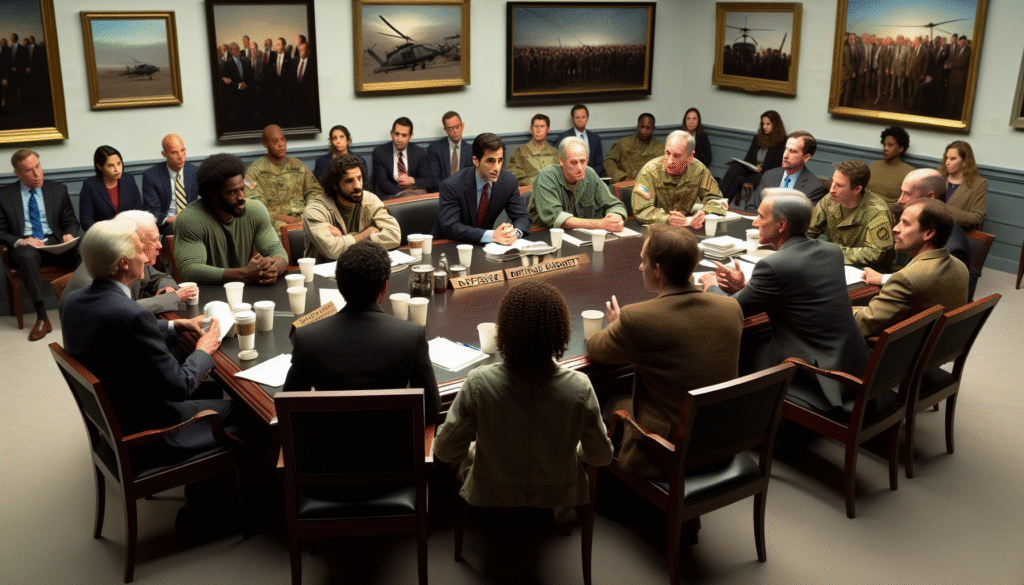
In a candid and forceful statement that could shape a key aspect of Capitol Hill’s defense budget negotiations, House Armed Services Committee (HASC) Chairman Rep. Mike Rogers (R-AL) signaled significant resistance to any push by the White House to reduce national security funding in upcoming budget deliberations. Speaking during a recent event at the American Enterprise Institute, Rogers criticized any attempt by the Biden administration to use budget reconciliation as a means to constrain defense spending, suggesting that such a strategy would be met with strong opposition on the Hill.
According to the article titled “HASC chair says if Biden uses reconciliation to shrink defense budget, ‘we’re going to have a problem,’” published by Breaking Defense, Rogers emphasized that defense funding must remain a bipartisan priority, especially given the rise of global threats such as China and Russia. He warned that if the administration attempts to use the reconciliation process—a legislative maneuver that allows certain budget-related bills to bypass the Senate filibuster and pass with a simple majority—to impose financial constraints on the Department of Defense, the move would exacerbate partisan tensions and stall critical defense appropriations.
Reconciliation has traditionally provided presidents a route to enact major policy changes tied to the federal budget without requiring bipartisan support in the Senate. However, Rogers maintained that using it to effectively trim military funding would isolate defense from other national priorities—all at a time, he argued, when geopolitical realities demand a robust and modernized force.
Rogers’s remarks come as Congress braces for another complex and potentially contentious budget cycle, compounded by broader debates over the national debt, inflation, and competing domestic policy priorities. While the final fiscal year 2026 budget proposal has not yet been released, indications suggest that negotiations will be shaped not only by fiscal pressures but also by deep divisions over America’s global posture.
The Breaking Defense piece underscores how Rogers’s position sets the stage for a broader intragovernmental standoff. With presidential elections nearing and political control of Congress hanging in the balance, defense spending will likely remain a lightning rod issue in the 2026 legislative calendar.
As the HASC chair, Rogers plays a central role in drafting and shepherding the National Defense Authorization Act through the House. His remarks are a clear message to the Biden administration and a signal to colleagues on both sides of the aisle that he is prepared to push back forcefully against what he views as short-sighted cost-cutting measures. Whether this opposition leads to a legislative stalemate or a compromise on America’s defense priorities remains to be seen.