Iran Protests Escalate Amid Outrage Over Woman’s Death
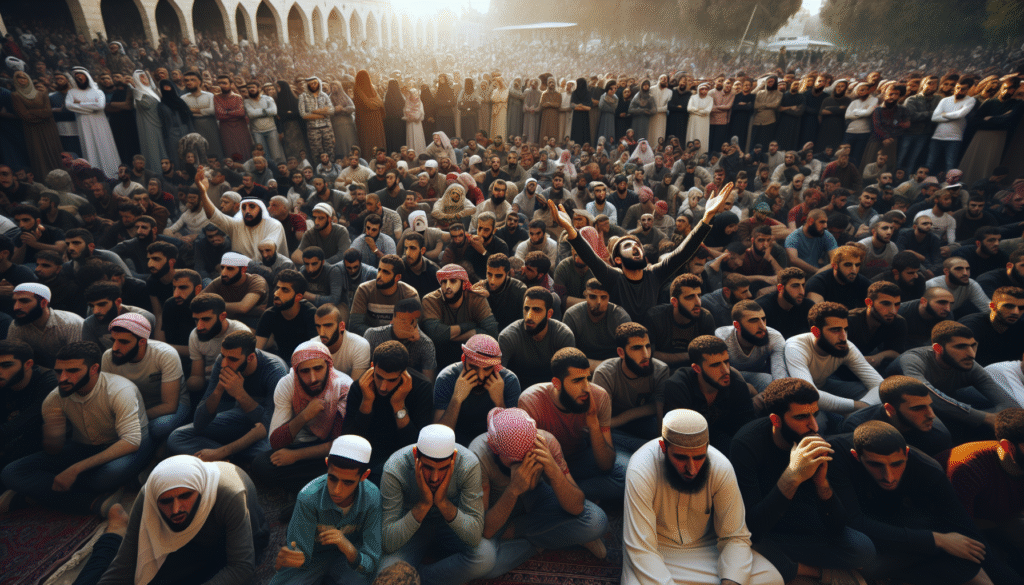
As Iran enters the second week of widespread protests following the death of a young woman in police custody, mounting civil unrest continues to grip the nation. Demonstrations have spread across multiple cities, underscoring growing public frustration with the country’s strict social policies and authoritarian governance.
The protests were sparked by the death of 22-year-old Mahsa Amini, who was arrested by Iran’s morality police for allegedly violating the nation’s conservative dress code. Her death, which occurred three days after her detention, has galvanized thousands of Iranians, particularly women, to challenge the regime’s enforcement of hijab laws and broader systemic oppression.
In a report titled “What To Know About Iran’s Deadly Protests As Uprising Enters A Sixth Day,” published by The Daily Wire, journalist Kassy Akiva outlines the origins and escalation of the turmoil. The article details how dissent rapidly spread from Kurdistan — Amini’s home region — to major urban centers including Tehran, Mashhad, and Isfahan. Videos circulating on social media show protesters setting fire to police vehicles, tearing down posters of Supreme Leader Ayatollah Ali Khamenei, and chanting slogans opposing Islamic clerical rule.
According to human rights organizations, dozens of demonstrators have been killed by security forces, with hundreds more arrested. Officials in Tehran have disputed the death toll, accusing what they call “foreign enemies” of fomenting instability. Nevertheless, internet access has been significantly curtailed, with reports of widespread blackouts across platforms such as WhatsApp and Instagram, indicating the regime’s attempt to stifle both organizing efforts and international scrutiny.
The Iranian government’s heavy-handed response to the protests mirrors past crackdowns, including the 2019 demonstrations over fuel prices, during which hundreds were killed. However, analysts suggest that this current movement represents a broader shift, fueled by female-led acts of civil disobedience and a desperate population increasingly disillusioned with the country’s economic woes and political repression.
International reaction has been swift, with officials in the United States, United Nations, and European Union condemning the Iranian authorities’ use of force. Sanctions targeting Iran’s morality police were announced by Washington in response to Amini’s death. Still, the broader question remains whether international pressure will translate into meaningful change on the ground.
Despite the risks, protesters show few signs of retreating. Calls for greater autonomy, legal reforms, and an end to state-imposed restrictions on women underscore what many view as a pivotal moment in Iran’s contemporary history. The outcome of the unrest may have serious implications not just for Iranian society but for the broader geopolitical dynamics in the region.
As the uprising continues, the global community watches closely — both bearing witness to acts of defiance and tracking the Iranian government’s evolving response to a society inching toward the breaking point.