US Navy Operations Define Global Role in 2025
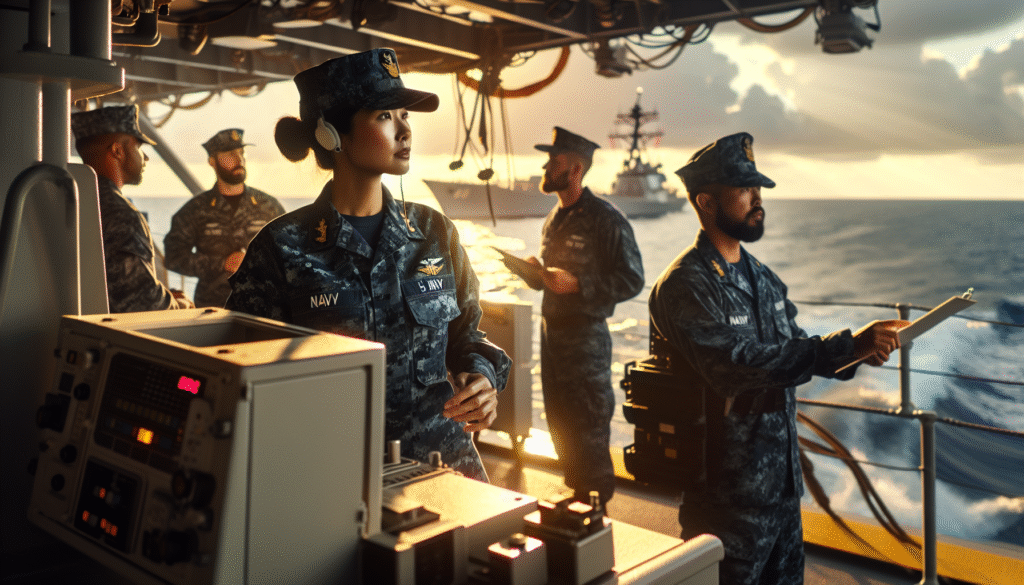
As geopolitical tensions and regional crises intensified over the past year, U.S. naval operations in the Middle East and Southern Command theaters emerged as defining elements of American military engagement abroad in 2025, according to a recent report published by USNI News titled “Top Stories 2025: Operations in the Middle East, U.S. Southern Command.”
In a year marked by strategic recalibration and operational tempo, the U.S. Navy played a central role in containing regional instability, maintaining access to critical sea lanes, and defending commercial shipping from increasingly bold threats by non-state actors. The Middle East remained a persistent flashpoint, particularly in the waters surrounding the Red Sea and the Persian Gulf, where U.S. forces were tasked with safeguarding maritime security amid escalating confrontations involving Iran and Iranian-backed militias.
One key development highlighted by USNI News was the unprecedented operational load placed on Navy assets operating in the U.S. Central Command area of responsibility. In response to a rise in attacks on international shipping by the Iran-aligned Houthi movement in Yemen, the U.S. Navy expanded patrols and deployed advanced air defense systems to safeguard vessels transiting the Bab el-Mandeb Strait and beyond. The attacks—often involving drones, ballistic missiles, and fast-attack craft—required round-the-clock vigilance from U.S. surface combatants such as destroyers and cruisers operating in the region.
The article underscores the significant increase in the scale and intensity of naval operations, noting that ships deployed to the region were forced to extend their missions and postpone returns home as command prioritized continuity and deterrence. This extended presence placed strain on both personnel and platforms, challenging readiness levels and accelerating equipment fatigue.
Across the Atlantic, the U.S. Southern Command faced surging instability in the Caribbean and along the northern coast of South America. Intense political upheaval in Haiti, compounded by widespread criminal violence and fuel shortages, prompted U.S. naval and Coast Guard assets to increase humanitarian support and interdiction operations. At sea, the influx of migrants attempting to reach U.S. shores spurred a multifaceted maritime response, including collaboration with regional partners to stem the flow of irregular migration.
In Venezuela, continued economic collapse and authoritarian consolidation presented security concerns for the United States and its allies. While direct military intervention remained unlikely, naval surveillance and intelligence-gathering flights increased in frequency, offering strategic visibility into developments on the ground.
The USNI News report emphasized the critical role of Navy and Coast Guard operations under these twin regional commands in providing flexibility, presence, and rapid response capabilities. This posture not only served U.S. security interests but also sought to reassure allies and deter adversarial action.
As 2026 begins, the U.S. Navy faces the sobering reality of mounting global commitments demanding a force that is agile, resilient, and sustainable. The operational trends of 2025 underscore a return to sustained forward deployment in contested theaters—a signal that persistent instability in key regions will likely continue to shape the Navy’s strategic priorities well into the future.