ROTC Cadets Join Fight Against AI Deepfake Threats
As the threat of artificial intelligence-enabled deception grows more sophisticated, the Department of Defense is enlisting an unusual ally in its effort to counteract it: Reserve Officers’ Training Corps (ROTC) students. According to a recent article titled “ROTC students are helping the military defend against AI deepfakes,” published by Military Times, cadets across the country are being integrated into the military’s broader initiative to identify, analyze, and combat deepfake technology.
Deepfakes—AI-generated videos, images, or audio that falsify reality—pose a growing risk to national security, with potential applications ranging from misinformation in conflict zones to cyber-enabled influence campaigns targeting public opinion or military operations. Recognizing the urgency, the Pentagon has initiated programs aimed at equipping service members with the skills necessary to detect and respond to such threats.
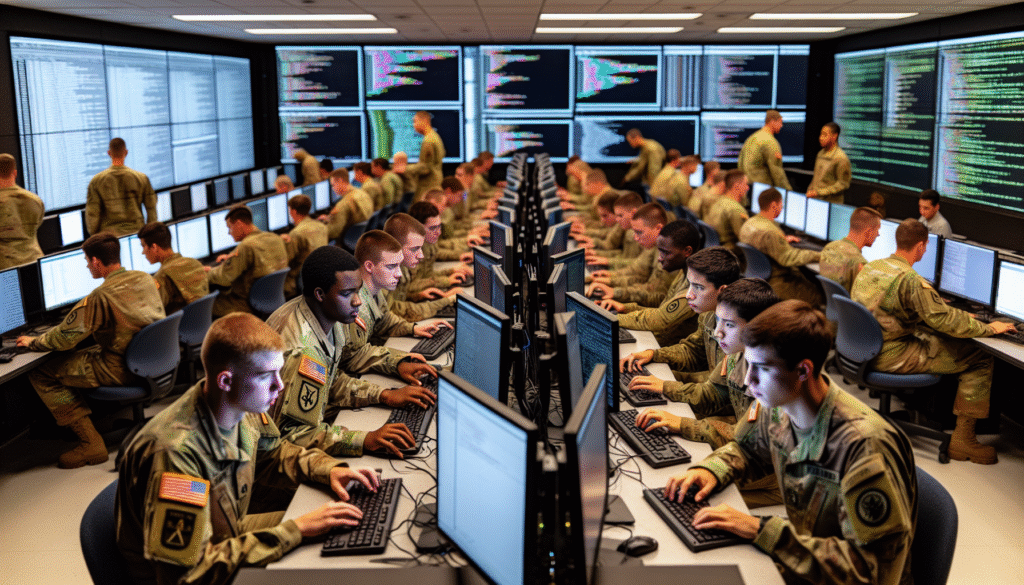
ROTC cadets are now playing a pivotal role in supporting these efforts. Drawing from their academic curricula, which often include coursework in cybersecurity, computer science, and data analytics, students are contributing to research and training programs that help the military develop resilience against synthetic media. Some have participated in specialized internships or research fellowships intended to bridge the gap between civilian technological expertise and military readiness.
The Military Times report highlights specific projects where cadets work alongside DOD personnel and academic researchers, analyzing AI-generated content to improve detection algorithms and assess their real-world implications. These collaborations serve as practical incubators for future officers, providing them with exposure to the technological dimensions of modern warfare, while simultaneously offering defense officials innovative perspectives from emerging generations of leaders.
The integration of ROTC cadets into counter-deepfake initiatives represents a broader trend within the Department of Defense to leverage the civilian education system in addressing complex security challenges. It also reflects a shift in military strategy that places stronger emphasis on cognitive and information domains, alongside traditional kinetic capabilities.
Though still in its early stages, the involvement of ROTC students points to an evolving model of military-academic collaboration that prioritizes agility and innovation. As adversaries make increasing use of AI to manipulate information environments, the military’s efforts to build technological fluency across its ranks—starting with its future officers—may prove critical to maintaining strategic advantage in a rapidly changing information landscape.