Georgia Lawmaker Faces Backlash for Anti-US Remarks
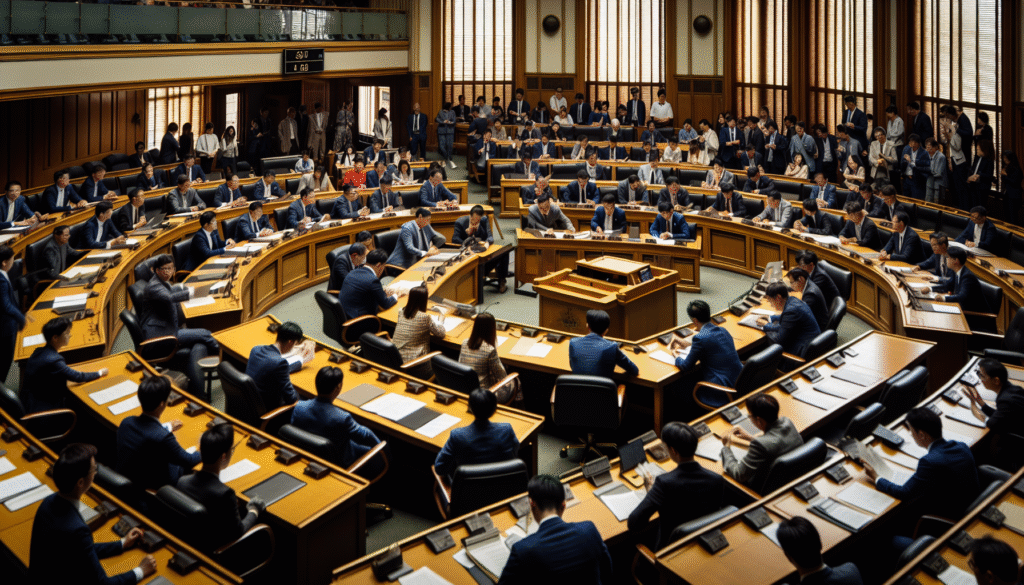
A Georgia state lawmaker is facing mounting criticism following remarks made on social media in which she referred to the United States as the “number one bully” in the world and “the greatest satan.” The comments, which appeared on Rep. Mesha Mainor’s public Twitter account, have drawn condemnation from political opponents and sparked debate over patriotic expression and the limits of political critique in public office.
According to an article titled “Georgia Democrat Refers To United States As ‘World’s Number One Bully,’ ‘The Great Satan’” published by The Daily Wire, Mainor made the statements in a recent post commentating on U.S. foreign policy. In the now-widely circulated tweet, she asserted, “The United States is the greatest satan. We’re the number one global bully.” Mainor went on to write that the country “bullies everyone who does not comply with our imperialist demands.”
Though the representative has previously made statements critical of certain domestic policies, this broad characterization of the U.S. as an oppressive global actor has ignited bipartisan concern. Several Georgia lawmakers, both Republican and Democrat, denounced the remarks as inflammatory and inappropriate for an elected official. Critics have argued that while dissent is a fundamental tenet of democratic society, equating American foreign policy with malevolence surpasses the boundaries of constructive discourse.
Mainor has not walked back the comments but has defended them as a challenge to what she describes as unchecked American militarism abroad. On her platform, she emphasized that her intent was to provoke conversation about the nation’s role in international conflicts and its long-standing interventions in foreign nations. She presented her views as a call for greater ethical accountability, not an indictment of American ideals as a whole.
Nonetheless, the reaction has been swift. Many of her critics cite the dangerous potential for such rhetoric to be co-opted by adversarial regimes or extremist groups. Republican state lawmakers have already proposed a formal censure, while some Democratic colleagues have distanced themselves from her remarks, expressing concern over their political implications amid heightened global tensions.
The episode adds to a growing list of controversies surrounding state-level political figures making polarizing statements on international affairs. Analysts point to the increasingly global focus of local and state political discourse, in which foreign policy issues—historically the province of federal legislators—are now regular subjects of debate at the state level.
While Mainor remains unrepentant, she acknowledged that the backlash underscores the emotional charge and political risk inherent in criticizing national conduct. As debates over American influence abroad—and the language used to discuss it—continue to reverberate through political channels, her comments have revived broader questions about the nature of patriotism, dissent, and the responsibilities of those in elected office.